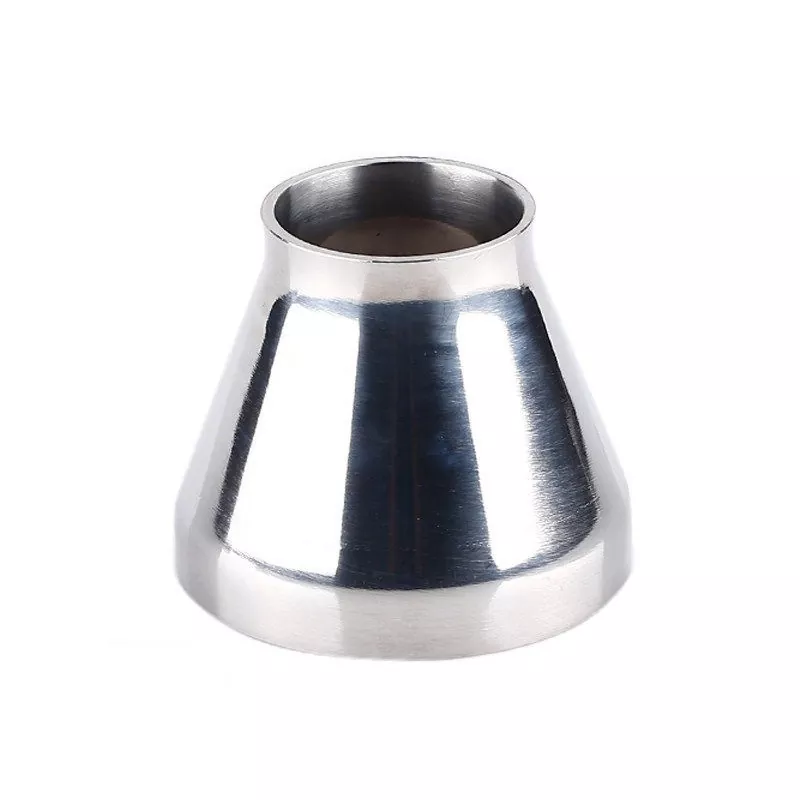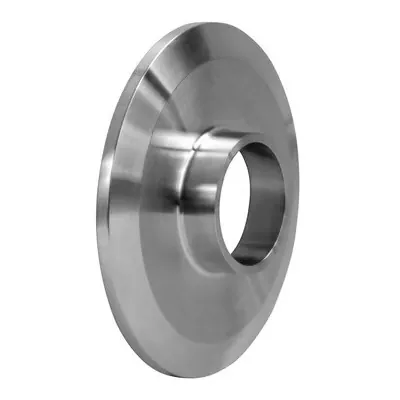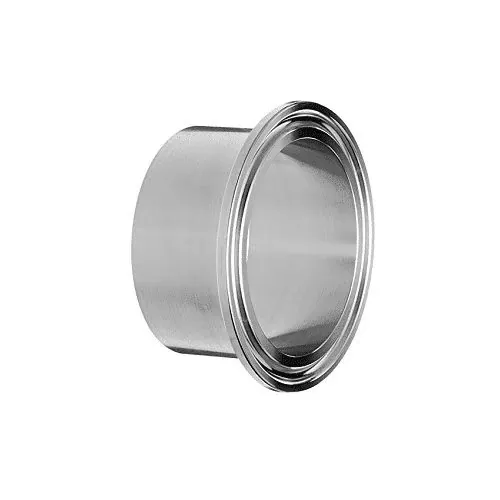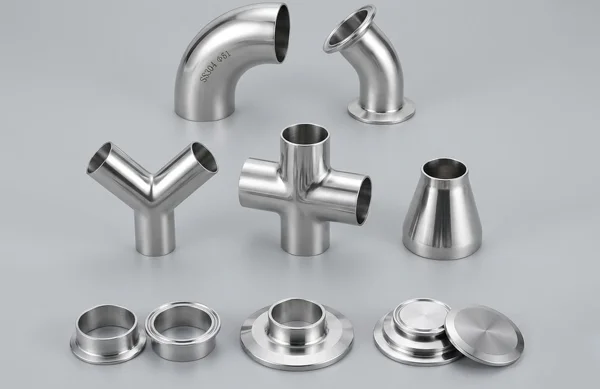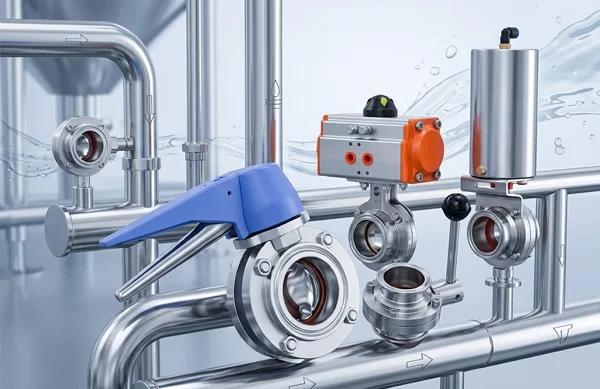
Reliable pipeline connections are essential for maintaining product quality, operational safety, and hygiene in modern food and beverage manufacturing. DINGYUE provides high-quality DIN 11851 Sanitary Stainless Steel Unions designed for hygienic processing systems that require secure connections, convenient disassembly, and dependable sealing performance. Manufactured from AISI 304 and 316L stainless steel, these union fittings are suitable for dairy processing, breweries, pharmaceutical production, beverage filling lines, and other sanitary fluid applications. Understanding their structure, material options, technical specifications, and maintenance requirements helps engineers and purchasing professionals select the right connection solution for long-term operation.
DIN 11851 sanitary unions are detachable stainless steel pipe connections widely used in European hygienic processing systems. Their threaded structure allows pipeline sections to be assembled and disassembled without cutting or welding. This article explains their main components, material and gasket options, technical specifications, industrial applications, installation procedures, and purchasing considerations. It also explores how selecting a qualified manufacturer can improve connection reliability, simplify maintenance, and support hygienic production requirements.
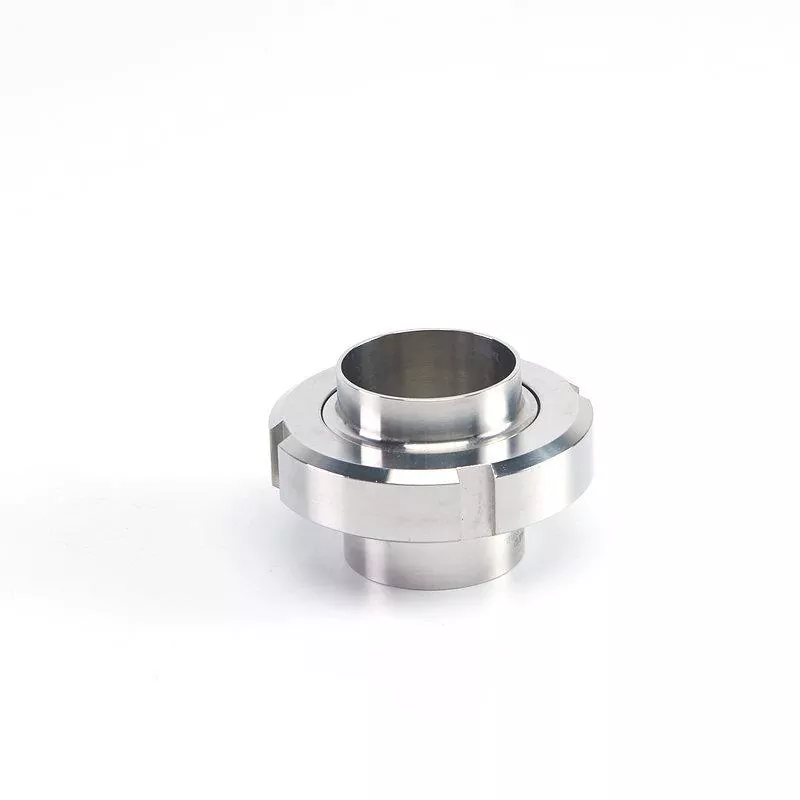
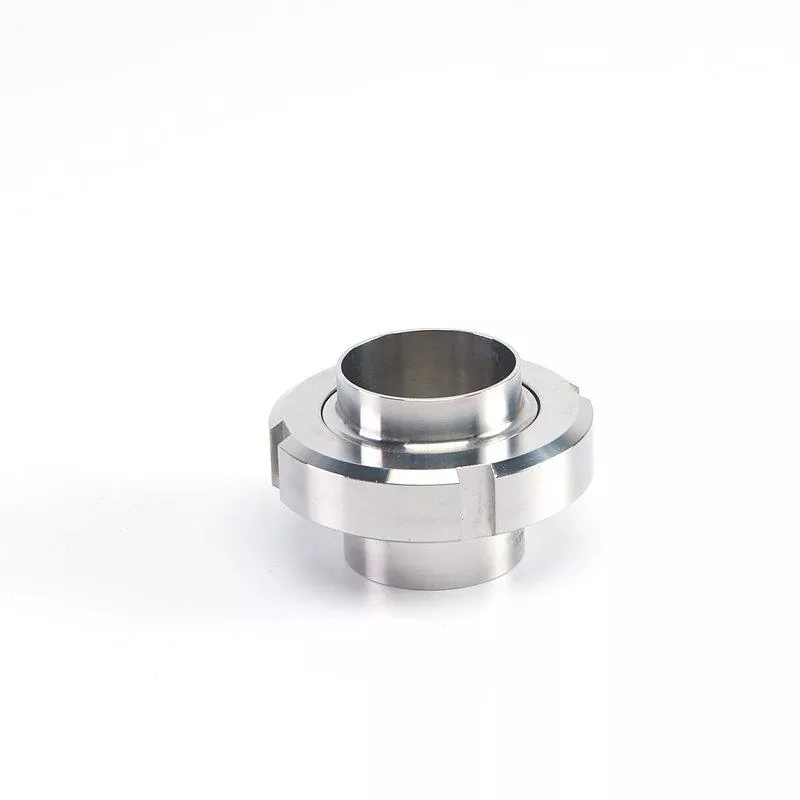
DIN 11851 Sanitary Stainless Steel Unions are detachable pipe fittings designed to connect sections of stainless steel pipelines in hygienic fluid processing environments. Based on the German DIN 11851 standard, these fittings are widely used in European-style sanitary piping installations.
Unlike permanent welded connections, a DIN 11851 union provides a mechanical connection that can be opened when equipment inspection, cleaning, component replacement, or pipeline modification is necessary. This feature makes it particularly useful in production facilities where regular maintenance and hygienic cleaning are essential.
A typical DIN sanitary union uses a threaded connection and a dedicated sealing element to create a secure joint. When properly selected and installed, it helps minimize leakage risks while maintaining a practical connection structure for routine industrial operations.
Common applications include:
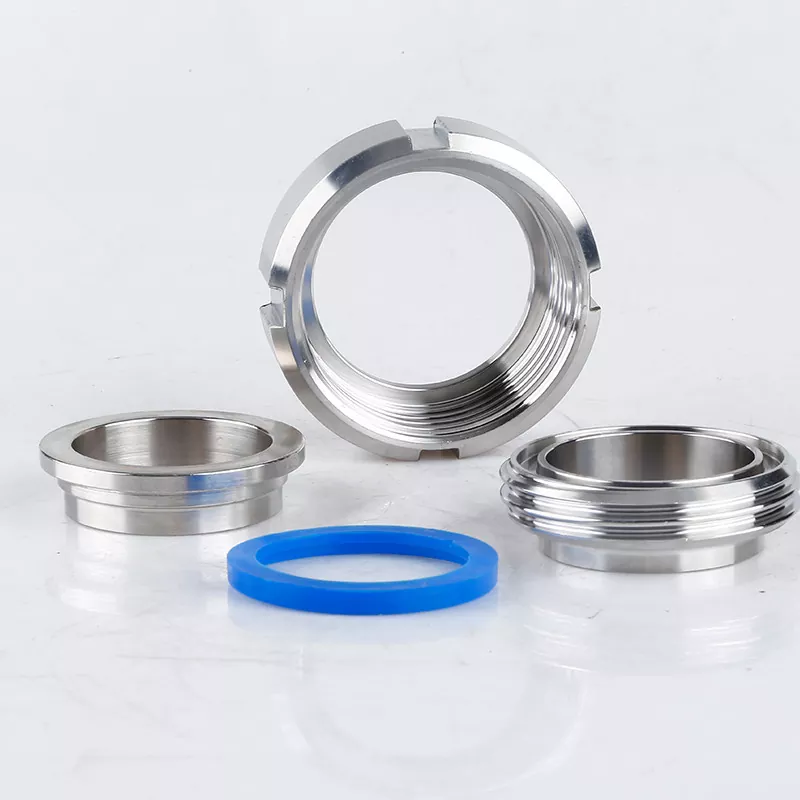
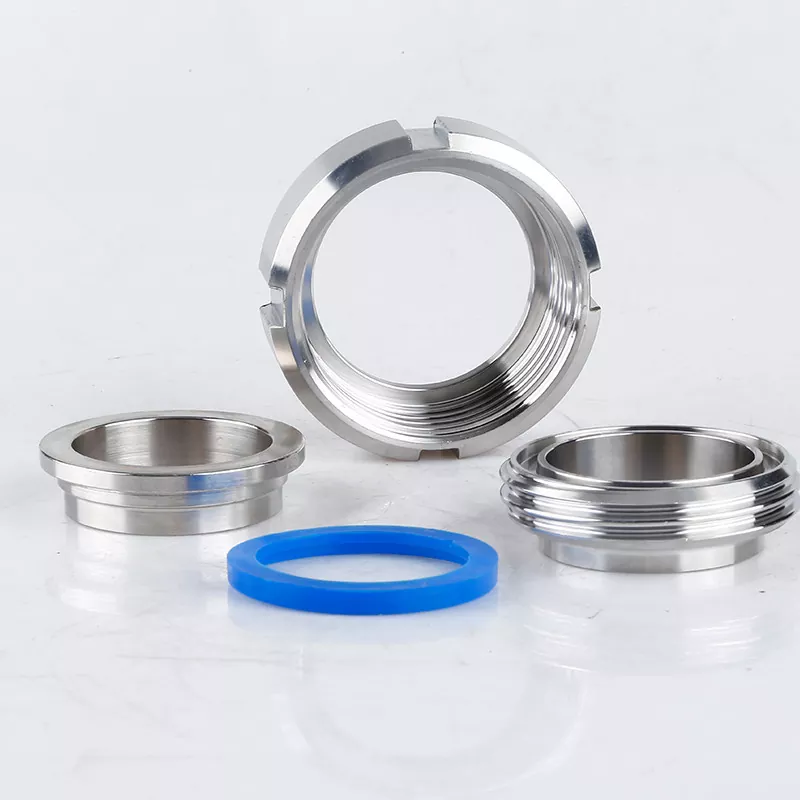
The performance of DIN 11851 sanitary unions depends on the dimensional accuracy and compatibility of their individual components. A complete assembly normally consists of four main parts that work together to provide mechanical stability and effective sealing.
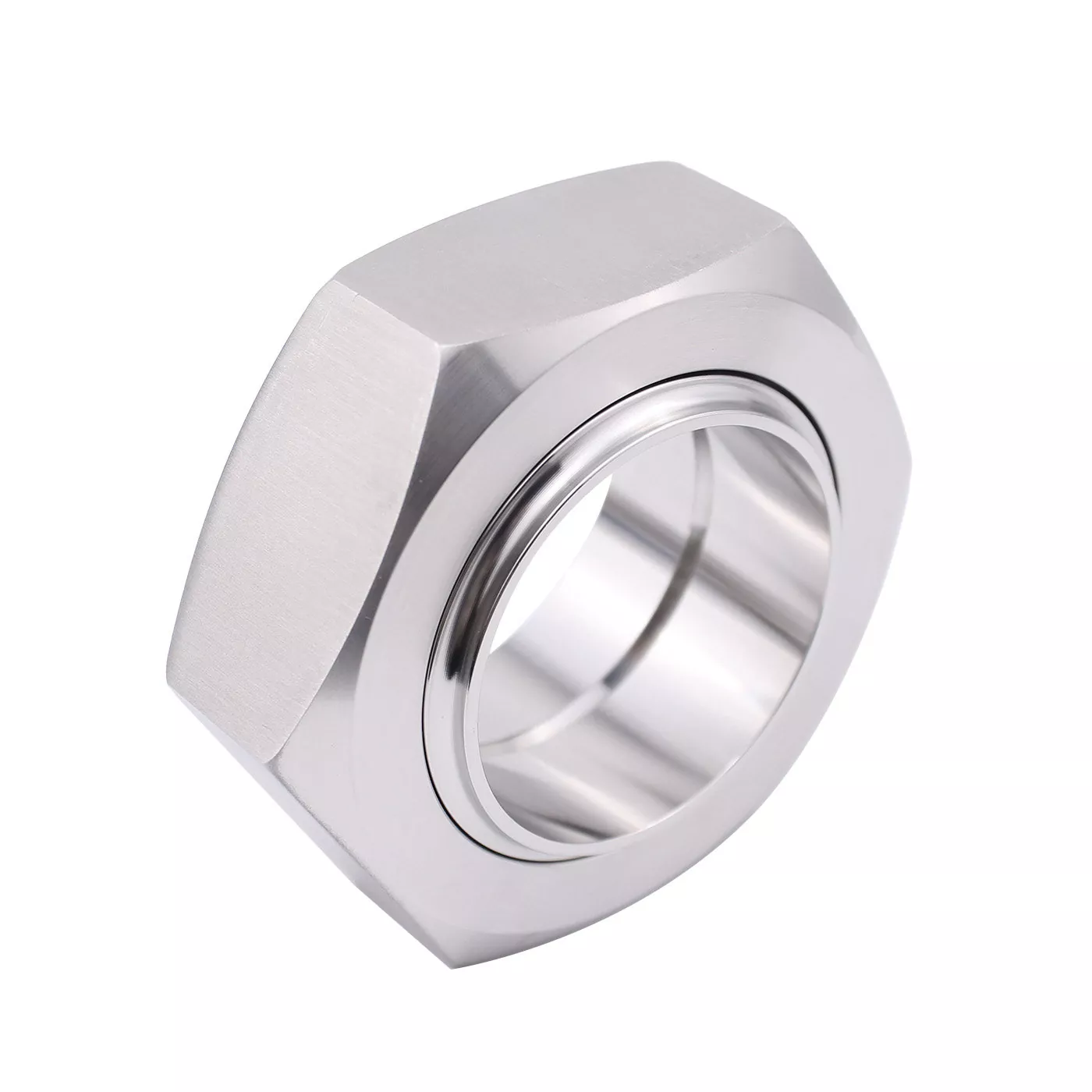
The round slotted nut is the external fastening component. Its slots are designed to engage with a dedicated hook or C-spanner wrench, allowing operators to tighten or loosen the connection during installation and maintenance.
The threaded male component connects with the union nut to secure the assembly. Accurate thread dimensions and machining quality are important for proper engagement and dependable mechanical performance.
The liner provides the mating connection surface within the union assembly. Its dimensional compatibility with the corresponding fitting and gasket helps establish a consistent sealing interface.
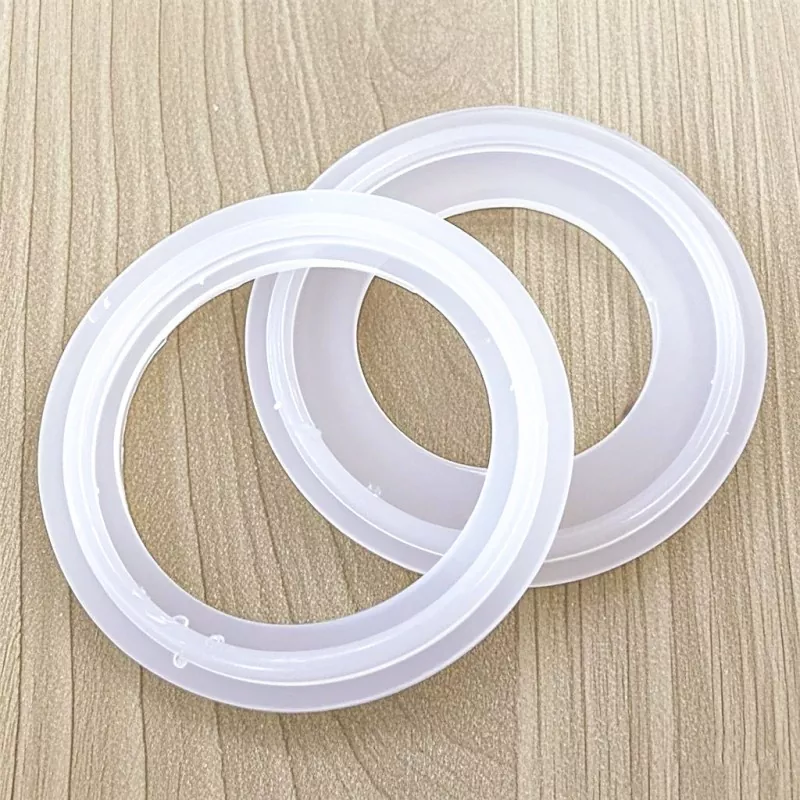
The sealing ring is responsible for reducing the risk of fluid leakage at the connection interface. Depending on process conditions, buyers can select different sealing materials, including EPDM, silicone, FKM, and PTFE.
These components must be compatible with one another. Selecting a complete, correctly matched union assembly is generally preferable to combining components from different suppliers without confirming their dimensions and sealing structures.
Before purchasing DIN 11851 sanitary pipe unions, engineers should evaluate the material grade, nominal size, sealing material, pressure requirements, and applicable documentation. These specifications directly affect connection compatibility and operating reliability.
The following table summarizes the product specifications offered by DINGYUE:
| Parameter | Specification |
|---|---|
| Product Name | DIN 11851 Sanitary Stainless Steel Unions |
| Material Options | AISI 304 / 316L Stainless Steel |
| Dimensional Standard | DIN 11851, Metric Pipe Dimensions |
| Available Size Range | DN10–DN150 |
| Main Components | Round Slotted Nut, Male Threaded Part, Liner, D-Shaped Gasket |
| Gasket Options | EPDM, Silicone, FKM (Viton), PTFE |
| Working Pressure | Up to 40 bar (DN10–DN40); up to 25 bar (DN50–DN100) |
| Documentation | EN 10204 3.1 Material Test Certificate (MTC), PED/CE |
| Typical Applications | Food, Dairy, Beverage, Pharmaceutical, and Process Industries |
Note: The listed pressure ratings are product specifications for the indicated size ranges. Actual allowable operating pressure depends on the complete assembly, temperature, gasket, installation conditions, and applicable project requirements. Confirm the working limits for other sizes and configurations with the manufacturer.
Material selection is an important factor in determining the durability and suitability of sanitary pipe fittings.
For applications involving frequent chemical cleaning, elevated chloride exposure, or more demanding process environments, 316L may be the more appropriate choice. Material selection should always consider the actual fluid composition, cleaning chemicals, temperature, and operating conditions.
The gasket is a critical part of a sanitary union because even a well-machined stainless steel connection can leak if the sealing material is incompatible with the process medium or operating temperature.
DINGYUE offers several gasket options for different industrial requirements:
| Gasket Material | Main Characteristics | Typical Considerations |
|---|---|---|
| EPDM | Good resistance to water, steam, and many cleaning solutions | Commonly considered for dairy and beverage systems |
| Silicone | Flexible and suitable for a range of temperature conditions | Used in selected food and pharmaceutical applications |
| FKM (Viton) | Good resistance to many oils, fuels, and chemicals | Suitable for compatible chemical and process media |
| PTFE | Broad chemical resistance and low friction | Useful for demanding chemical compatibility requirements |
When evaluating gasket materials, buyers should consider the following factors:
PTFE and elastomeric materials do not have identical sealing characteristics. Buyers should verify the specific gasket grade and relevant food-contact requirements instead of assuming that every material option automatically meets every regulatory standard. For reference, applicable documentation may include FDA 21 CFR 177.2600 and EU Regulation 1935/2004, where relevant to the supplied material and intended application.
DIN 11851 sanitary stainless steel unions are used in different industries because they provide detachable connections that simplify equipment access and pipeline maintenance.
Dairy facilities use sanitary fittings in raw milk receiving systems, pasteurization loops, storage tanks, and cheese production equipment. Detachable unions make it easier to inspect pipeline sections and replace sealing components during scheduled maintenance.
Breweries and beverage manufacturers use stainless steel connections in fermentation areas, liquid distribution panels, transfer pipelines, and bottling equipment. Suitable materials and sealing components help support hygienic processing and reliable fluid transfer.
In pharmaceutical and biotechnology environments, equipment compatibility, material traceability, and cleaning procedures are especially important. DIN unions may be used in compatible liquid transfer and process equipment installations, subject to the facility's validated hygienic design requirements.
Cosmetic factories and compatible chemical processing facilities may use DIN union connections for liquid soaps, creams, ingredient transfer, and mixing systems. Choosing suitable stainless steel and gasket materials is essential when working with different chemical formulations.
For equipment manufacturers and processing plant operators, the main advantage is the ability to access pipeline connections without permanently modifying the piping system.
DIN 11851 and 3A sanitary unions are both used in hygienic processing systems, but they follow different dimensional and design conventions. They should not be treated as automatically interchangeable.
| Comparison Factor | DIN 11851 | 3A Sanitary Union |
|---|---|---|
| Standard Origin | European / German standard | American sanitary standard |
| Dimensional System | Metric-based dimensions | Commonly associated with inch-based tubing systems |
| Typical Market | European-style processing equipment | North American hygienic installations |
| Connection Design | Threaded union with dedicated sealing components | Design and connection details depend on the applicable 3A fitting type |
| Replacement Considerations | Requires matching DIN dimensions and components | Requires matching the applicable 3A dimensions and components |
When replacing an existing fitting, engineers should check the nominal pipe size, actual outside diameter, thread specifications, liner dimensions, and gasket profile. A similar-looking fitting may still be incompatible with the original pipeline.
For additional information about alternative connection systems, explore 3A Sanitary Stainless Steel Union Fittings and SMS 1145 Sanitary Stainless Steel Union Sets.
Correct installation is essential for achieving reliable sealing performance and extending the service life of sanitary pipe connections. Improper alignment, excessive tightening, or damaged gaskets can lead to leakage and unnecessary maintenance costs.
For systems that require frequent disassembly, selecting readily available replacement gaskets and maintaining spare union components can reduce unplanned downtime.
Choosing the right DIN 11851 sanitary union requires more than checking the product name or nominal diameter. Procurement teams should evaluate the complete technical requirements to ensure compatibility with the existing pipeline and intended application.
Before requesting a quotation, consider the following purchasing checklist:
DINGYUE specializes in sanitary valves, stainless steel pipe fittings, tank fittings, gaskets, and sanitary pipe unions. Its DIN 11851 product range is designed to serve food, dairy, beverage, pharmaceutical, and other hygienic processing applications.
Key product and supply advantages include:
For industrial buyers, working with a specialized sanitary fitting manufacturer can simplify product selection, improve component compatibility, and support more efficient procurement for OEM projects and maintenance programs.
Learn more about DINGYUE Sanitary Pipe Unions and its broader range of Sanitary Stainless Steel Pipe Fittings.
DIN 11851 unions provide detachable connections between stainless steel pipes and processing equipment. They allow pipeline sections to be disconnected for inspection, cleaning, maintenance, and component replacement without cutting or welding the pipes.
DIN 11851 is a European metric-based sanitary connection standard, while 3A fittings follow American sanitary design requirements. Their dimensions and connection structures differ, so compatibility must be verified before replacement.
Yes. DINGYUE offers AISI 304 and 316L stainless steel options. AISI 304 is suitable for many general hygienic applications, while 316L provides improved resistance to certain corrosive environments.
The listed product range covers DN10 to DN150. Buyers should confirm the required nominal diameter, actual pipe dimensions, and component configuration when placing an order.
There is no single gasket material suitable for every application. EPDM, silicone, FKM, and PTFE have different chemical, thermal, and mechanical characteristics. The correct selection depends on the process medium, temperature, cleaning chemicals, and relevant regulatory requirements.
According to the listed DINGYUE specifications, the working pressure is up to 40 bar for DN10–DN40 and up to 25 bar for DN50–DN100. Actual operating limits should be confirmed for the specific assembly, size, gasket, temperature, and service conditions.
Yes. DINGYUE provides customized sizes, materials, and sealing options according to customer drawings and sanitary pipeline requirements. Buyers can discuss complete union assemblies or individual components for OEM manufacturing and replacement projects.
Ensure proper alignment, use a compatible gasket, keep the mating surfaces clean, and tighten the union nut using suitable tooling. Regularly inspect sealing rings and replace components that show wear, swelling, or deformation.
DIN 11851 Sanitary Stainless Steel Unions remain a practical connection solution for hygienic processing systems that require dependable sealing, convenient maintenance, and flexible pipeline assembly. Selecting the correct stainless steel grade, nominal size, gasket material, and component configuration is essential for achieving reliable performance throughout the service life of the system.
Whether you are upgrading a dairy production line, sourcing fittings for beverage processing equipment, or developing an OEM sanitary pipeline project, DINGYUE offers DIN 11851 union solutions with multiple material and sealing options. Explore our product range and contact us to discuss your technical specifications, request a customized quotation, and find a suitable sanitary stainless steel union solution for your application.