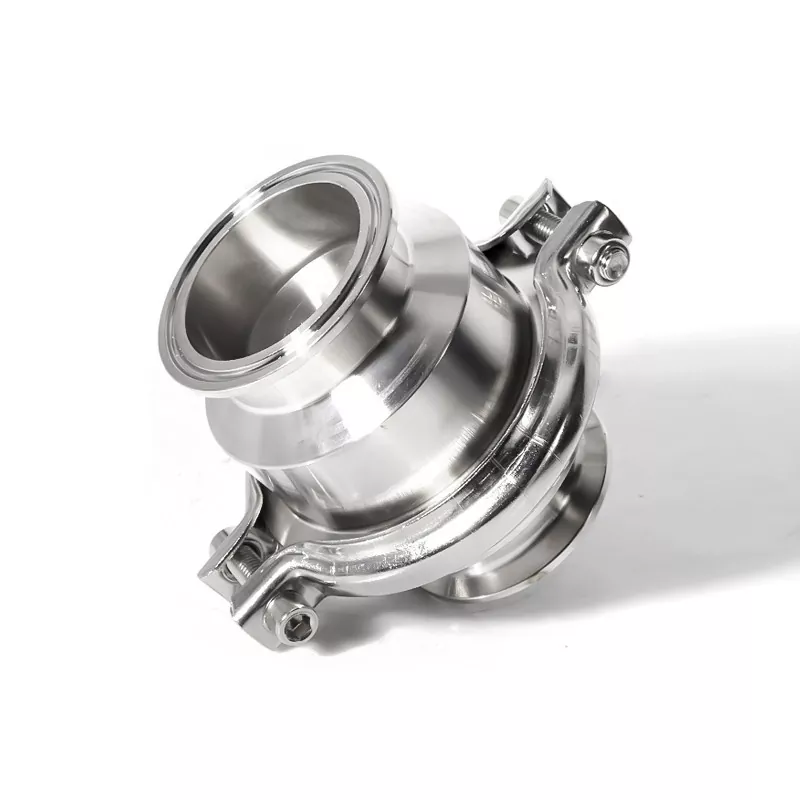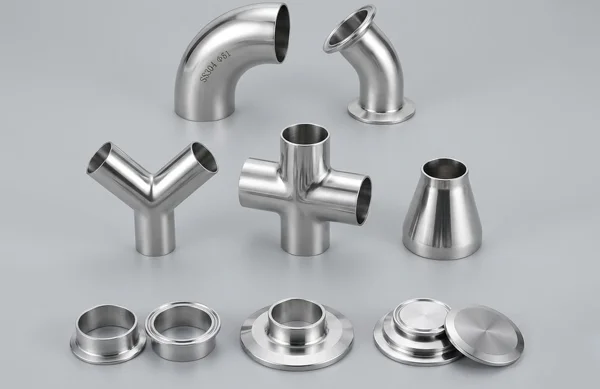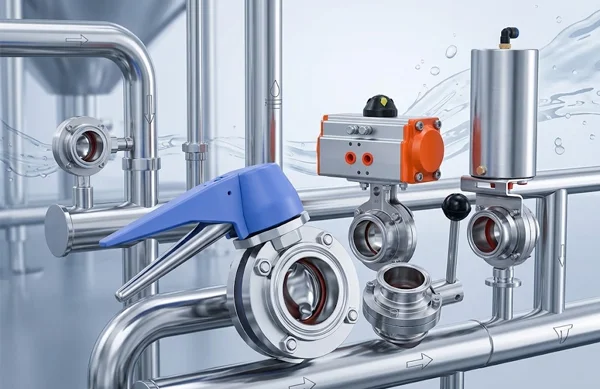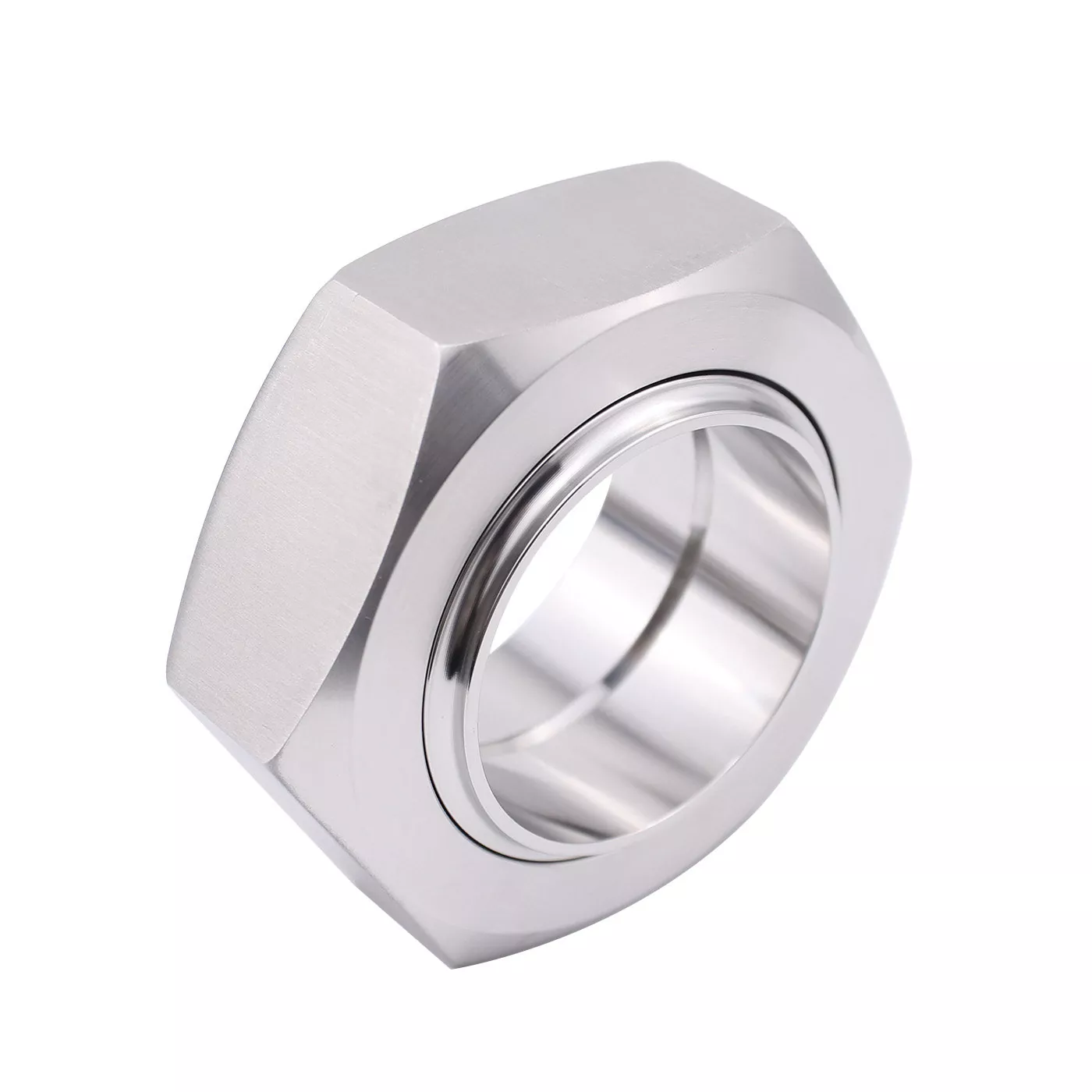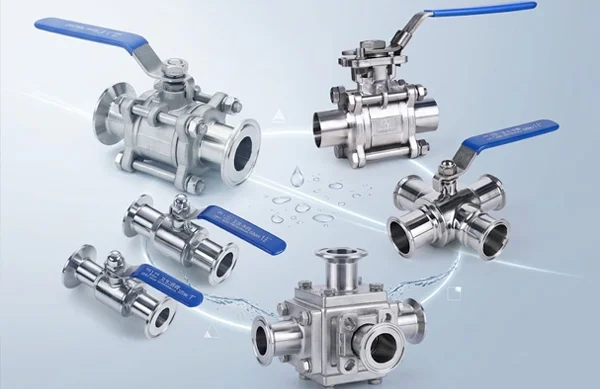
In hygienic processing environments, backflow prevention is not only a matter of operational efficiency but also a critical factor for product safety and contamination control. The Sanitary Check Valve is designed specifically for industries where cleanliness, sterility, and reliable fluid control are non-negotiable. DINGYUE has engineered a complete range of sanitary check valves that meet the demanding requirements of food and beverage, pharmaceutical, biotechnology, and cosmetic production.
Sanitary check valves are one-way valves that allow product flow in a single direction and automatically close when flow stops or reverses. Unlike industrial check valves, sanitary versions feature polished contact surfaces, minimal dead legs, and elastomer or metal seals that comply with FDA and 3A standards. DINGYUE manufactures check valves with spring-loaded, ball, and disc designs to accommodate different viscosities, particle loads, and line pressures. The closing mechanism reacts quickly to pressure changes, reducing water hammer and protecting upstream equipment from contamination caused by backflow. The internal geometry is smooth and self-draining, which is essential for clean-in-place (CIP) and sterilize-in-place (SIP) systems.
Choosing DINGYUE as your sanitary check valve supplier provides several distinct advantages. The company has over two decades of experience in fluid handling components and maintains a global distribution network. DINGYUE invests in advanced CNC machining centers, automated polishing equipment, and in-house testing facilities to ensure consistent quality across large production runs. All products are stocked in key distribution hubs, enabling fast delivery and responsive technical support. Engineers at DINGYUE provide application-specific sizing assistance, material compatibility guidance, and after-sales service. The combination of proven design, certified materials, and strict quality control makes DINGYUE a reliable partner for hygienic processing operations.
What is a Check Valve used for?
It is used to prevent reverse flow in hygienic pipelines. It opens when the product flows in the intended direction and closes automatically when flow stops or attempts to reverse. In food, beverage, and pharmaceutical plants, backflow can introduce contaminants from one process line into another. The check valve protects pumps, filters, heat exchangers, and other sensitive equipment from damage and prevents cross-contamination. DINGYUE valves are also used to maintain pressure in distribution loops and to isolate equipment during cleaning cycles.
How do I select the right size and type for my application?
Selecting the correct valve requires evaluating several factors: line size, flow rate, viscosity, operating pressure, temperature, and the presence of solid particles. For low flow rates or vertical upward lines, a spring-loaded disc check valve with a low cracking pressure is usually best. For high viscosity products, a ball check valve or y-pattern check valve may provide better flow characteristics. DINGYUE recommends calculating the minimum and maximum flow velocity in the pipeline. Ideally, the valve should be fully open at normal flow rates to minimize pressure drop. Our engineers can assist with calculations to match the valve to your specific process conditions.
What surface finish is required for pharmaceutical applications?
For pharmaceutical applications, a surface finish of Ra 16 microinch (0.4 μm) or better is generally recommended for product contact surfaces. This finer finish is achieved through electro-polishing, which removes surface peaks and creates a passive chromium oxide layer. The smoother surface reduces the potential for biofilm formation and makes cleaning validation easier.
How should I clean and maintain ?
Valves should be cleaned as part of the overall CIP system. During cleaning cycles, hot cleaning solutions and sanitizers flow through the valve, removing product residue and microorganisms. The valve must be installed so that it can be fully drained after cleaning. For periodic maintenance, shut down the line, relieve pressure, and disassemble the valve by removing the clamp. Inspect the disc, spring, seat, and body for signs of wear, corrosion, or product buildup. Replace elastomer seals every 12 to 24 months, or sooner if there is visible damage. Use only DINGYUE genuine spare parts to maintain hygienic integrity and warranty coverage. After reassembly, perform a pressure test before returning the valve to service.