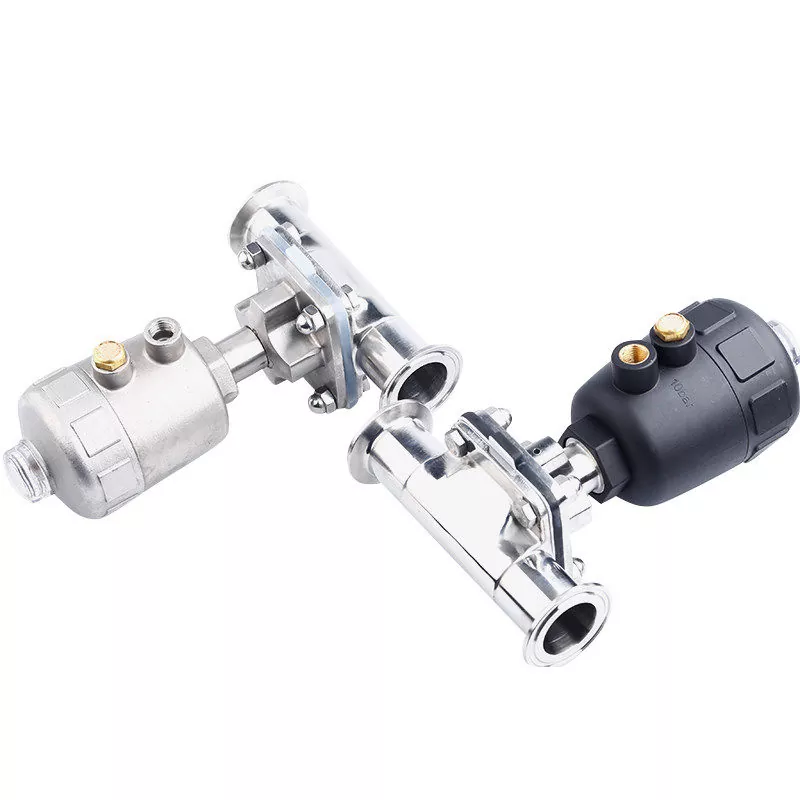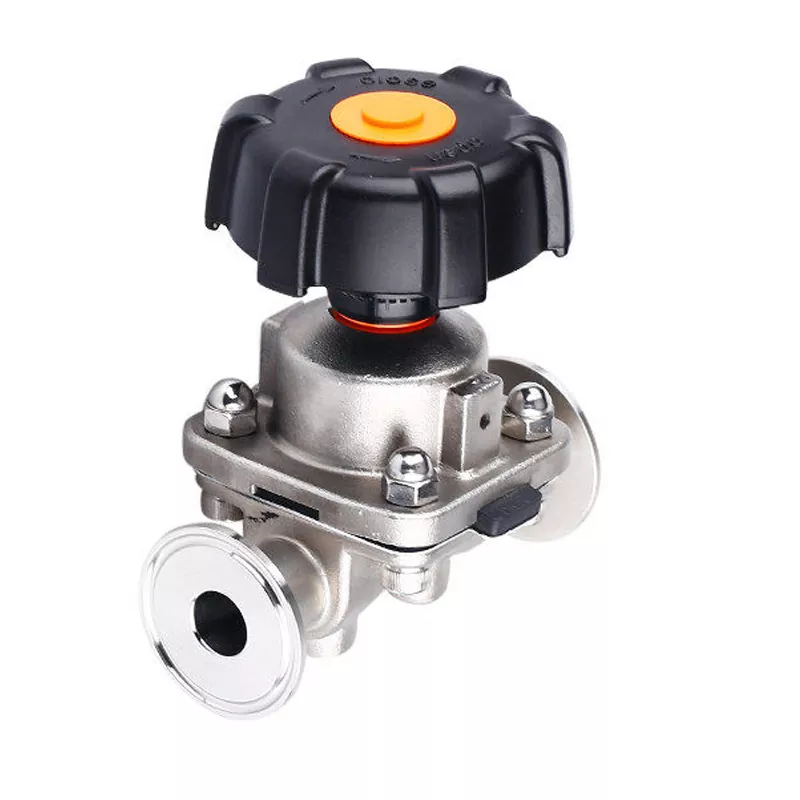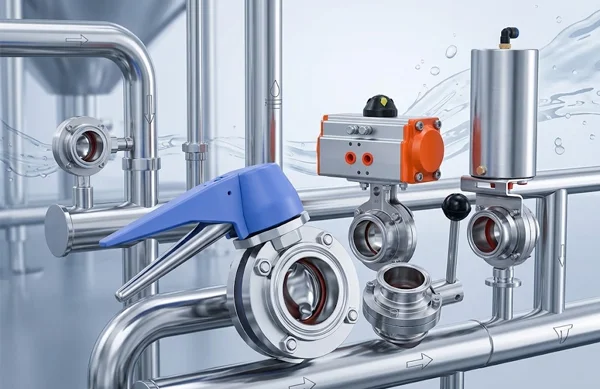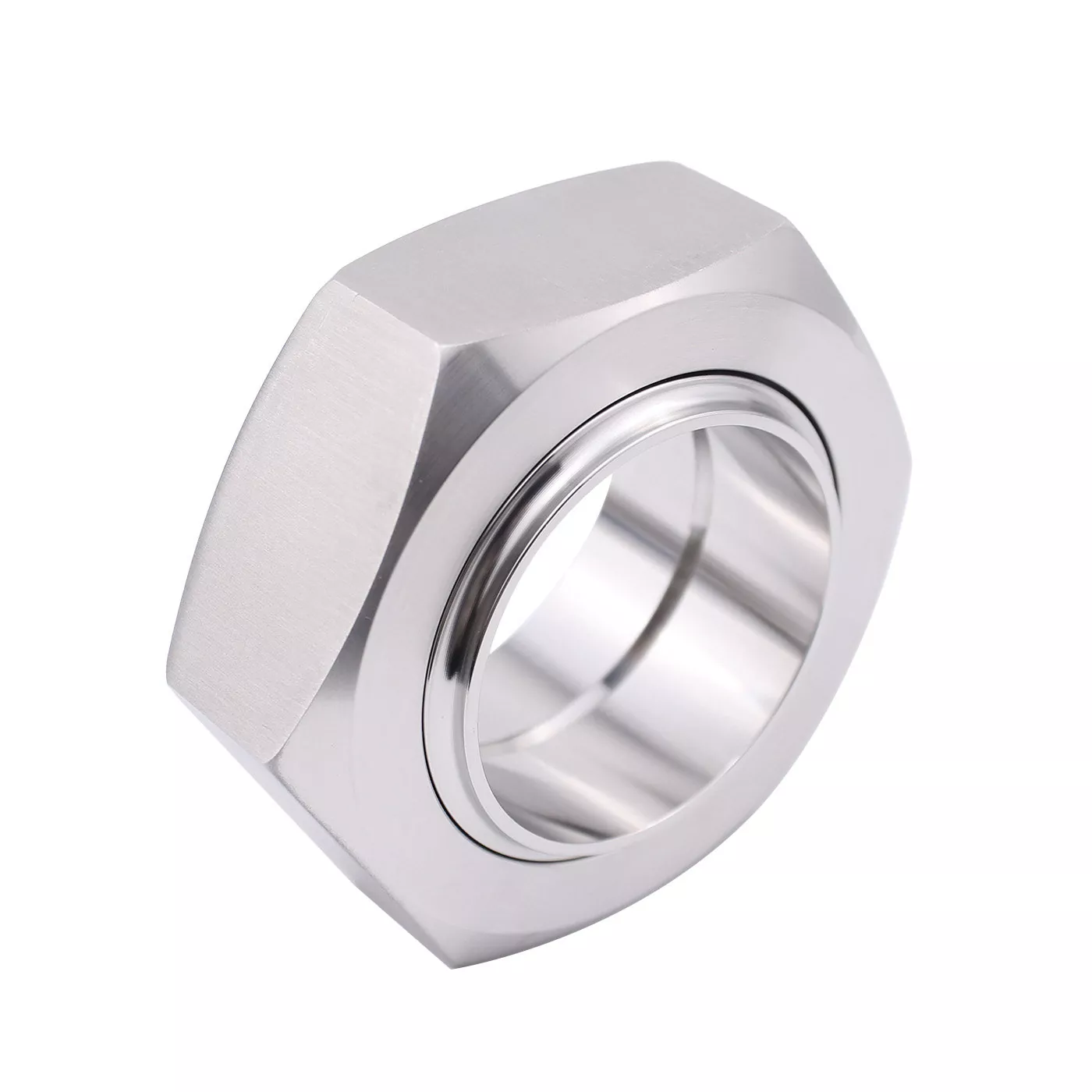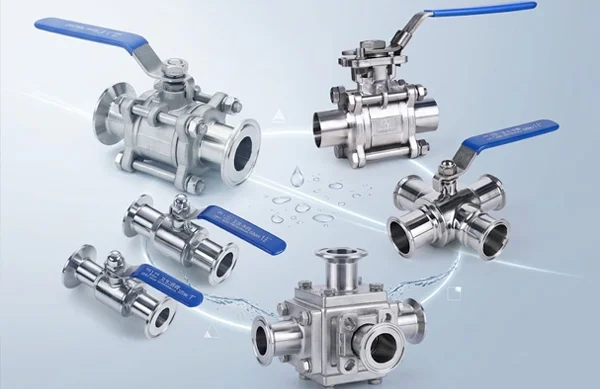
The Hygienic Diaphragm Valve is a specialized flow control device designed for aseptic processing environments where product purity, cleanability, and reliable shut-off are non-negotiable. These valves are widely used in pharmaceutical manufacturing, biotechnology, food and beverage production, dairy processing, cosmetics, and high-purity water systems. Unlike conventional valves, a hygienic diaphragm valve isolates the working mechanism from the process media by using a flexible diaphragm, which means there is no direct contact between the valve stem, bonnet, or actuator and the product flowing through the pipeline. This design significantly reduces the risk of contamination, biofilm formation, and cross-batch carryover.
DINGYUE has spent years refining the hygienic diaphragm valve platform to meet the strictest global standards, including 3-A Sanitary Standards, EHEDG guidelines, FDA 21 CFR Part 177, and USP Class VI requirements. The result is a product line that offers consistent performance, long service life, and full traceability for validation and audit readiness. The valve body is machined from solid stainless steel forgings or bar stock, with no porosity or crevices that could harbor bacteria. Every wetted surface is polished to a mirror-like finish, typically Ra ≤ 0.4 μm or better, and electropolished to enhance corrosion resistance and cleanability.
DINGYUE maintains a clean assembly environment and follows strict component handling procedures to prevent contamination. Valves are double-bagged in polyethylene sleeves and shipped in reinforced cartons with desiccant packs to protect surface finish during transport and storage.
How do I select the correct diaphragm material for my process?
Start by identifying the maximum and minimum operating temperatures, the chemical composition of the process fluid, and the cleaning agents used during CIP. EPDM is the default choice for water, steam, and most food and dairy products. If your process involves solvents, oils, or aggressive chemicals, select PTFE laminated or FKM diaphragms. For high-temperature water above 130°C, silicone or PTFE may be required. Always verify compatibility with a chemical resistance chart and consult DINGYUE technical support if the fluid composition is complex or contains multiple aggressive components.
What surface finish is required for pharmaceutical applications?
For pharmaceutical and biotechnology processes, the wetted surface finish should be Ra ≤ 0.4 μm with electropolishing, and in many cases Ra ≤ 0.25 μm. Electropolishing removes surface iron, enhances the chromium-to-iron ratio, and creates a passive, corrosion-resistant layer. The DINGYUE standard finish of Ra ≤ 0.4 μm is acceptable for most applications, but for water for injection, cell culture, and final formulation lines, we recommend the optional Ra ≤ 0.25 μm finish combined with full electropolishing and passivation.
How often should the diaphragm be replaced?
Diaphragm replacement frequency depends on operating temperature, pressure cycling, chemical exposure, and the number of steam sterilization cycles. Under normal CIP/SIP service, DINGYUE recommends inspection every 6 months and replacement every 12 to 24 months. In continuous high-temperature applications, replacement may be required every 6 to 12 months. Always replace the diaphragm if you observe surface cracks, swelling, loss of flexibility, or if the valve fails a seat leak test. Preventive replacement is always less costly than an unplanned process shutdown due to diaphragm failure.
Does DINGYUE offer customization for special process requirements?
Yes. DINGYUE provides custom valve configurations including special connection dimensions, non-standard body lengths, extended bonnets for insulated piping, tank-bottom mounting, multi-port bodies, and unique actuator control voltages. We also offer engraved identification plates, RFID tags, and custom surface finishes. Our engineering team can work from your P&ID or process specification to develop a valve that fits directly into your existing system without modification. Custom orders typically require 4 to 6 weeks lead time depending on design complexity.
Can the valve be used in a fully automated process control system?
Absolutely. The pneumatic and electric actuators supplied by DINGYUE are compatible with all major PLC and DCS platforms. Pneumatic actuators can be equipped with 24V DC or 110V AC solenoid valves, position sensors, and feedback switches. Electric actuators support 4-20 mA analog positioning, Modbus RTU, and Profibus communication. The valve design allows for continuous modulation if a positioner is added. All control components are mounted in a compact, washdown-rated housing that meets IP66 or IP67 protection.
What is the maximum working pressure?
The standard maximum working pressure is 10 bar at ambient temperature. At elevated temperatures, the pressure rating is reduced according to the diaphragm material limits. For steam service at 135°C, the maximum pressure is 8 bar. For special high-pressure applications, DINGYUE can supply valve bodies and diaphragms rated up to 16 bar. Always refer to the pressure-temperature diagram in the technical data sheet for the specific diaphragm material being used.