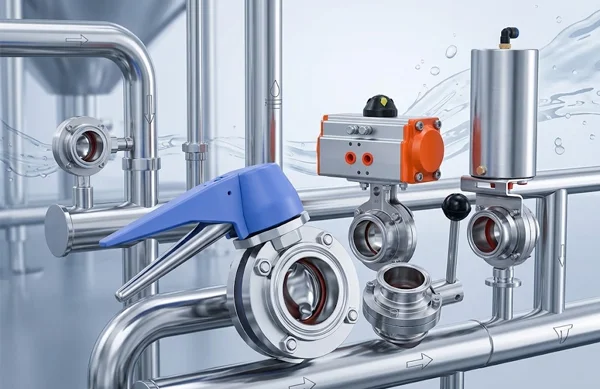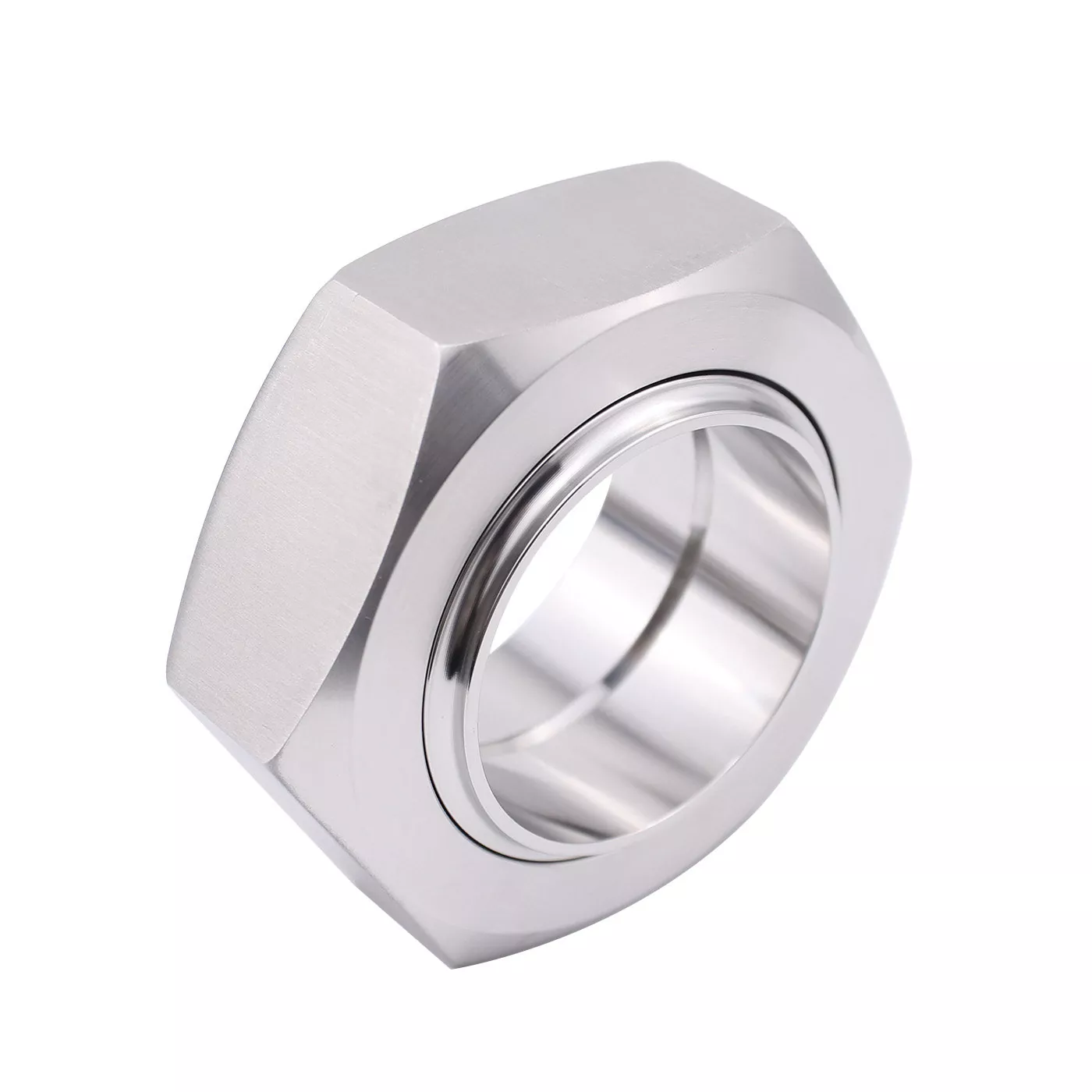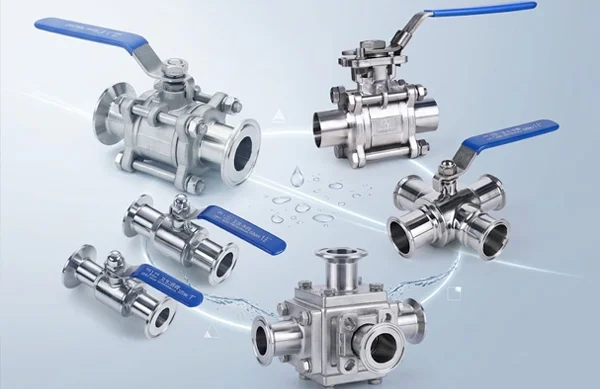
DINGYUE Sanitary Valves are manufactured for hygienic fluid processing systems where cleanability, material compatibility, and reliable flow control are essential. As a professional Sanitary Valve manufacturer and supplier in China, we provide stainless steel sanitary valve solutions for pharmaceutical, food & beverage, dairy, biotechnology, semiconductor, and other high-purity industries.
In sanitary processing systems, valves are not only used to start or stop fluid flow. Their internal structure, surface finish, sealing design, and material selection directly affect product quality, cleaning efficiency, and system reliability.
DINGYUE Sanitary Valves are developed for applications where traditional industrial valves cannot meet hygiene requirements. Manufactured from stainless steel 304/316L with precision-machined flow channels and hygienic surface treatment, our valves help maintain smooth media transfer while reducing areas where product residue or contamination may accumulate.
Unlike standard industrial valves, sanitary valves are designed with considerations such as:
Reduced dead space inside the valve body
Smooth internal surfaces for easier cleaning
Food-grade and pharmaceutical-compatible sealing materials
Compatibility with CIP and SIP cleaning processes
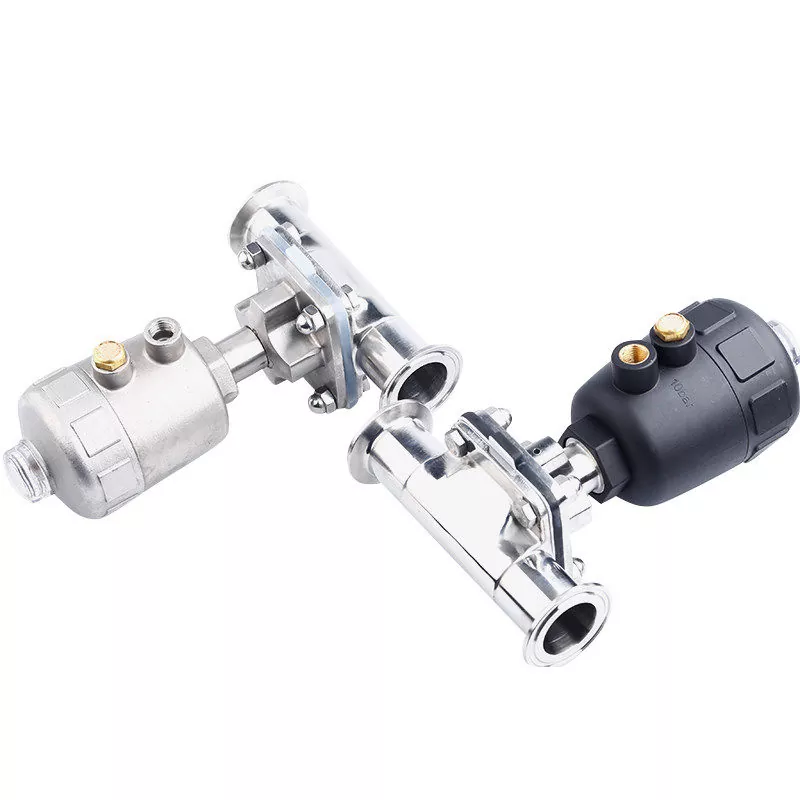
From manual operation to pneumatic automation, DINGYUE supplies sanitary valve configurations according to different process requirements.
Sanitary butterfly valves are commonly selected for pipeline isolation and flow regulation in food, beverage, and pharmaceutical systems.
Their compact structure, lightweight design, and easy maintenance make them suitable for:
Process piping
Storage tanks
Filling systems
CIP pipelines
Available with manual handles or pneumatic actuators for automated process control.
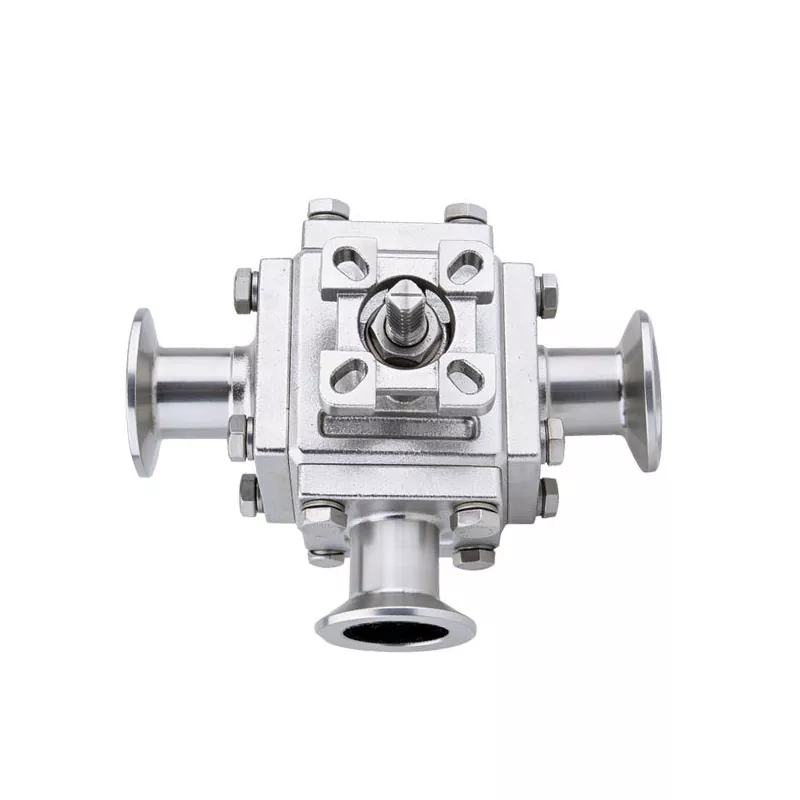
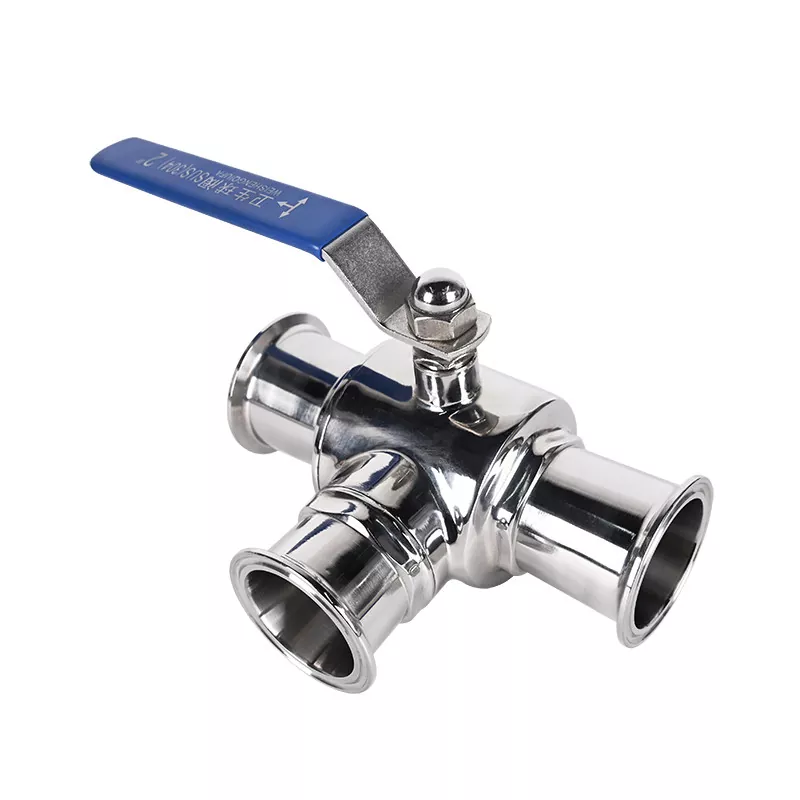
Sanitary ball valves provide full-port flow passages for applications requiring low pressure loss and reliable shut-off.
The smooth internal design helps reduce media retention, making them suitable for:
Liquid transfer systems
Pharmaceutical process lines
High-purity fluid applications
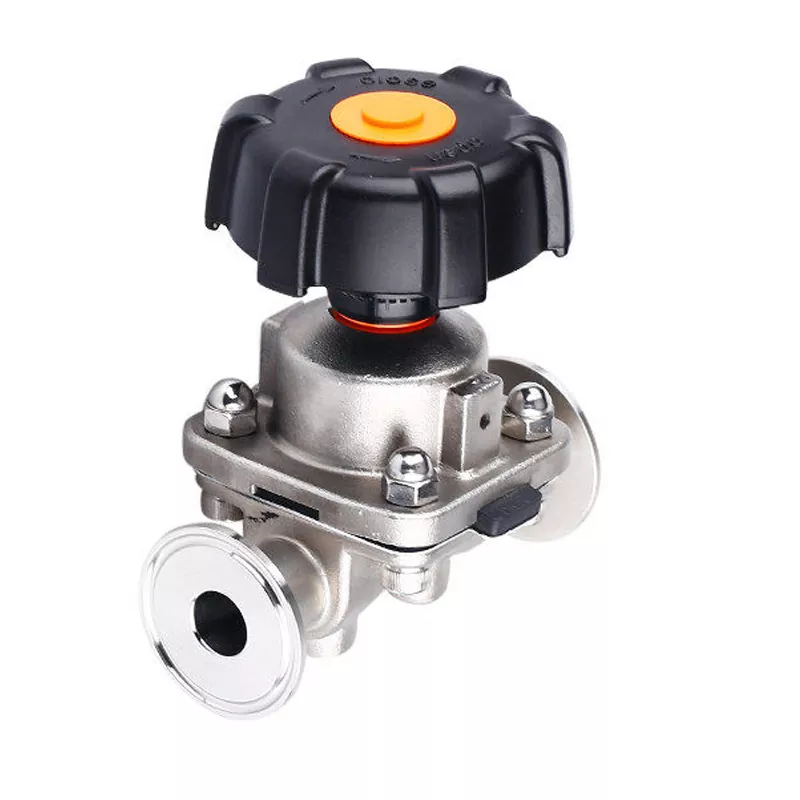
Diaphragm valves are commonly used where product purity and contamination control are critical.
The diaphragm separates the operating mechanism from the process media, making them suitable for:
Biopharmaceutical systems
WFI and purified water loops
Sterile process applications
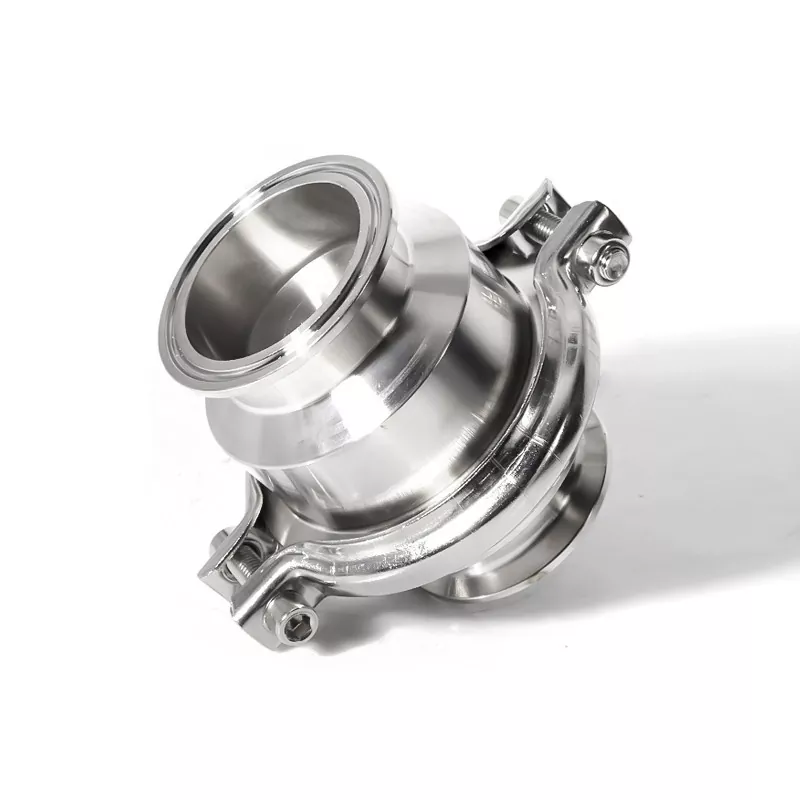
Sanitary check valves prevent reverse flow in hygienic pipelines.
They are commonly installed in:
Pump outlets
Fluid transfer systems
Processing equipment protection lines
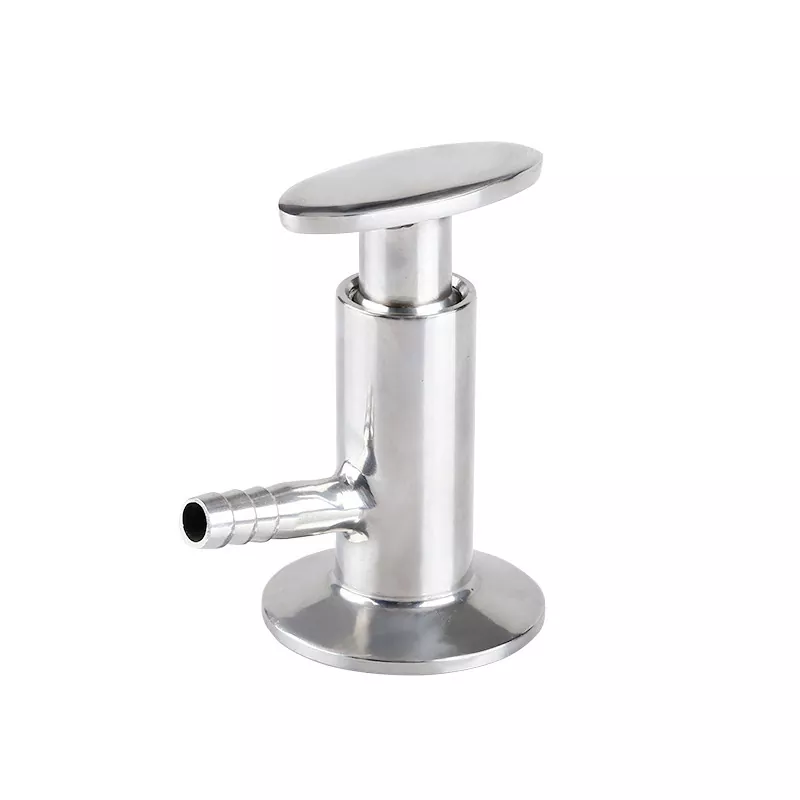
Sample valves allow operators to collect process samples while maintaining hygienic conditions.
They are used for:
Quality inspection
Laboratory testing
Process monitoring
We manufacture sanitary valves with attention to internal geometry, surface finish, and sealing performance.
For industries such as pharmaceutical and food processing, valve design must support cleaning procedures and minimize contamination risks during operation.
DINGYUE supplies sanitary valves in:
304 Stainless Steel
Suitable for general food, beverage, and standard hygienic applications.
316L Stainless Steel
Commonly selected for pharmaceutical, biotechnology, and higher corrosion resistance requirements.
Material selection depends on the process media, cleaning chemicals, temperature, and operating environment.
To match different process systems, we provide:
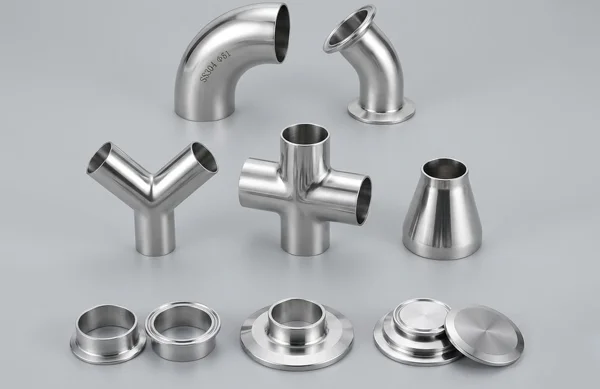
Tri Clamp connection
Weld connection
Threaded connection
Manual operation
Pneumatic actuator
Customized actuator solutions
This allows our sanitary valves to integrate with different piping systems and automation requirements.
| Parameter | Specification |
|---|---|
| Product Range | Sanitary Butterfly Valve, Ball Valve, Diaphragm Valve, Check Valve, Sample Valve |
| Material | Stainless Steel 304 / 316L |
| Connection Options | Tri Clamp, Weld, Threaded, Customized |
| Surface Finish | Hygienic polished surface available |
| Applicable Standards | 3-A, DIN, SMS, ISO sanitary requirements |
| Seal Materials | EPDM, Silicone, FKM, PTFE |
| Operation | Manual, Pneumatic, Automated control |
| Application Temperature | Depends on valve type and sealing material |
| Manufacturing Process | CNC machining, polishing, assembly, pressure testing |
| Documentation | Material Test Report, quality inspection documents available |
Pharmaceutical systems require valves that maintain process cleanliness and material compatibility.
DINGYUE sanitary valves are used in:
Purified water systems
WFI distribution loops
Bioreactor systems
Sterile fluid transfer
Food production lines require reliable valves that can withstand frequent cleaning and production cycles.
Applications include:
Dairy processing
Beverage filling
Brewing systems
Sauce and liquid ingredient transfer
High-purity industries require stable fluid control with strict contamination control.
Sanitary valves are used in:
Chemical delivery systems
Ultra-pure water pipelines
Specialty fluid processing equipment
Modern liquid cooling systems require reliable control components for coolant distribution.
DINGYUE sanitary valve solutions can be applied in:
Coolant distribution units (CDU)
Secondary cooling loops
Liquid circulation systems
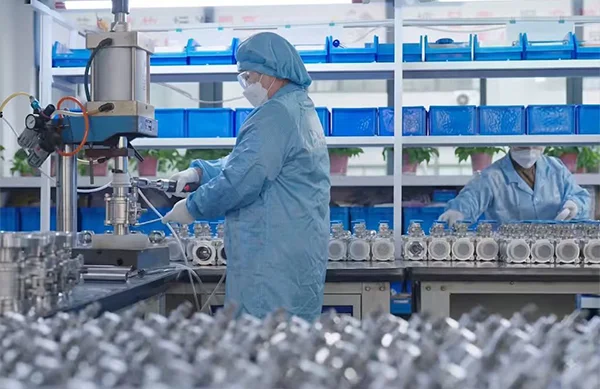
At DINGYUE, we control the complete manufacturing process from stainless steel material inspection to final valve testing.
Our production process includes:
Raw material PMI testing
Precision CNC machining
Surface polishing
Assembly inspection
Pressure testing
Each valve is inspected before shipment to ensure dimensional accuracy, sealing performance, and stable operation.
Q1: What is the difference between a sanitary valve and a standard industrial valve?
Sanitary valves are designed specifically for hygienic applications. They focus on cleanability, smooth internal surfaces, suitable materials, and reduced contamination risk, while standard industrial valves are mainly designed for general flow control.
Q2: Which stainless steel material should I choose for a sanitary valve?
304 stainless steel is suitable for many food and beverage applications. 316L stainless steel is commonly selected for pharmaceutical, biotechnology, and corrosive environments requiring higher corrosion resistance.
Q3: Can sanitary valves be used with CIP cleaning systems?
Yes. Many sanitary valves are designed for CIP environments. The actual suitability depends on valve structure, sealing material, cleaning chemical concentration, and operating temperature.
Q4: What connection types are available for DINGYUE sanitary valves?
We provide Tri Clamp, welded, threaded, and customized connection options according to customer piping standards.
Q5: Can DINGYUE supply automated sanitary valves?
Yes. We provide pneumatic and customized automation solutions for customers requiring integrated process control.
Q6: Do you support OEM sanitary valve projects?
Yes. DINGYUE supports OEM production, customized valve configurations, material selection, and project-based supply for equipment manufacturers and system integrators.