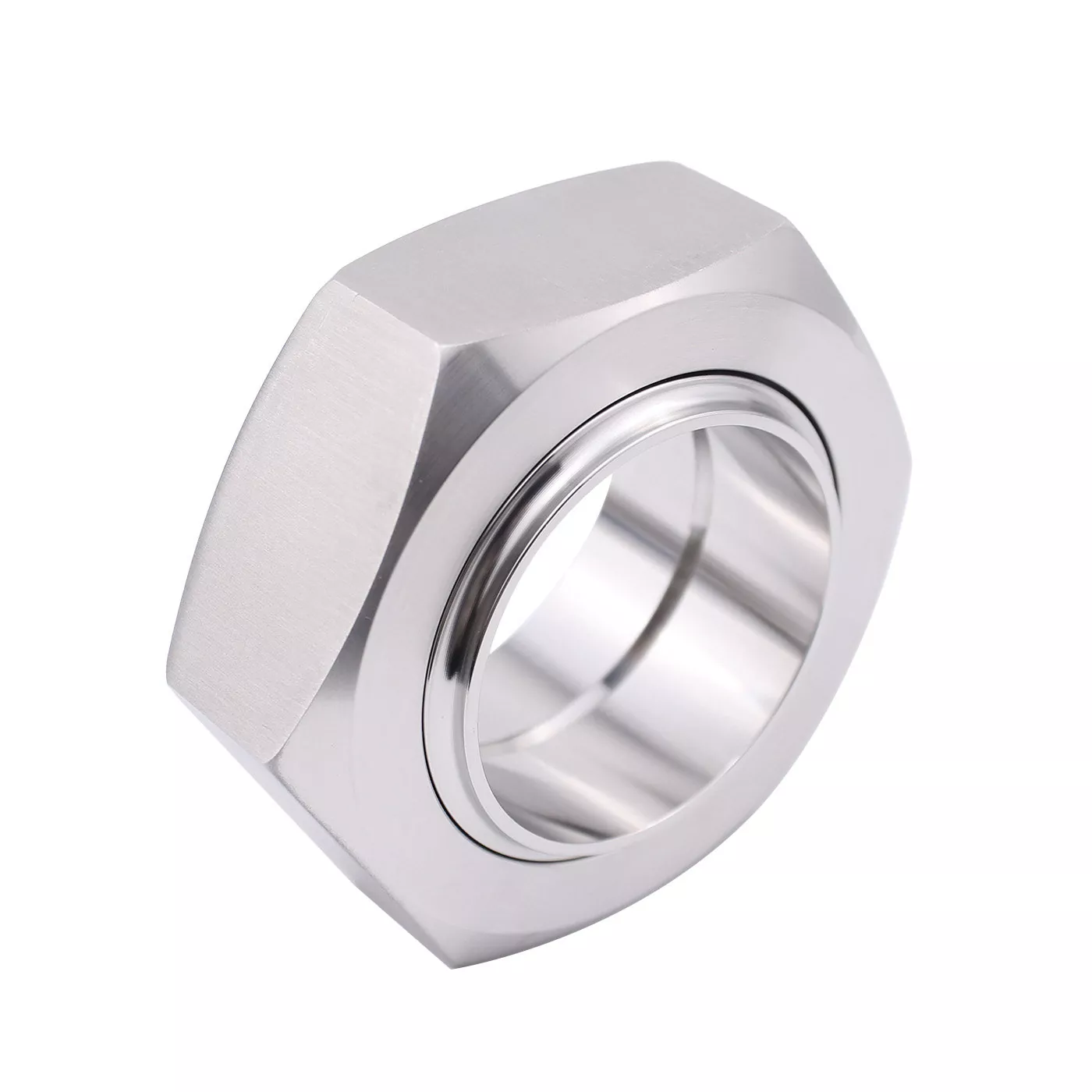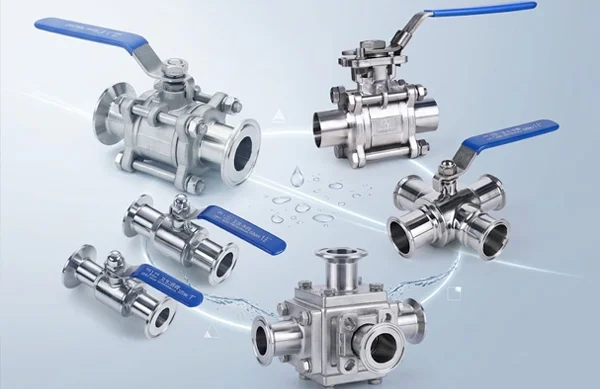
In industries where sterility and product integrity are non-negotiable, the Sanitary Sample Valve is a critical component for aseptic sampling. It allows operators to extract representative samples from pipelines, tanks, or process vessels without compromising the closed system or introducing contaminants. DINGYUE has spent more than twenty years engineering sanitary fluid handling solutions, and that experience is reflected in every valve we produce.
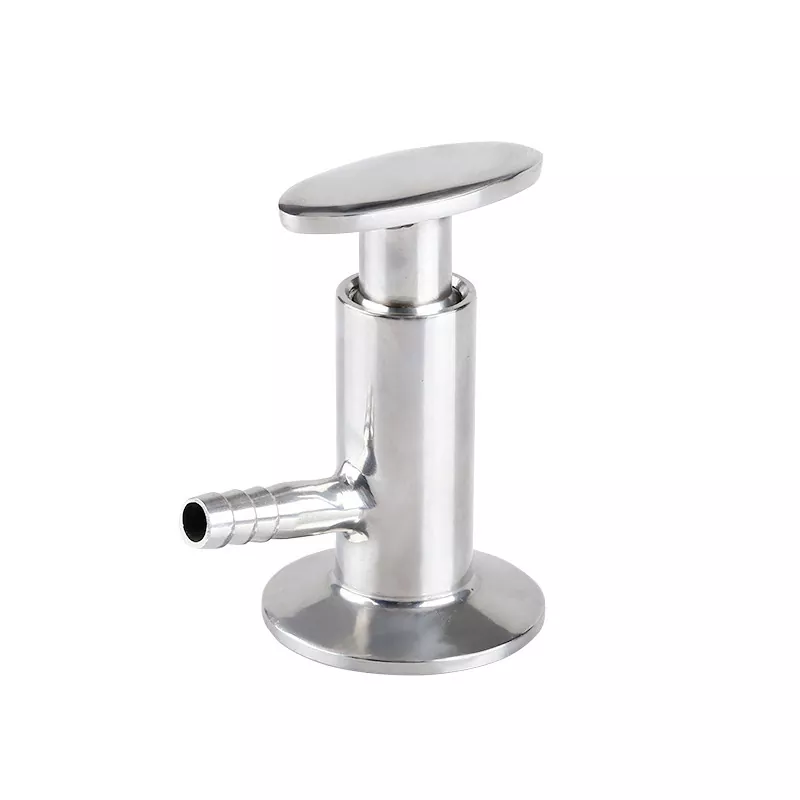
A Sanitary Sample Valve is a specialized valve designed to draw small quantities of product from a process line or vessel under hygienic conditions. Unlike standard industrial valves, it features crevice-free interiors, smooth surface finishes, and materials that resist corrosion and bacterial growth. They are widely used in pharmaceutical manufacturing, food processing, dairy production, breweries, biotechnology, and personal care product manufacturing. The primary function is to enable quality control checks, laboratory analysis, or process monitoring while keeping the main product stream sterile and uncontaminated.
The operating principle of a sanitary sample valve is straightforward but highly engineered. A valve stem with a sealing element retracts from the seat to open a flow path from the process line to the sample outlet. In the closed position, the seal sits flush with the internal wall of the pipe, leaving no dead leg. When the operator turns the handle or activates the pneumatic actuator, the stem lifts and allows product to flow through a short, polished channel into a sterile collection container or test tube. Releasing the handle or de-energizing the actuator returns the stem to its closed position, and the spring-loaded design ensures a positive shutoff even if air pressure is lost.
DINGYUE sample valves can be supplied with a sampling bottle adapter or a septum port. The septum version allows needle-free sampling through a replaceable rubber membrane, which is ideal for closed systems that require minimal exposure. The bottle adapter version enables direct collection into a pre-sterilized glass or plastic container, making it convenient for laboratory workflows.
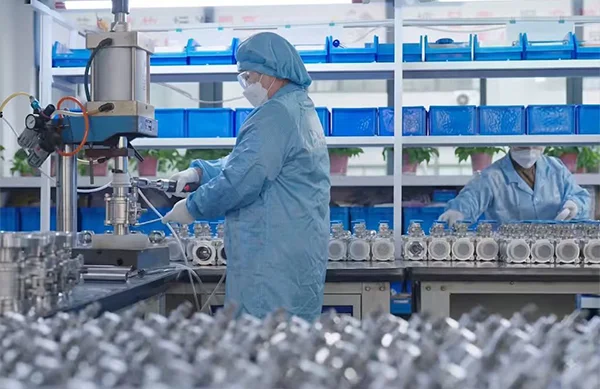
DINGYUE has built a reputation as a trusted supplier of sanitary flow control components for demanding industries. Our manufacturing facilities use CNC machining, automated orbital welding, and precision polishing to ensure consistent quality across every production batch. Each sanitary sample valve undergoes hydrostatic testing, surface roughness measurement, and dimensional inspection before shipment. We provide material traceability certificates, surface finish reports, and compliance documentation with every order.
In addition to standard catalog products, DINGYUE offers custom engineering services. If your process requires a non-standard connection size, special seal material, or a unique sample volume, our design team can develop a solution quickly. We understand that downtime is costly, so we maintain a large inventory of valves and spare parts for fast delivery.
What is a sanitary sample valve used for?
It is used to extract small, representative quantities of liquid or semi-liquid product from a closed processing system under hygienic conditions. It is commonly installed in pharmaceutical, food, beverage, and biotechnology facilities for quality control, microbial testing, and process validation. The valve design prevents contamination of both the sample and the main product stream, ensuring that test results accurately reflect the condition of the batch without compromising sterility.
What materials are used ?
The standard body material for sanitary sample valves is AISI 316L stainless steel because it offers excellent corrosion resistance, cleanability, and compatibility with common cleaning agents. Some models use AISI 304 stainless steel for less aggressive environments. Seal materials include EPDM, PTFE, silicone, and Viton, each selected based on temperature range, chemical exposure, and regulatory requirements. All wetted surfaces are polished to a smooth finish to inhibit bacterial adhesion and facilitate cleaning.
How do I choose the right size and connection type ?
Choosing the right size depends on the sample volume required, the viscosity of the product, and the diameter of the existing pipeline. The connection type must match the fittings on your process line. Tri-Clamp connections are the most common in sanitary applications because they are easy to disassemble for inspection and cleaning. Butt weld connections provide a permanent, crevice-free joint for high-purity systems. Thread and flange connections are used when retrofitting to existing industrial piping. If you are unsure, provide your line specifications to a DINGYUE engineer for a precise recommendation.
Are DINGYUE sanitary sample valves FDA compliant?
Yes, DINGYUE sanitary sample valves are designed to comply with FDA requirements for food contact materials. The stainless steel bodies and elastomer seals meet the relevant sections of 21 CFR. Many models are also designed in accordance with 3-A Sanitary Standards and EHEDG guidelines, which cover hygienic design principles for equipment used in food and pharmaceutical processing. Documentation such as material certificates and surface finish reports is provided with every valve to support validation and audit processes.
How should I clean and sterilize?
Cleaning and sterilization should be integrated into your standard CIP and SIP protocols. For clean-in-place cleaning, circulate hot cleaning solutions through the main line while opening the sample valve briefly to flush the sample chamber. Rinse thoroughly with purified water. For steam-in-place sterilization, apply saturated clean steam to the valve body and sample outlet for the time required to achieve the target temperature and F0 value. After sterilization, allow the valve to cool and drain before collecting samples. Always verify that the seal material is compatible with the cleaning agents and steam temperatures used in your process.
How often should seals be replaced?
Seal replacement frequency depends on operating temperature, chemical exposure, frequency of use, and cleaning methods. As a general guideline, elastomer seals should be inspected every six to twelve months and replaced at least once per year, or more frequently in aggressive environments. Hardening, cracking, discoloration, or permanent deformation are signs that a seal needs replacement. DINGYUE provides spare seal kits and recommends keeping a small inventory on hand to minimize downtime during scheduled maintenance.