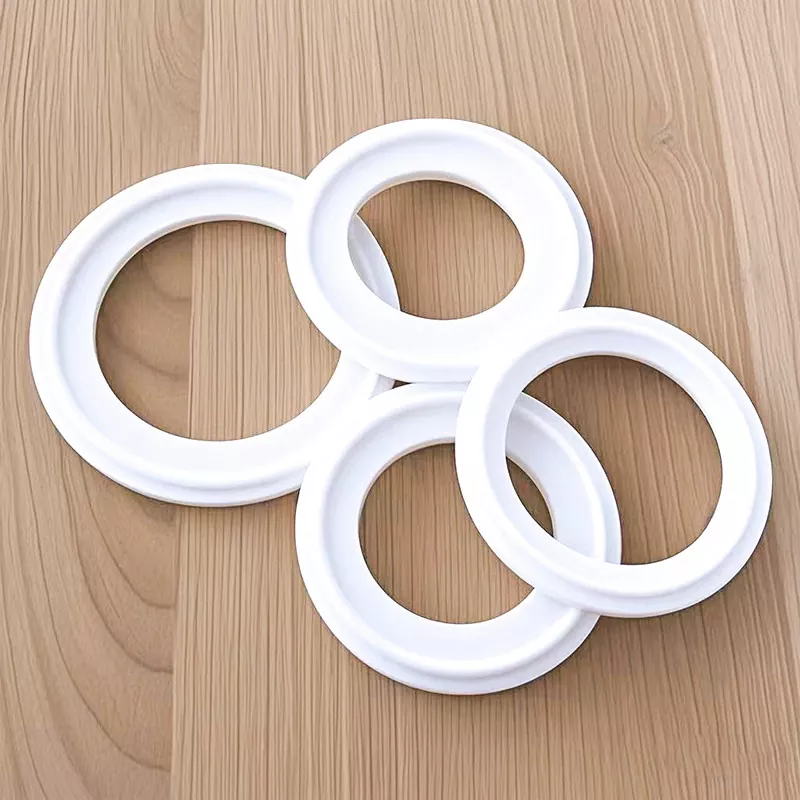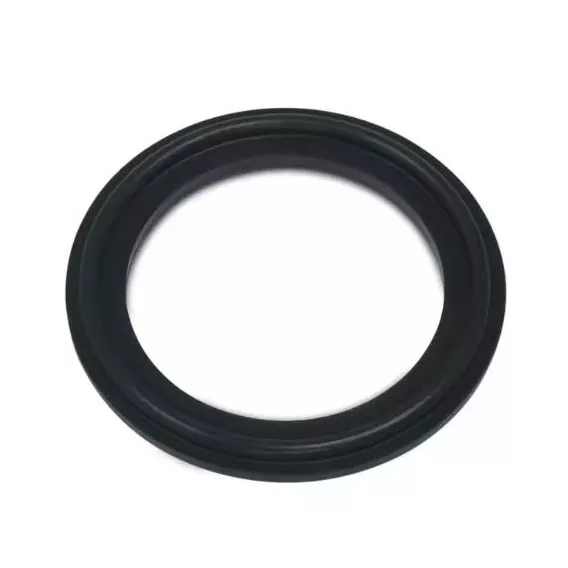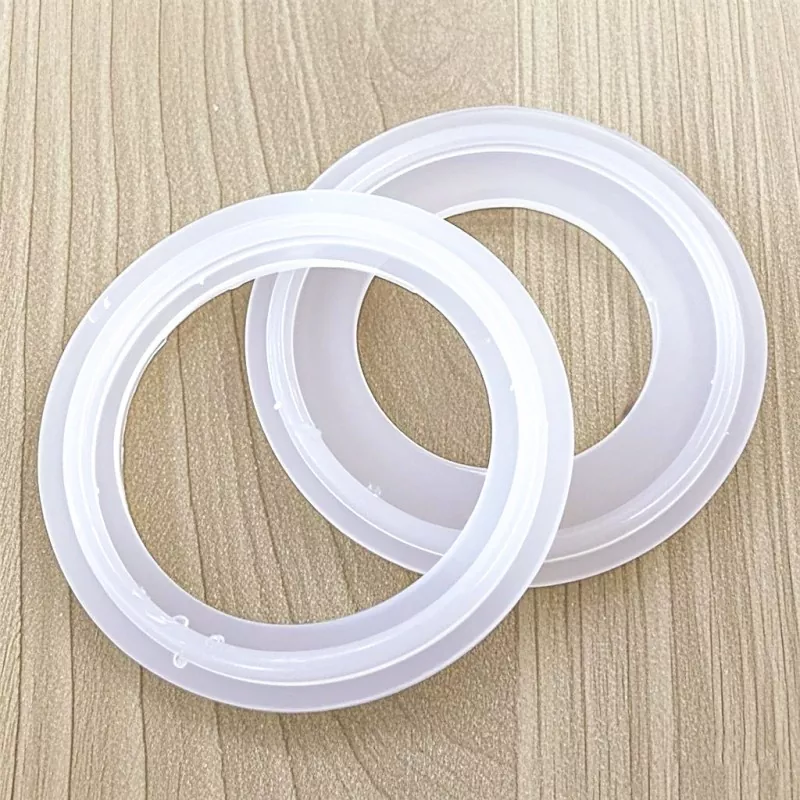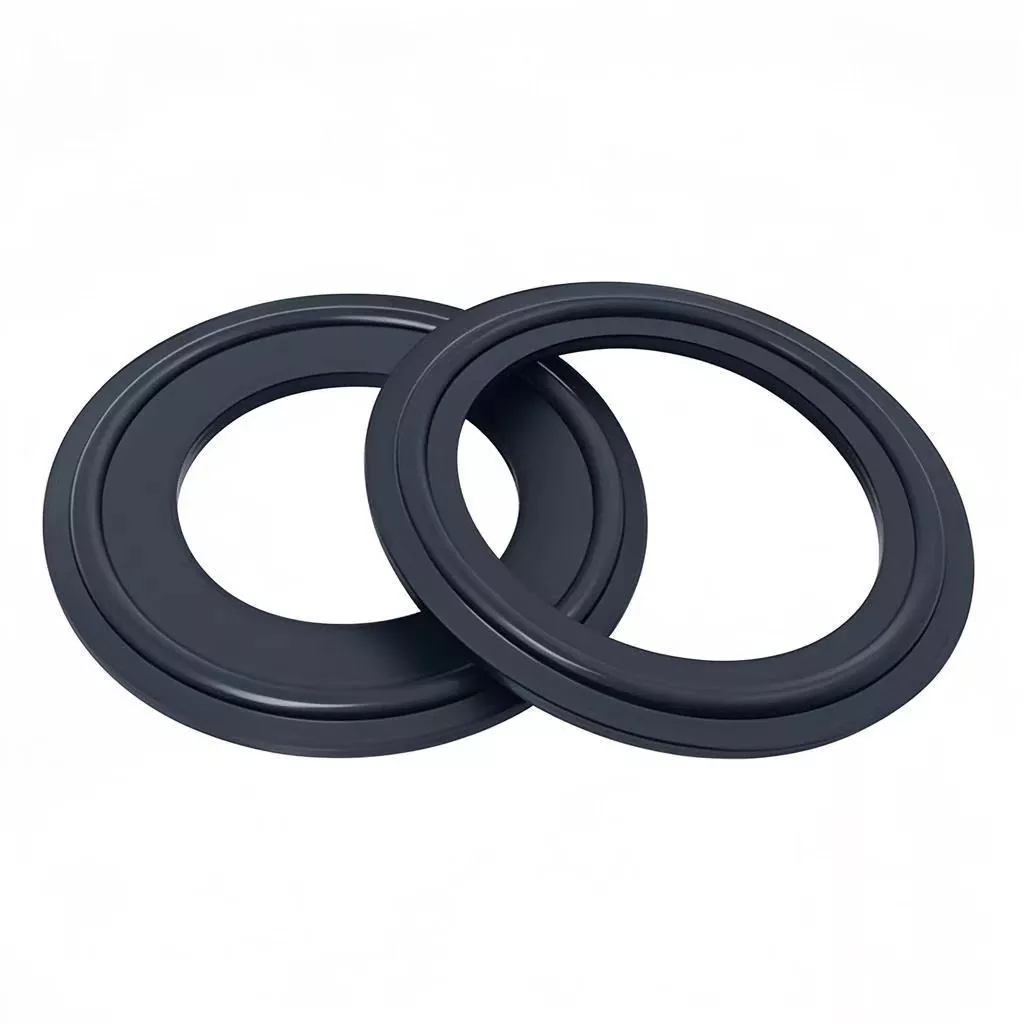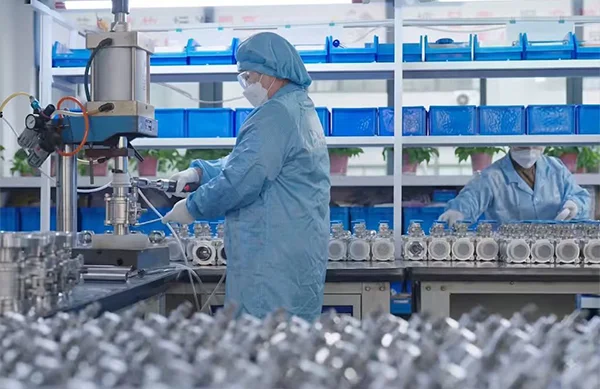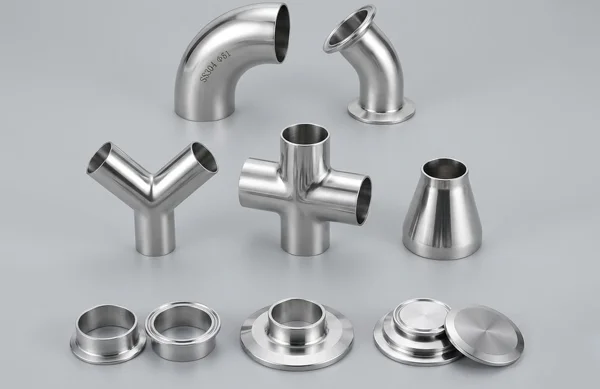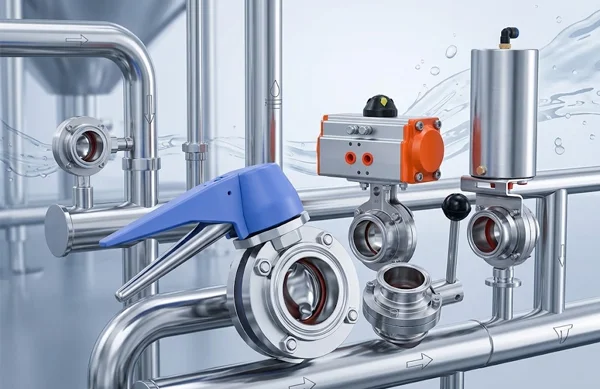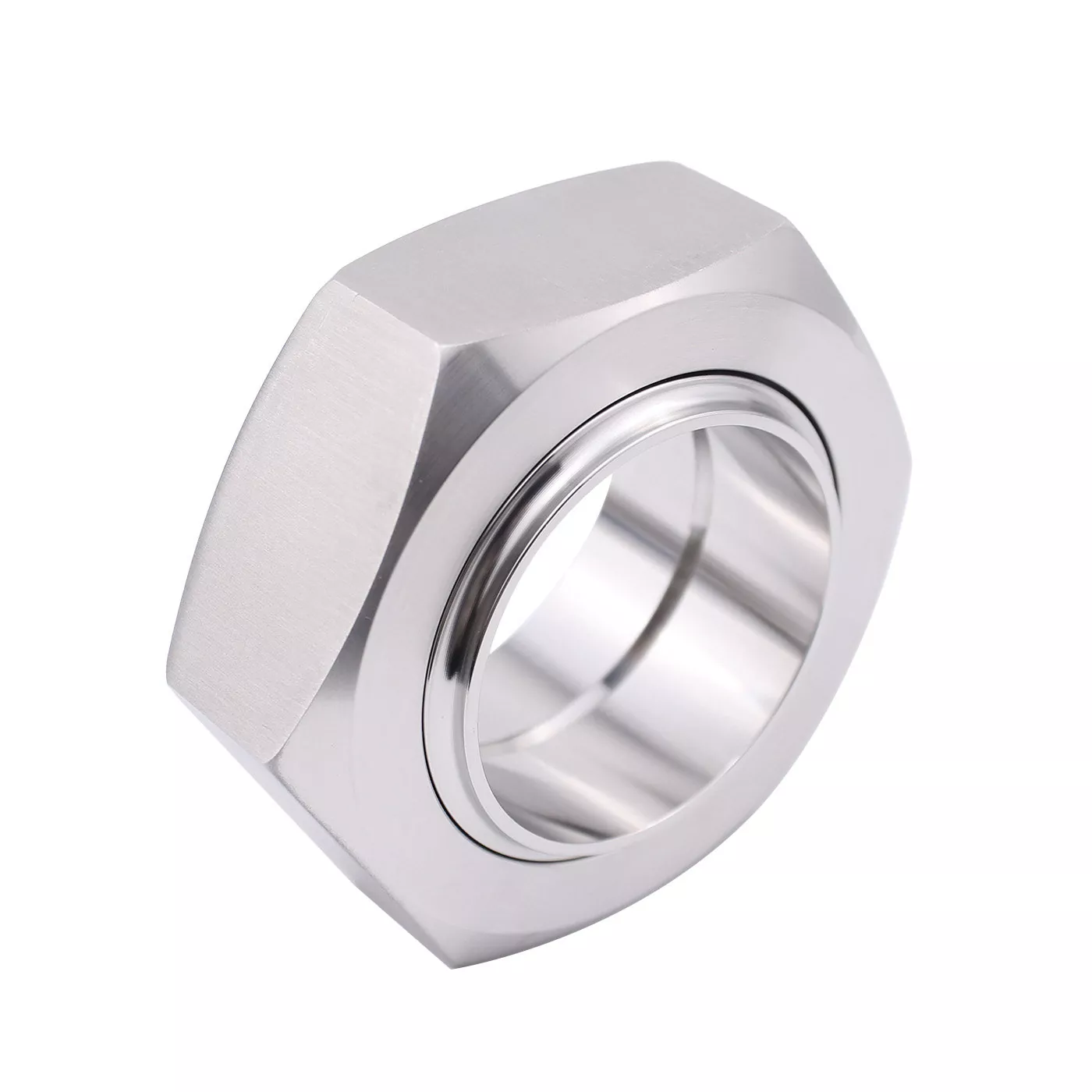
In hygienic processing industries, the Sanitary Gasket is a critical sealing component designed to maintain sterile connections between pipes, fittings, valves, and equipment. These gaskets are engineered to prevent contamination, withstand aggressive cleaning protocols, and deliver reliable performance under demanding thermal and mechanical conditions. DINGYUE has spent decades refining sanitary gaskets production to meet the strict requirements of food, beverage, pharmaceutical, biotechnology, and cosmetics manufacturers around the world.
DINGYUE sanitary gaskets are widely used in hygienic fluid processing systems where reliable sealing, material compatibility, and contamination control are required. In dairy processing lines, they are commonly installed in pipelines handling milk, cream, yogurt, cheese, and other dairy products, supporting stable operation under frequent cleaning cycles. For breweries and wineries, these gaskets are applied in transfer pipelines, fermentation equipment, and filtration systems where consistent sealing performance helps maintain product quality.
In pharmaceutical and biotechnology industries, DINGYUE gaskets are used in sterile processing equipment, WFI (Water for Injection) loops, bioreactors, harvest lines, and buffer preparation skids, where low extractables and hygienic performance are essential. They are also suitable for cosmetic and personal care production systems involving liquid transfer and filling processes.
For food and beverage manufacturing, our gaskets support applications such as pasteurizers, heat exchangers, mixers, and other process equipment requiring dependable sealing during production and cleaning procedures. In high-purity water systems and clean utility distribution networks, suitable gasket materials help maintain system integrity and reduce contamination risks. For chemical processing applications, PTFE, FKM (Viton), and other specialized sealing materials are available when stronger chemical resistance is required.
Q: How do I select the right material ?
A: Material selection depends on process temperature, chemical compatibility, cleaning method, and regulatory requirements. EPDM is ideal for hot water, steam, and most food and dairy products. Silicone works best in high-temperature SIP cycles and pharmaceutical applications. Viton offers superior chemical resistance for aggressive solvents and acids. PTFE provides the highest chemical inertness and temperature range but requires higher compression force. Buna-N suits fatty and oily food streams. DINGYUE provides technical guidance and material compatibility charts to help you choose correctly for your specific media and operating conditions.
Q: What size gasket do I need for a Tri-Clamp connection?
A: For a Tri-Clamp connection, the gasket must match the tube outside diameter of the ferrule, not the clamp size. For example, a 1.5-inch Tri-Clamp ferrule uses a gasket with a 1.5-inch tube OD specification. The gasket inner diameter should be slightly smaller than the ferrule bore to ensure full contact at the sealing face. DINGYUE manufactures all common sizes from 1/2 inch to 12 inches and can produce custom dimensions if you provide the ferrule drawing or actual component measurements.
Q: How often should it be replaced?
A: Replacement frequency varies based on process temperature, pressure cycling, chemical exposure, and cleaning intensity. In high-temperature CIP systems, EPDM gaskets typically last 6 to 12 months. Silicone gaskets in SIP applications may require replacement every 3 to 6 months due to compression set. PTFE gaskets can last years if not physically damaged, but they should be inspected for deformation after each disassembly. DINGYUE recommends establishing a preventive maintenance schedule based on visible wear, leakage history, and production batch records.
Q: Why does my sanitary gasket extrude or split after installation?
A: Extrusion and splitting usually result from over-compression, improper sizing, or incorrect material durometer. If the gasket is too soft for the clamp force, it can flow into the gap between ferrules and tear during thermal expansion. If the gasket is too hard, it may not seal properly and can crack under cyclic loading. DINGYUE offers multiple hardness options for each material to match your clamp design and torque specifications. Always center the gasket and tighten clamps gradually in a star pattern to distribute load evenly.
Q: Can DINGYUE manufacture custom gaskets for specialized equipment?
A: Yes, DINGYUE offers custom manufacturing for non-standard sizes, rectangular manway gaskets, sight glass gaskets, multi-hole filter plate gaskets, and high-purity flange seals. We can compound specific elastomer formulations, control surface finish to Ra 0.4 µm or better, and include embedded RFID tags or laser marking for traceability. Send your drawing, sample, or equipment model to our engineering team for a prompt quote and material recommendation.
Q: How do I prevent contamination between different product runs ?
A: Cross-contamination prevention requires strict material segregation, color-coded gasket identification, and documented changeover procedures. Use different colored gaskets for different product lines or allergens, and dedicate tools for installation and removal. Replace gaskets during product changeovers if they are porous or cracked. Clean gaskets with approved CIP chemistry at recommended concentrations and temperatures. DINGYUE can provide color-coded gaskets and permanent laser marking to reduce the risk of mix-ups in multi-product facilities.