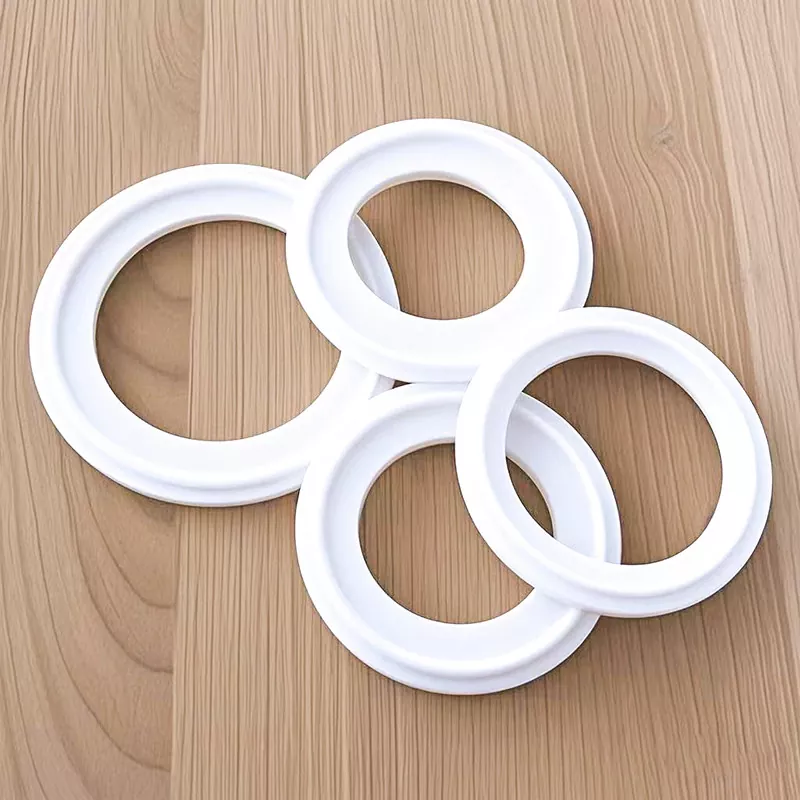

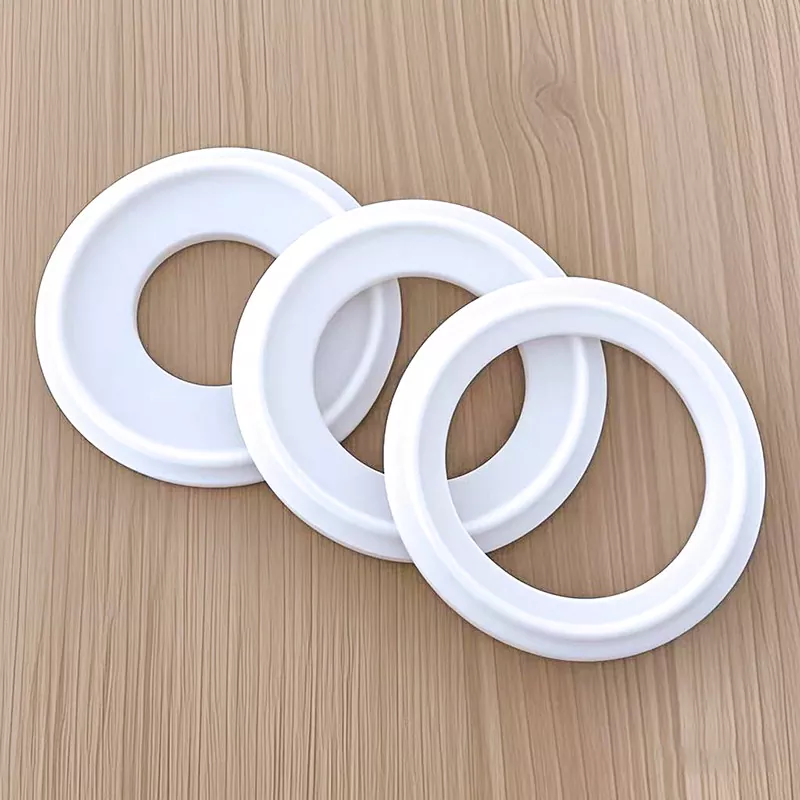

When customers ask us to recommend a sanitary gasket, we usually do not start with the connection size. The first questions are about the working conditions: What fluid is being handled? What chemicals are used during cleaning? What temperature does the gasket need to withstand?
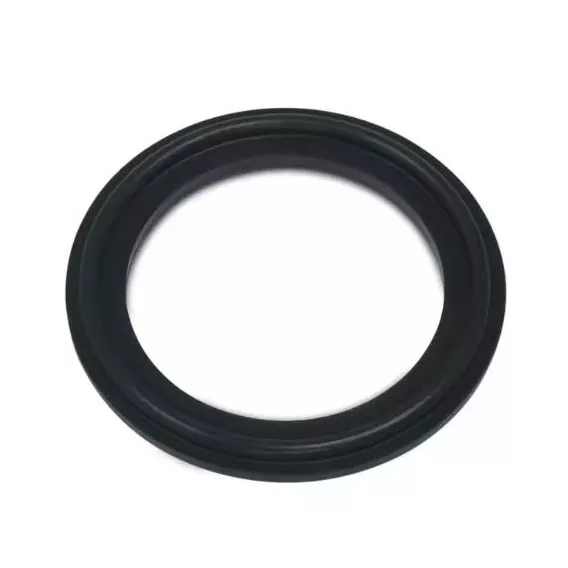
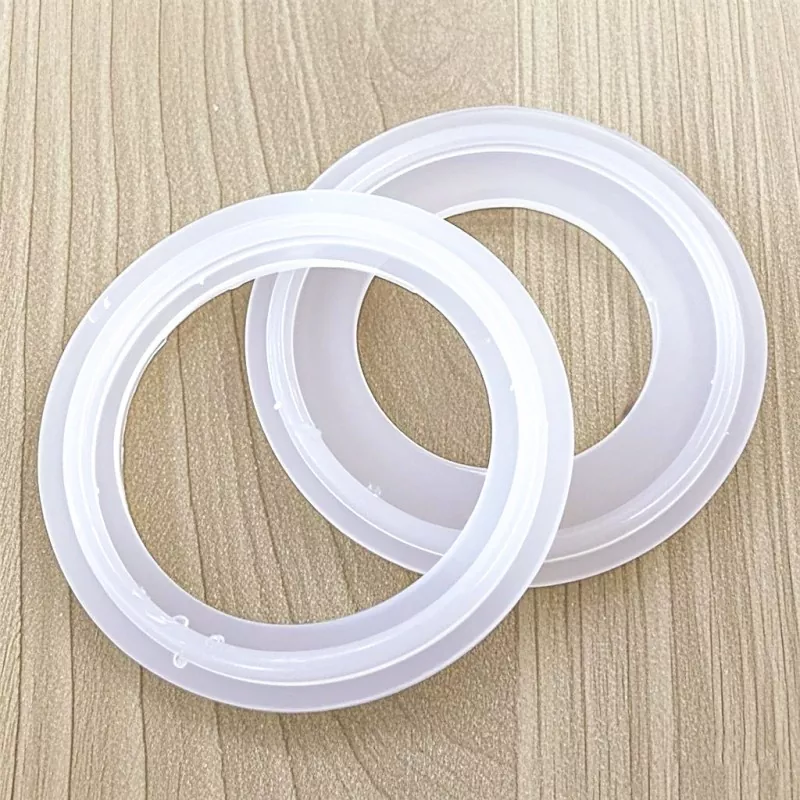
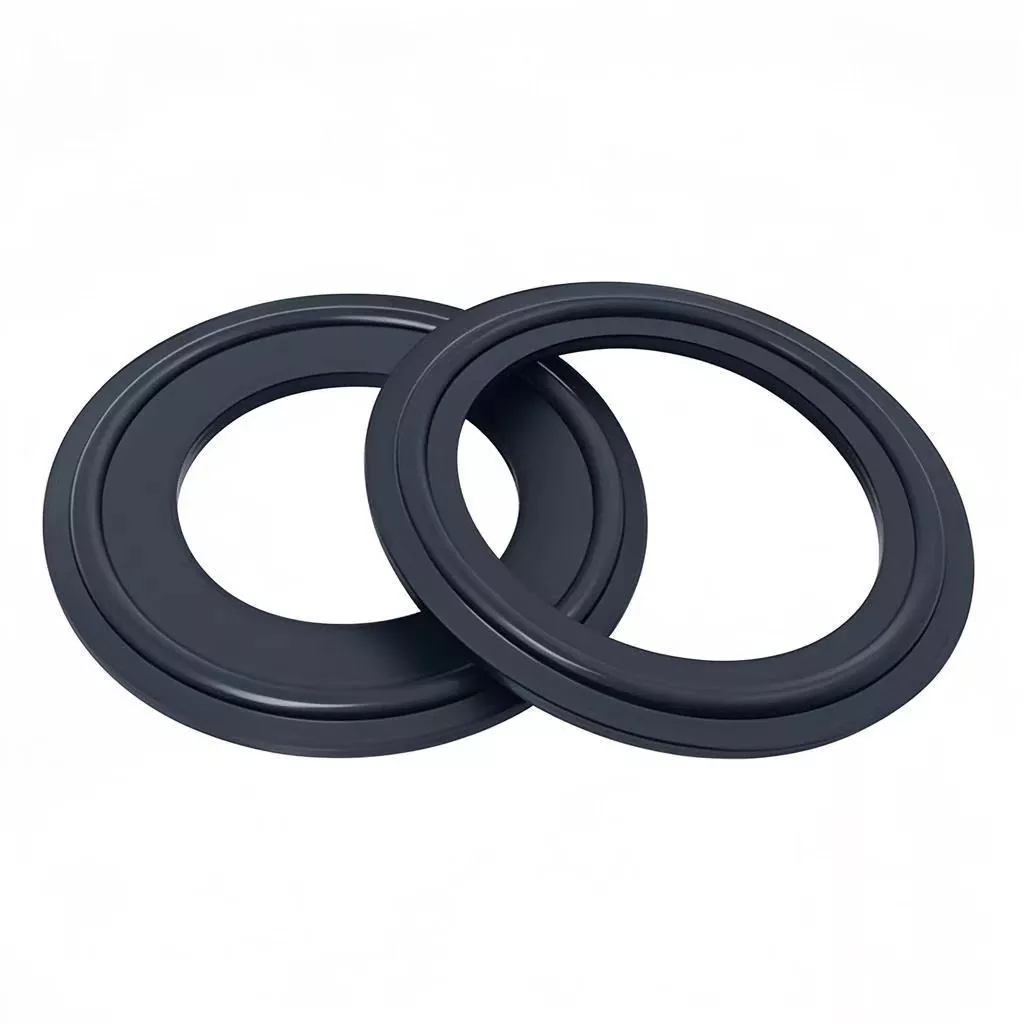
PTFE is commonly selected when standard rubber materials cannot provide sufficient chemical resistance. Its stable molecular structure allows it to maintain performance when exposed to many acids, alkalis, solvents, and aggressive process media. At DINGYUE, we recommend PTFE Sanitary Gaskets for applications where chemical compatibility and material stability are more important than elasticity.
During operation, sealing materials may be exposed to sensitive products, cleaning chemicals, and high-purity fluids. Materials with poor compatibility may absorb media, release trace substances, or affect process stability.
PTFE is widely used in these applications because it has a non-reactive surface and low material interaction characteristics.
For customers working with high-purity systems, we often recommend PTFE when they need:
· Minimal chemical reaction between the seal and process media
· Stable performance during repeated cleaning cycles
· Reduced contamination concerns
· Consistent sealing performance in sensitive applications
This is why PTFE Sanitary Gaskets are commonly found in pharmaceutical processing, semiconductor chemical delivery, and other industries where cleanliness requirements are strict.
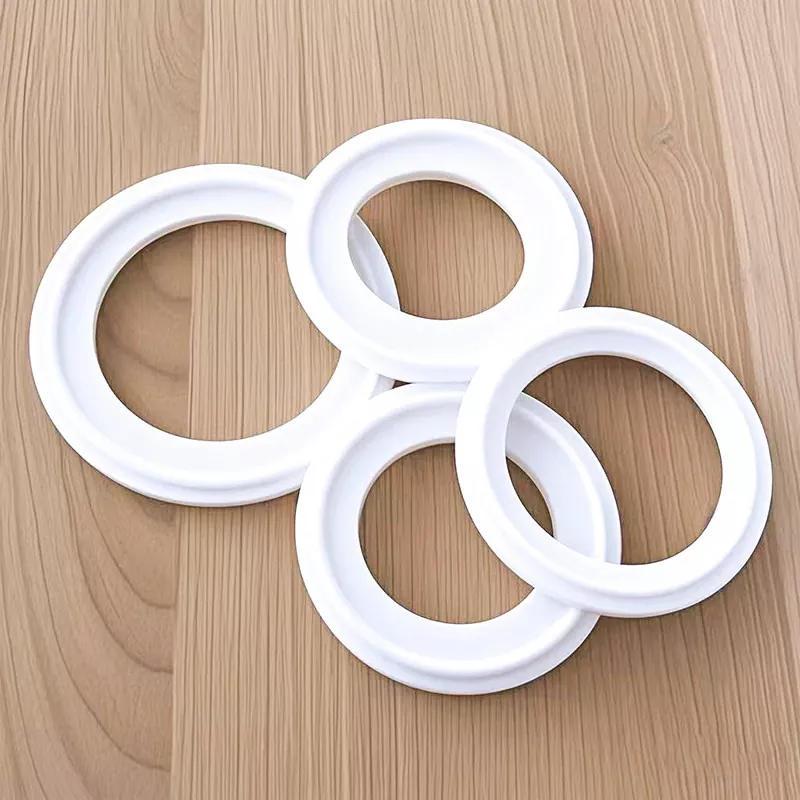
Different PTFE structures provide different sealing characteristics. At DINGYUE, we supply various PTFE gasket materials based on the actual working conditions, including chemical exposure, temperature, pressure, and sealing requirements.
|
PTFE Material Type |
Material Characteristics |
Main Advantages |
Typical Applications |
|
Virgin PTFE |
Made from pure PTFE resin without fillers, maintaining the original chemical stability and purity of PTFE |
Excellent chemical resistance, high material purity, low contamination risk, suitable for high-purity applications |
Pharmaceutical piping systems, sanitary valves and fittings, purified fluid systems, food processing equipment |
|
Expanded PTFE (ePTFE) |
PTFE with an expanded microstructure that provides better flexibility and surface adaptability |
Improved compression performance, better sealing contact on uneven surfaces, easier installation compared with solid PTFE |
Equipment connections, larger sealing areas, applications where sealing surfaces require better conformity |
|
Filled PTFE |
PTFE combined with specific fillers to enhance mechanical properties |
Improved wear resistance, dimensional stability, and mechanical strength for special operating conditions |
Industrial process equipment, applications requiring higher mechanical performance, customized sealing solutions |
When selecting PTFE sanitary gaskets, we evaluate the actual operating conditions rather than simply choosing the highest-grade material. Temperature range, chemical compatibility, pressure requirements, connection design, and maintenance conditions all influence the most suitable PTFE solution.
|
Parameter / Feature |
Specification Details |
|
Material Base |
Virgin PTFE / Expanded PTFE (ePTFE) / Filled PTFE |
|
Compliance Standards |
FDA 21 CFR 177.1550, USP Class VI, 3-A Sanitary Standards, EC 1935/2004 |
|
Chemical Resistance |
Universal: Strong acids, caustics, solvents, steam, fuels, chlorine, CIP chemicals |
|
Available Structure Types |
Solid PTFE Tri-Clamp seals, Envelope gaskets, Expanded PTFE sheets, O-rings |
|
Certification |
EN 10204 3.1 MTC, RoHS, REACH, FDA compliance statements |
In pharmaceutical production, sealing materials need to work together with strict process control requirements.
We supply PTFE sanitary gaskets for applications such as purified water systems, sterile fluid transfer lines, and pharmaceutical equipment connections.
For these systems, customers usually focus on material purity, chemical stability, and consistent performance after repeated cleaning and sterilization procedures.
Semiconductor manufacturing requires extremely clean fluid handling systems. Chemicals used in production may quickly affect ordinary sealing materials.
PTFE gaskets are commonly used in chemical delivery pipelines because they maintain stable properties when exposed to aggressive chemicals and high-purity fluids.
For these applications, the key requirement is not only sealing performance but also minimizing material contamination during long-term operation.
Food processing equipment is frequently cleaned using hot water, alkaline solutions, and other cleaning agents.
While many elastomer gaskets are suitable for general food applications, PTFE is selected when stronger chemical resistance or higher material stability is required.
Typical applications include processing equipment, special ingredient handling systems, and sanitary pipelines exposed to demanding cleaning conditions.
Chemical processing is one of the main applications where PTFE shows its advantages.
When pipelines handle corrosive chemicals or solvents, gasket material compatibility becomes a critical factor.
We provide PTFE sealing solutions for systems involving acids, alkalis, solvents, and other challenging process media where conventional rubber materials may not provide sufficient service life.
A: Virgin PTFE is solid and dense, whereas ePTFE has a soft, fibrous structure that conforms better to uneven sealing surfaces and resists thermal cold flow under high pressure.
A: A PTFE gasket provides a far wider temperature complete immunity to almost all chemicals and solvents that would swell or dissolve rubber elastomers.
Yes. PTFE is commonly used in pharmaceutical systems because of its stable chemical properties and low extractable characteristics.
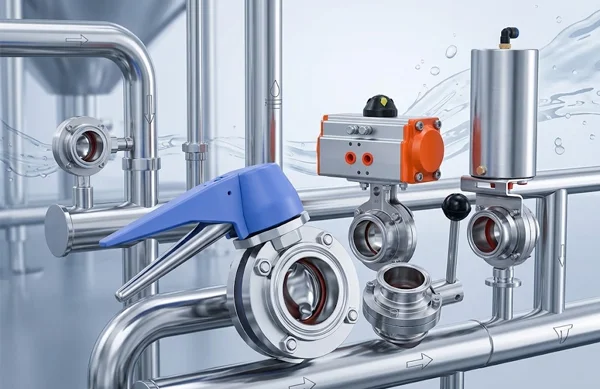
Yes. PTFE gaskets are commonly used with sanitary Tri Clamp connections, valves, fittings, and customized hygienic equipment assemblies.
Address
Building 1, No. 505, Binhai Erdao, Xinghai Subdistrict, Longwan District, Wenzhou City, Zhejiang Province, China.