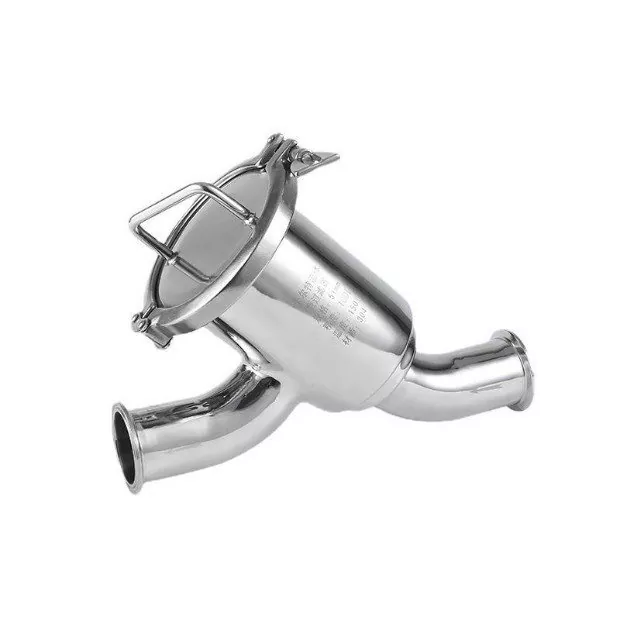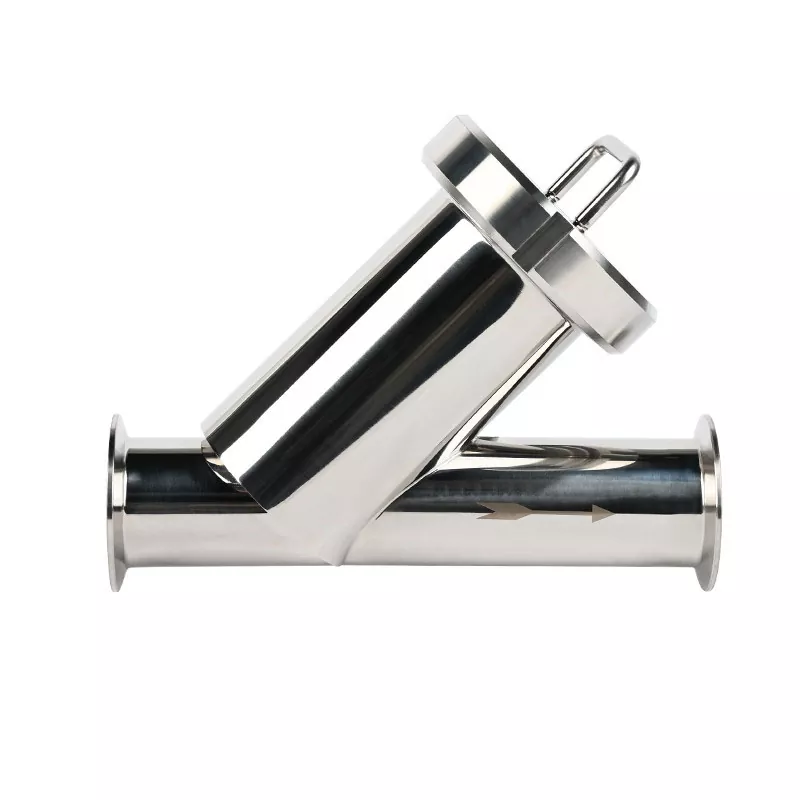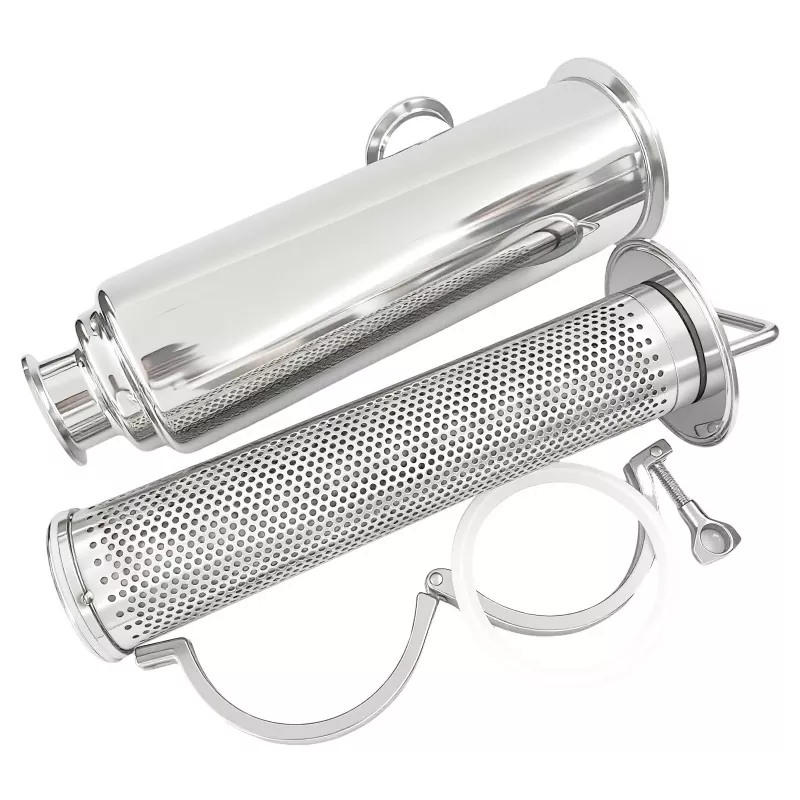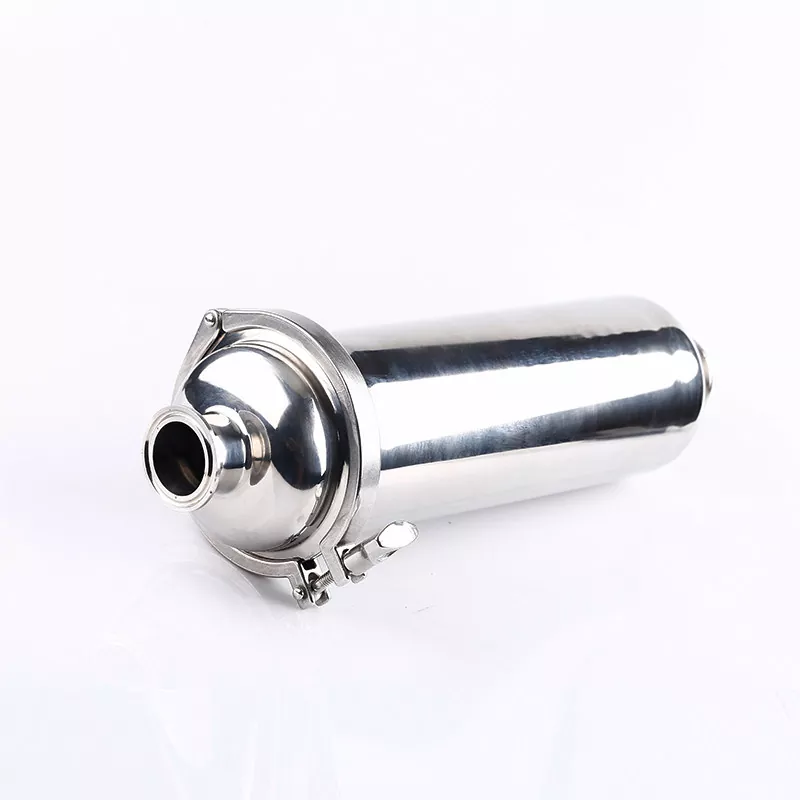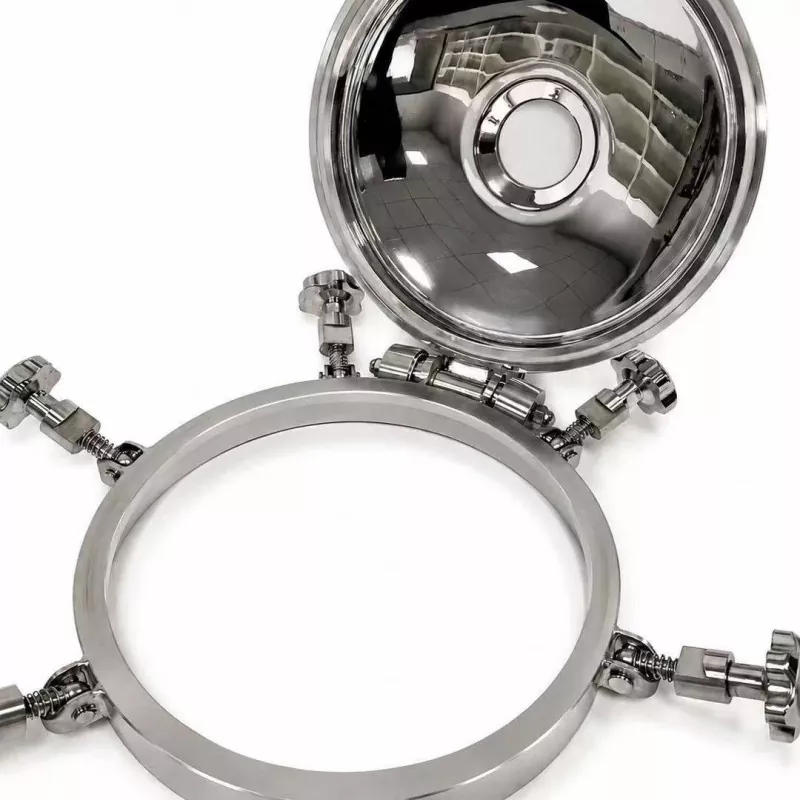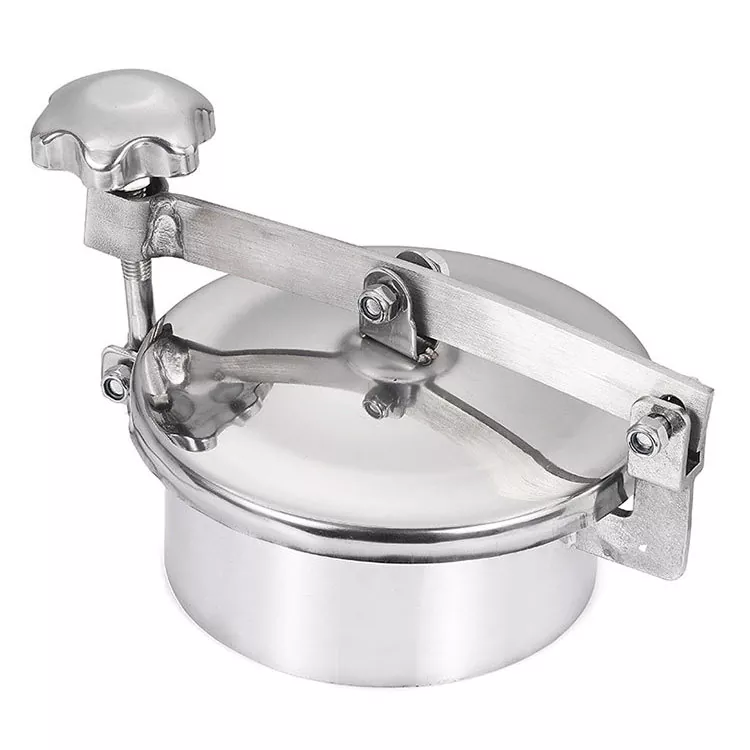
In food processing, dairy production, pharmaceutical manufacturing, and biotechnology facilities, the reliability of fluid storage depends on every connection point within the tank system. Sanitary Tank Fittings & Components are the essential interfaces that join tanks, pipelines, valves, pumps, and instrumentation while maintaining a clean, crevice-free environment. DINGYUE manufactures Sanitary Tank Fittings and Components with strict dimensional tolerances, certified material traceability, and surface finishes engineered to reduce microbial adhesion.
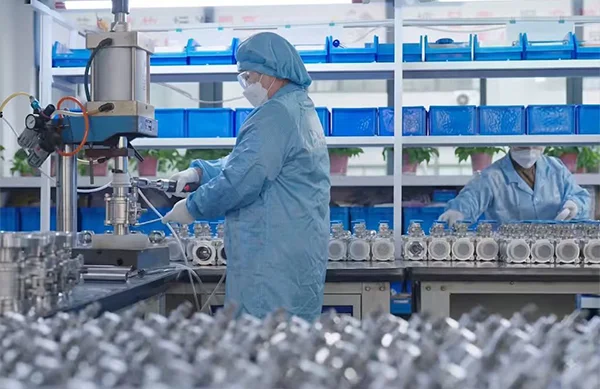
DINGYUE Sanitary Tank Fittings and Components are designed for applications where contamination control, cleanability, and repeatable installation are non-negotiable. Each fitting is produced from solid bar stock or forgings rather than castings, which eliminates porosity and creates a uniform grain structure. The internal surfaces are machined and then mechanically polished to a mirror-like finish, followed by optional electro-polishing for enhanced passivation. All contact surfaces are free of pits, folds, and cracks that could harbor bacteria or product residue. DINGYUE applies a controlled manufacturing process that includes heat number traceability, dimensional inspection on coordinate measuring machines, and final surface roughness verification on every production lot.
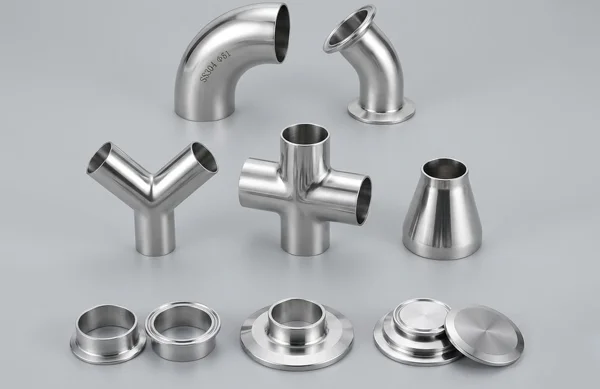
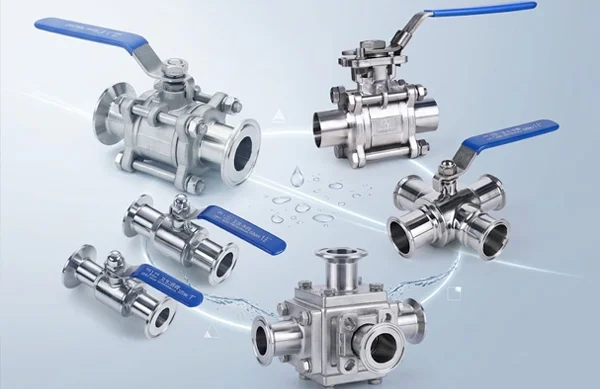
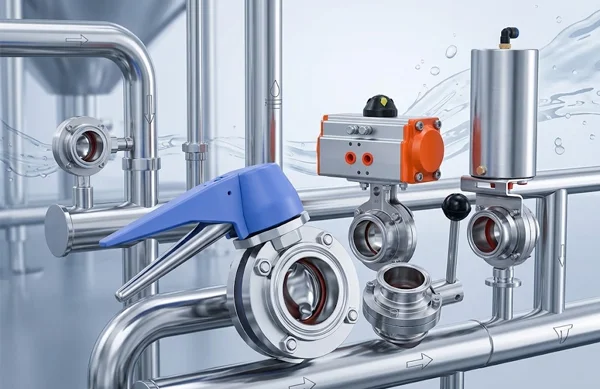
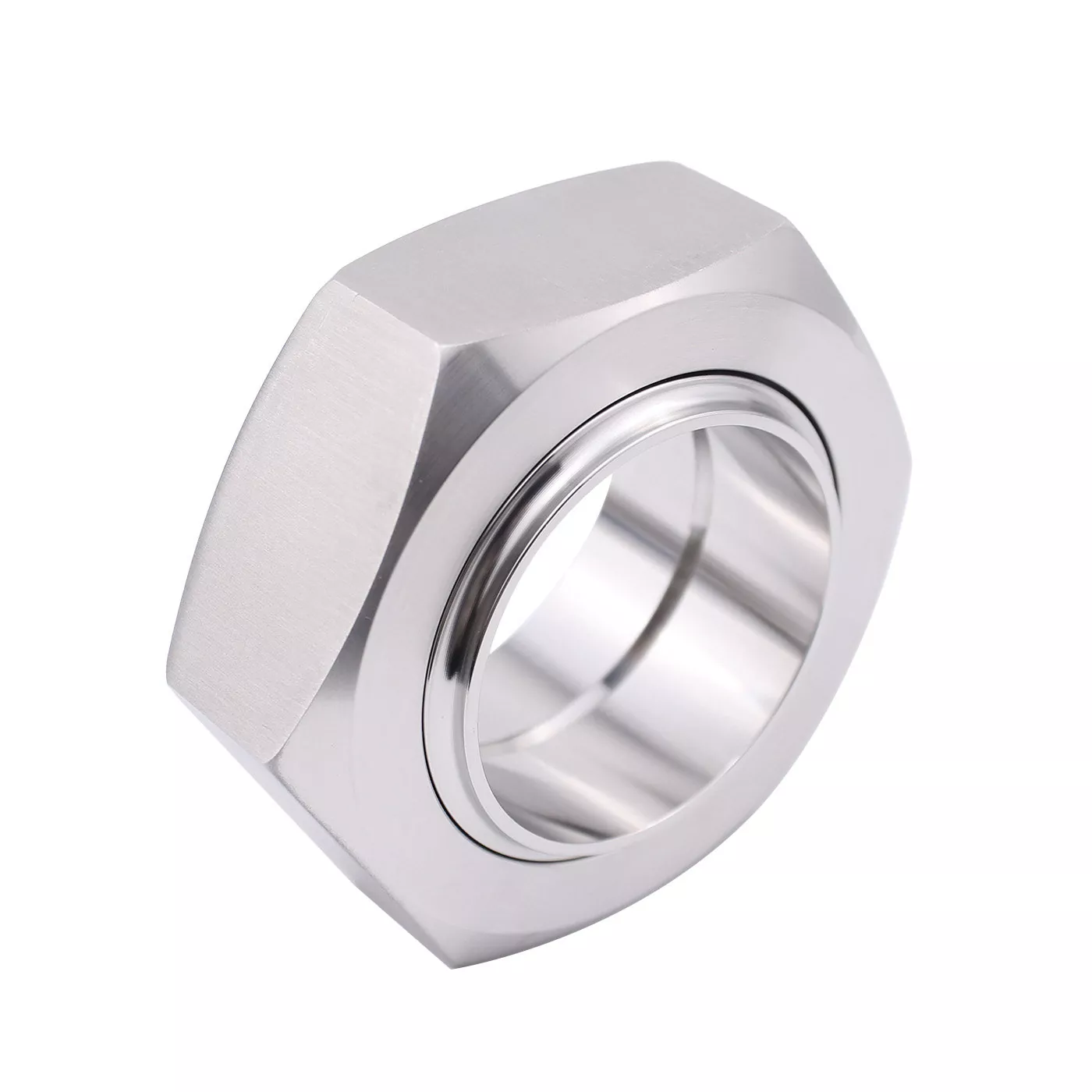
The product range includes tank outlet ferrules, welded stubs, elbows, tees, reducers, crosses, sight glass assemblies, spray ball connections, level sensor adapters, manway gaskets, and custom-machined ports. Standard connection types cover tri-clamp, butt weld, threaded, flange, and DIN union styles. DINGYUE also provides hybrid fittings that combine different connection ends on a single body, reducing the number of welds and potential leak points in a tank skid. For high-purity water storage, all fittings can be supplied with electro-polished inner surfaces and cleanroom bagged packaging to support validation protocols.
Material selection directly affects corrosion resistance, service life, and compliance with food contact regulations. DINGYUE sources stainless steel from certified mills and maintains full chemical and mechanical test reports for each heat. The default material for sanitary water tank fittings is 316L stainless steel due to its low carbon content and molybdenum addition, which improves resistance to chlorides and process fluids. For applications involving aggressive cleaning chemicals or high-temperature steam, DINGYUE offers alternative alloys including duplex 2205, AL-6XN, and Hastelloy C22. For less demanding utility water systems, 304 stainless steel can be supplied at a lower cost while still meeting basic hygienic requirements.
DINGYUE maintains an ISO 9001:2015 registered quality management system and holds 3A Sanitary Standards authorizations for many standard fitting types. Every production lot of sanitary water tank fittings receives dimensional inspection, surface roughness verification, and material certification review before release. Mill test reports are supplied with each order and include chemical composition, mechanical properties, and heat number traceability. For pharmaceutical and biotech customers, DINGYUE can provide full documentation packages that include passivation certificates, electro-polish thickness measurements, cleanroom packaging declarations, and Certificate of Conformance. Weld-end fittings are also subjected to orbital weld qualification tests to verify fit-up tolerances and purge requirements.
What are sanitary water tank fittings used for?
They are specialized connection components that join tanks, pipes, valves, and monitoring instruments in hygienic processing systems. They are designed with smooth, crevice-free internal surfaces that prevent bacterial growth, product entrapment, and cross-contamination. Typical uses include purified water storage tanks, water-for-injection systems, CIP solution tanks, fermentation vessels, and liquid food holding tanks. DINGYUE manufactures these fittings with certified materials and polished contact surfaces to meet FDA, 3A, and USP requirements.
How do I choose the right material ?
The material choice depends on the chemical composition of the stored water, the operating temperature, and the cleaning process. For most purified water and ambient temperature applications, 316L stainless steel is the best balance of cost and corrosion resistance. If the water contains elevated chlorides above 200 ppm, duplex 2205 or AL-6XN provides better pitting resistance. For high-temperature steam-in-place cycles above 140°C, verify that the material retains its mechanical strength and passivity. DINGYUE technical engineers can review your water analysis and recommend the most economical alloy that meets your service life requirements.
What surface finish is required for pharmaceutical water tank fittings?
Pharmaceutical water systems typically require a surface roughness of Ra 0.6 μm or better for purified water and Ra 0.4 μm or better for water-for-injection. This is achieved by mechanical polishing to 320 grit followed by electro-polishing and passivation. The electro-polished surface removes embedded iron particles and enriches the chromium oxide layer, which improves cleanability and reduces microbial adhesion. DINGYUE supplies sanitary water tank fittings with documented Ra values measured on every production lot, along with certification of passivation to ASTM A967.
What documentation is supplied with each order?
Every DINGYUE order ships with a Certificate of Conformance, material mill test reports, surface roughness inspection records, and dimensional inspection reports as applicable. For pharmaceutical and biotech applications, additional documentation can include electro-polish thickness certificates, passivation logs, cleanroom packaging declarations, and USP Class VI test reports for gaskets. DINGYUE maintains full heat traceability from the original steel mill to the finished fitting, so each component can be traced back to its raw material heat number. This documentation supports validation and regulatory audits.
How should sanitary water tank fittings be cleaned before installation?
Before installation, remove all packaging materials and inspect the fitting for damage or contamination. Clean the wetted surfaces with a low-residue alkaline detergent and purified water, then rinse with 70% isopropyl alcohol or another approved sanitizing agent. For electro-polished fittings, avoid abrasive cleaners or metal brushes that can scratch the surface. DINGYUE ships electro-polished fittings in sealed cleanroom bags to maintain cleanliness. After installation, the entire tank system should be cleaned in place with a validated CIP cycle and then flushed with purified water until conductivity and endotoxin levels meet your process specifications.
What is the maximum working pressure ?
The maximum working pressure depends on the fitting size, connection type, gasket material, and temperature. For standard tri-clamp fittings from 1/2 inch to 4 inch, DINGYUE rates the assembly at 10 bar at ambient temperature when used with high-quality clamps and gaskets. For larger diameters or elevated temperatures, the pressure rating decreases. Weld-end fittings can handle higher pressures because they do not rely on a clamp and gasket. DINGYUE provides pressure-temperature rating charts for each fitting configuration upon request.