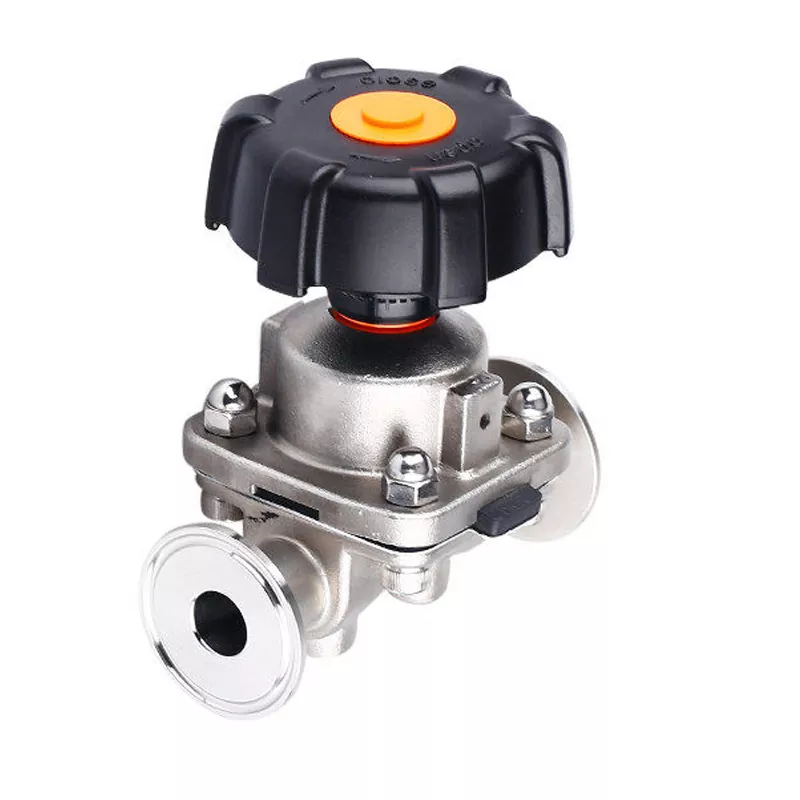
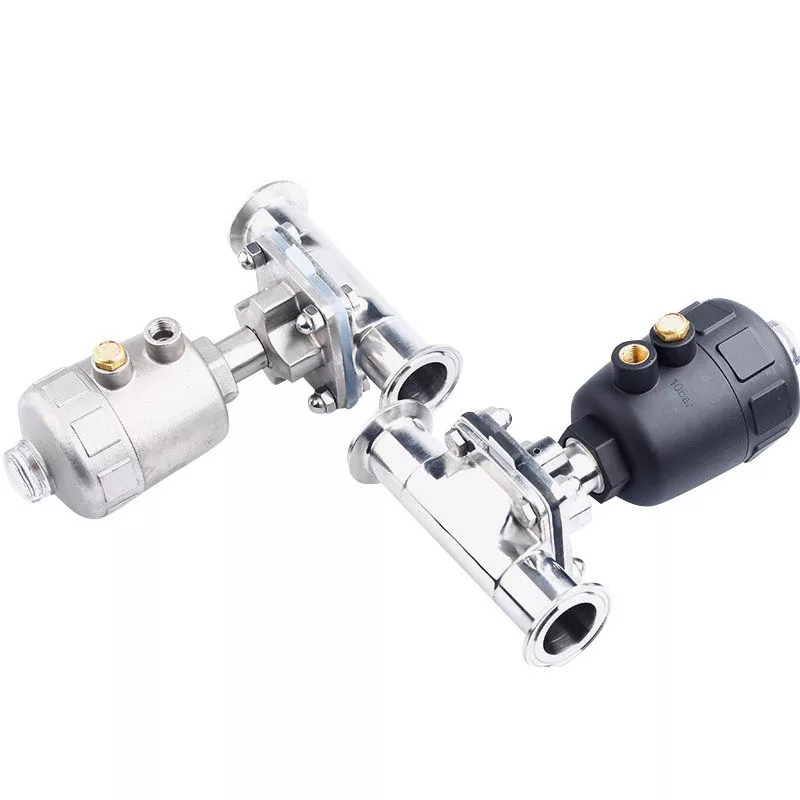
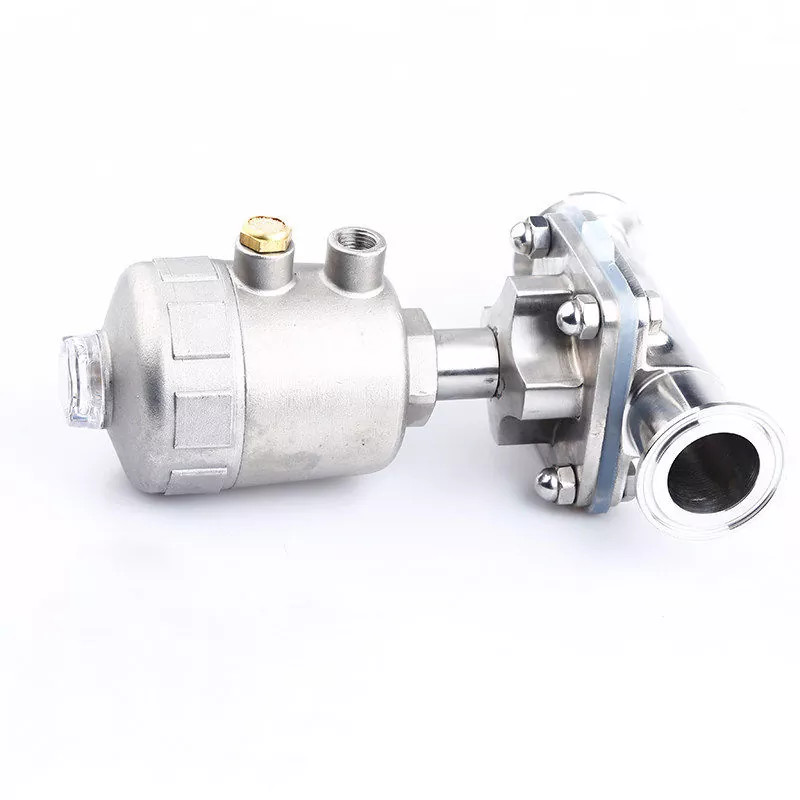
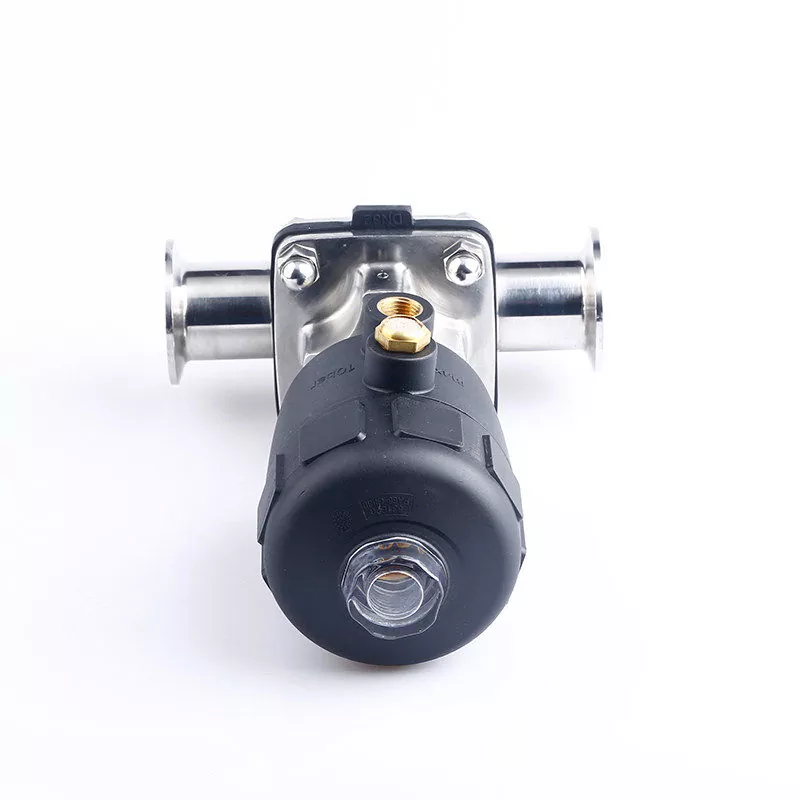
The DINGYUE pneumatic diaphragm valve is developed for process lines where accurate flow adjustment and strict cleanliness are equally important. Driven by a pneumatic actuator, it enables automatic opening and closing while maintaining smooth media control without manual operation. The stainless steel construction, hygienic diaphragm design, and easy-to-maintain structure make it suitable for sterile processing equipment, CIP systems, and high-purity cooling loops in advanced facilities. Each valve is manufactured under strict quality control to support consistent performance in demanding industrial environments.
|
Parameter |
Specification Details |
|
Product Name |
Sanitary Pneumatic Diaphragm Valve |
|
Actuator Type |
Pneumatic (Stainless Steel or Plastic Actuator available) |
|
Control Mode |
Spring Return (NC/NO) or Double Acting |
|
Connection Type |
Tri-Clamp / Welded / Threaded |
|
Body Material |
Stainless Steel 316L / 304 |
|
Diaphragm Material |
EPDM / PTFE+EPDM (High temperature & chemical resistant) |
|
Size Range |
1/2" to 4" (DN15 - DN100) |
|
Max Operating Pressure |
10 Bar (145 PSI) for valve body; 6 Bar for actuator |
|
Working Temperature |
-10°C to +130°C (EPDM), Up to +150°C (PTFE, sterilization short-term) |
|
Surface Finish |
Internal Ra < 0.4 µm (Electropolished available), External Ra < 0.8 µm |
|
Applicable Medium |
Food, Beverage, Dairy, Pharmacy, Bio-tech, and High-Purity Liquids |
A pneumatic actuator uses compressed air to control the opening and closing movement of a valve, replacing manual operation with automatic control. In a diaphragm valve system, the actuator generates the force required to move the diaphragm up or down, allowing precise fluid shut-off and flow regulation.
The working mechanism is based on three main components:
· Air Chamber – Receives compressed air and converts air pressure into mechanical force.
· Piston – Moves under air pressure to drive the valve stem.
· Spring Assembly – Provides return force in single-acting actuators.
For sanitary applications, the single-acting normally closed actuator is commonly selected because it provides automatic shut-off protection when the air supply is interrupted.
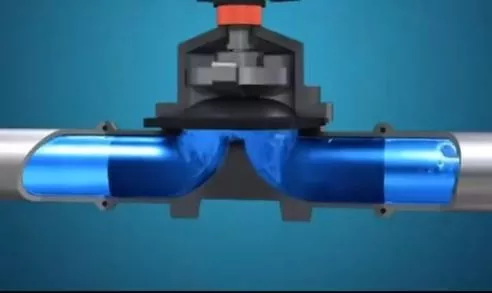
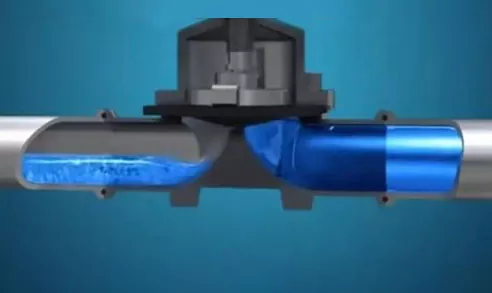
When compressed air is not supplied, the internal spring remains in its extended position and pushes the actuator stem downward.
The downward force presses the diaphragm tightly against the valve seat, keeping the pneumatic diaphragm valve closed and preventing media flow.
This normally closed (NC) design provides a fail-safe function. If the production line loses air pressure unexpectedly, the valve automatically returns to the closed position, helping prevent leakage, product loss, and contamination risks in sensitive processes.
When the control system sends an operating signal, compressed air enters the actuator chamber and creates pressure on the piston.
The air force pushes the piston upward while compressing the spring inside the actuator. As the piston moves, the connected stem lifts the diaphragm away from the sealing surface, allowing fluid to flow through the pipeline.
This automatic operation enables faster response, remote control, and consistent valve movement in production systems that require frequent cycling.
When the compressed air is released, the pressure inside the actuator chamber decreases.
Without air pressure holding the piston in position, the spring returns to its original state and pushes the piston and stem downward. The diaphragm moves back onto the valve seat, closing the valve and stopping fluid flow.
This automatic reset function ensures the valve returns to a safe closed position after each operation cycle.
A double-acting actuator operates differently from a spring-return design. Instead of using a return spring, it relies on compressed air supplied to both sides of the piston.
· Opening: Air enters the lower chamber and pushes the piston upward to open the valve.
· Closing: Air enters the upper chamber and pushes the piston downward to close the valve.
Because both movements are powered by air pressure, double-acting actuators can provide faster opening and closing speeds without the resistance of a spring. They are suitable for automated systems where continuous air supply is available and rapid valve response is required.
Single-acting actuators are preferred for sanitary processes where safety shutdown is important, while double-acting actuators are often chosen for high-frequency automation requiring faster operation.
The right actuator selection depends on factors such as system design, air availability, operating frequency, and process safety requirements.
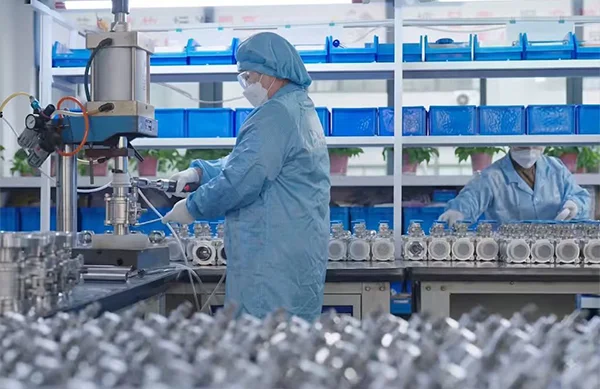
· Precision Forging: We use high-quality stainless steel to forge the pneumatic diaphragm valve body.
· High-Precision Machining: We use CNC machines to shape the flow path and polish the inner surface to a mirror finish. This creates a dead-leg free design that is easy to clean.
· Diaphragm Production: The "heart" of the pneumatic diaphragm valve is a composite diaphragm (PTFE + Rubber). It is designed to be chemical resistant and very flexible for long-term use.
· Strict Testing: All parts are assembled in a clean room and pass high-pressure tests to ensure zero leakage.
In a sanitary fluid system, valves do much more than simply start or stop the flow. Different production processes involve different media characteristics, hygiene requirements, pressure conditions, and cleaning procedures. A valve suitable for sterile pharmaceutical production may not be the right choice for a beverage transfer line or a high-viscosity product system.
This is why industries use different sanitary valve designs. Each structure is developed to solve specific process challenges, balancing cleanliness, flow efficiency, maintenance requirements, and operating reliability.
In pharmaceutical, biotechnology, and other high-purity processes, preventing contamination is the first priority. Sanitary diaphragm valves are designed for these applications where even small amounts of retained media can affect product quality.
The diaphragm creates a sealed separation between the valve mechanism and the process fluid. This structure reduces areas where liquid can remain trapped and makes the valve easier to clean through CIP or SIP procedures. For sterile media transfer, purified water systems, and sensitive biological processes, diaphragm valves provide a reliable solution for maintaining process integrity.
Compared with other valve designs, diaphragm valves are generally preferred for cleanliness rather than heavy-duty flow handling. They are more suitable for moderate pressure conditions and applications where hygiene control is more important than maximum flow capacity.
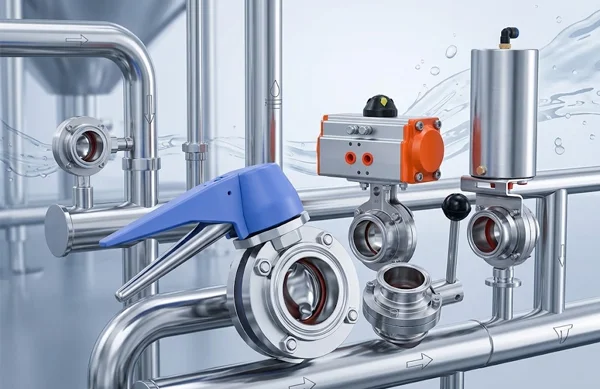
Food, beverage, and dairy production lines often require the movement of large quantities of liquid through pipelines every day. In these applications, sanitary butterfly valves are widely used because they provide efficient flow control with a simple and compact structure.
The lightweight design makes them practical for larger pipe sizes, while the quick quarter-turn operation allows fast opening and closing during production and cleaning cycles. They are commonly installed on storage tanks, transfer pipelines, and CIP systems where reliable operation and easy maintenance are important.
Compared with diaphragm valves, butterfly valves offer a more economical choice for large-diameter sanitary piping. However, the disc remains inside the flow passage during operation, which can create slight flow resistance. For ultra-pure applications that require the lowest possible risk of fluid retention, other valve designs may be more suitable.
Not all sanitary systems handle low-viscosity liquids such as water. Many food and industrial processes involve thicker products, including syrups, sauces, concentrates, and other viscous materials that require smooth and unrestricted flow.
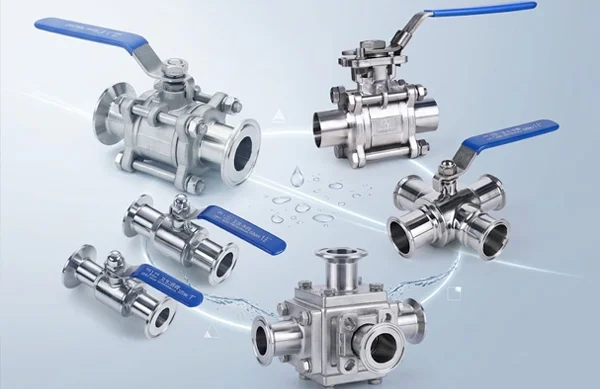
Sanitary ball valves are designed with a full-port flow path that allows media to pass through with minimal pressure loss when fully opened. This makes them suitable for applications where maintaining flow efficiency and handling thicker materials are important considerations.
Compared with butterfly valves, ball valves provide a more open flow channel and better performance for demanding media transfer. However, traditional ball valve structures may contain internal cavities where residual fluid can collect. For strict hygienic applications, proper valve design, surface finishing, and cleaning procedures are essential to maintain system cleanliness.
The right sanitary valve depends on the actual requirements of the process, including the type of media, cleanliness level, pipeline size, operating pressure, and cleaning method.
· Pharmaceutical and bioprocessing systems usually prioritize contamination prevention and sterile operation.
· Food, beverage, and dairy lines often require efficient flow control for large-volume transfer.
· High-viscosity products may require valves with smoother and less restricted flow paths.
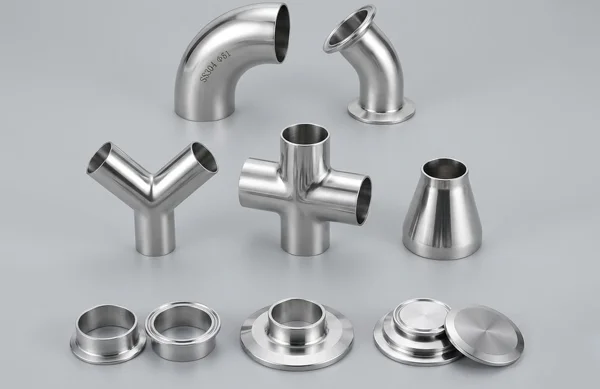
DINGYUE provides a complete range of sanitary valve solutions, including sanitary butterfly valves, sanitary ball valves, and hygienic diaphragm valves, helping customers select suitable flow control equipment for pharmaceutical, food processing, semiconductor, and liquid cooling applications.
Address
Building 1, No. 505, Binhai Erdao, Xinghai Subdistrict, Longwan District, Wenzhou City, Zhejiang Province, China.