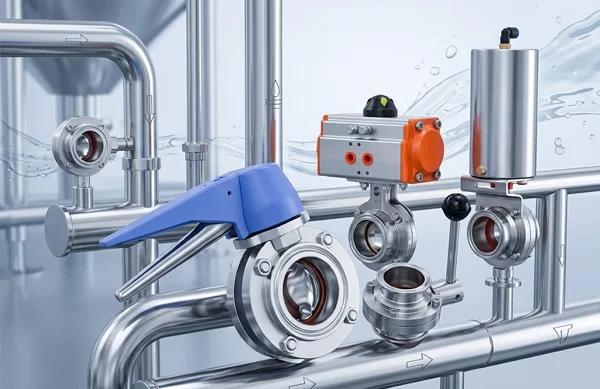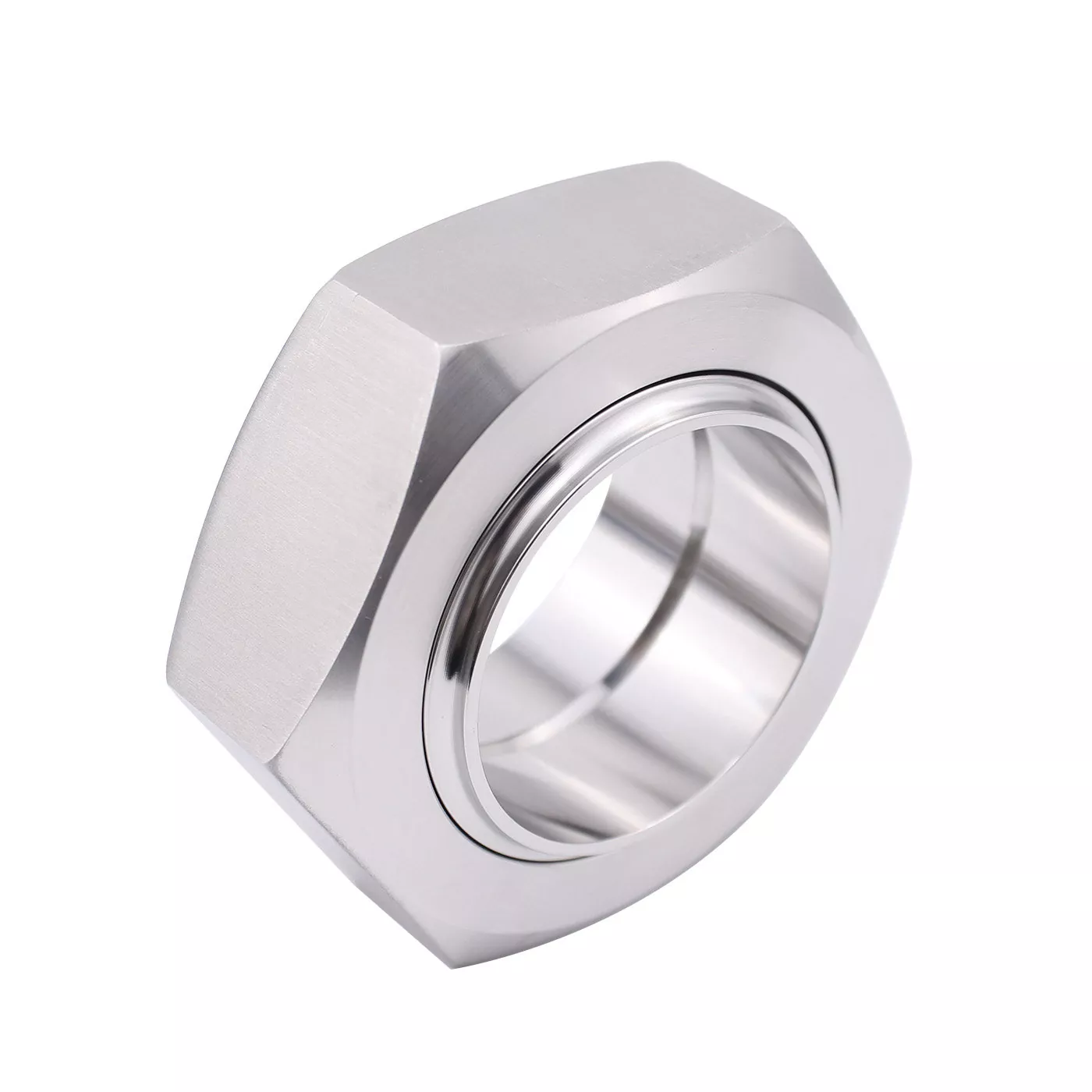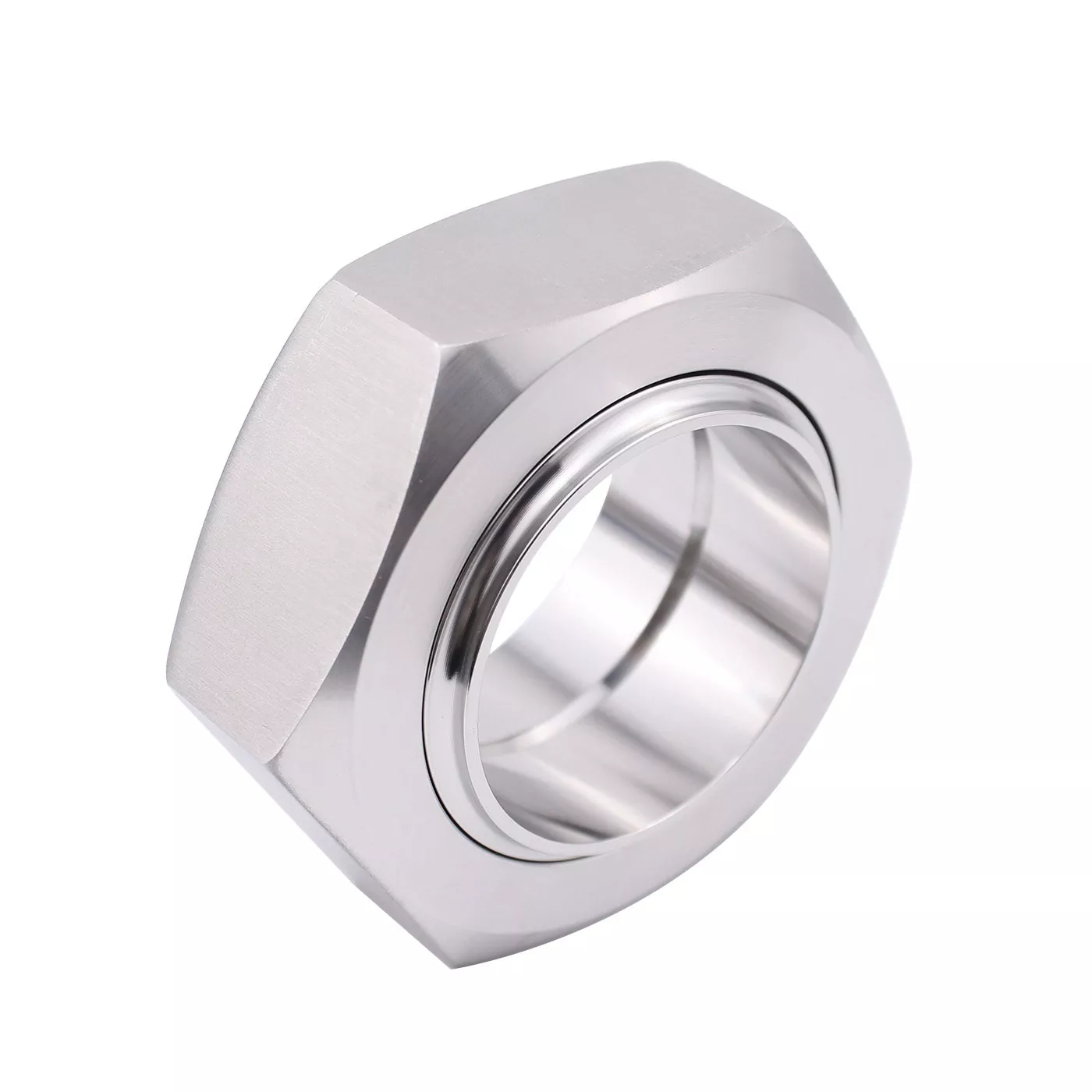
For food, beverage, and pharmaceutical processing systems, selecting the right pipe connection is essential for maintaining hygiene and operational reliability. DINGYUE supplies 3A Sanitary Stainless Steel Union Fittings in 304 and 316L stainless steel, helping manufacturers build detachable piping connections that support inspection, cleaning, and routine maintenance.
3A Sanitary Stainless Steel Union Fittings are designed for hygienic process piping where secure connections, corrosion resistance, and maintenance accessibility matter. Their detachable construction allows operators to inspect or replace components without cutting permanent pipe joints. This guide explains their structure, material options, sealing considerations, application scenarios, and selection criteria. It also compares common stainless steel grades and gasket materials to help engineers, maintenance teams, and purchasing professionals specify suitable fittings for their systems.
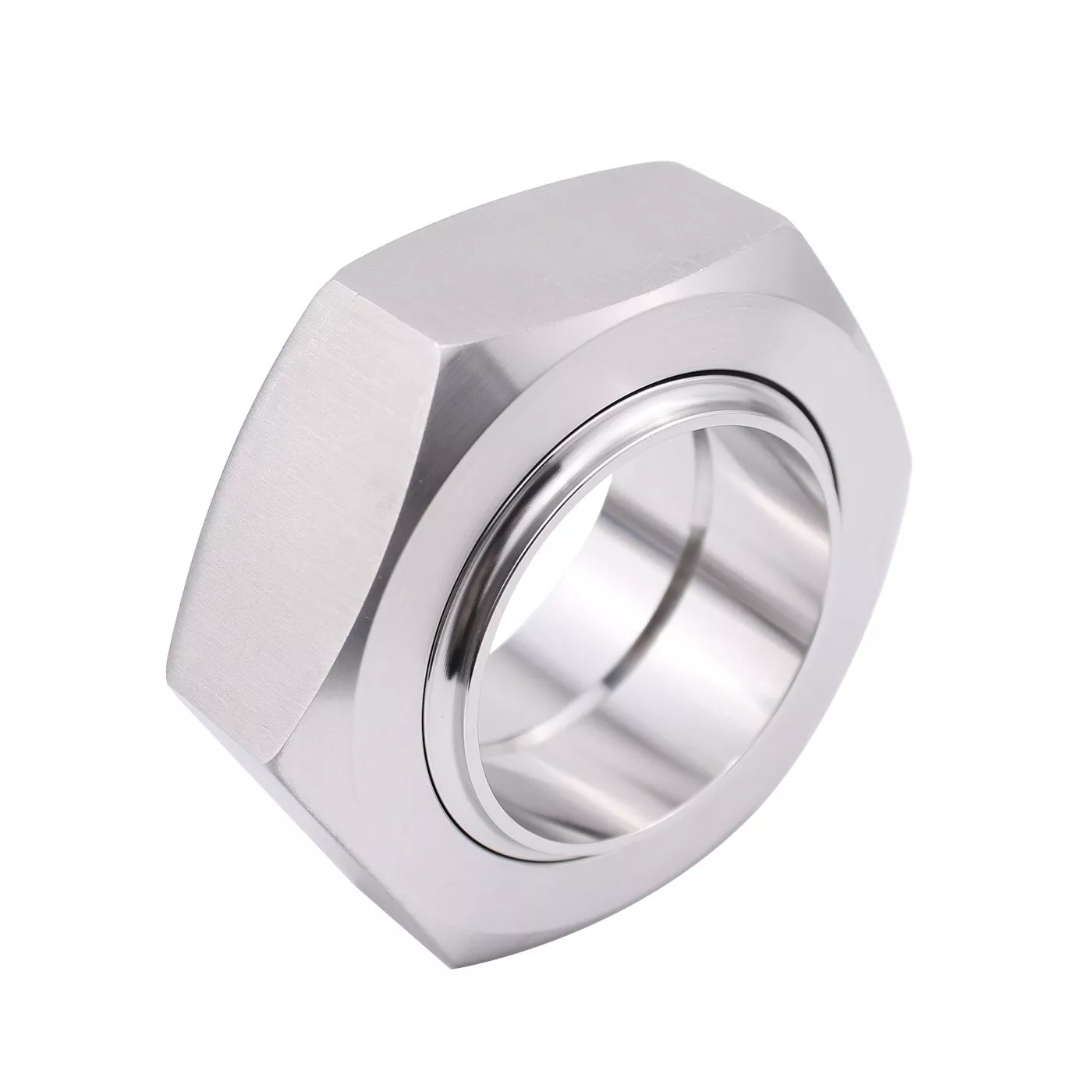
3A Sanitary Stainless Steel Union Fittings are detachable pipe connectors designed for hygienic fluid-processing systems. They are used to connect compatible tubing sections and equipment while allowing the connection to be opened when inspection, maintenance, or component replacement is necessary.
The term “3A” refers to the 3-A Sanitary Standards framework associated with hygienic equipment design. Buyers should distinguish between a fitting designed to a relevant standard and a product or manufacturer holding a specific third-party certification. Compliance claims should always be verified against the applicable standard, product configuration, and supporting documentation.
Unlike a permanently welded joint, a union can be disassembled without cutting the pipeline. This makes it useful around pumps, tanks, valves, and other equipment that may need periodic servicing.
Common advantages include:
For more product information, explore DINGYUE's 3A sanitary union fitting range.
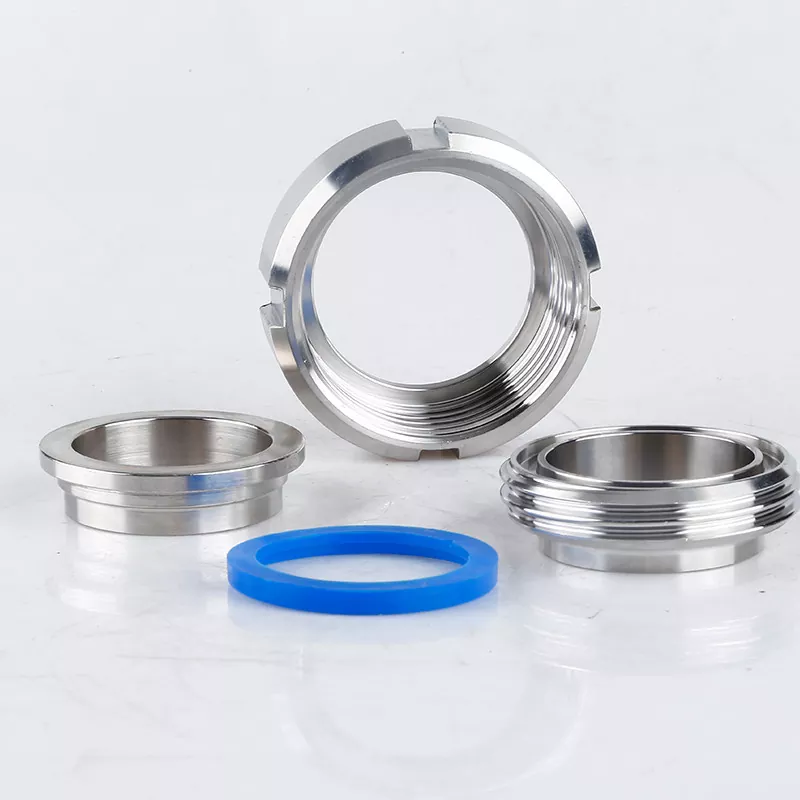
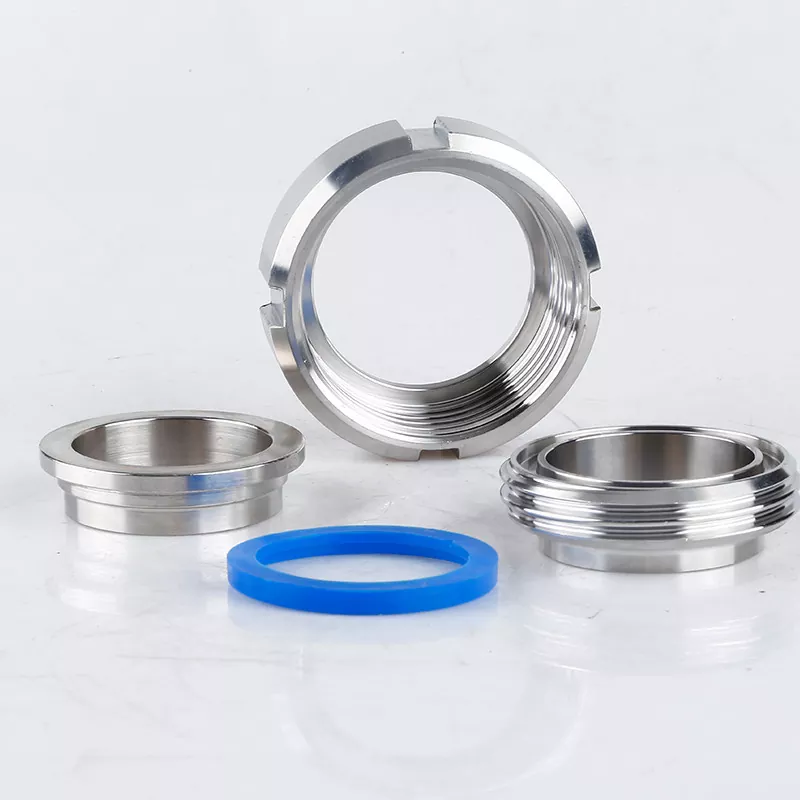
A typical 3A sanitary union assembly uses mating metal components and a suitable sealing arrangement. Depending on the specific design, the assembly may include a threaded nut, a male part, a liner, and a gasket or compatible sealing seat.
Exact component geometry depends on the union design. Buyers should not assume that every 3A configuration uses the same gasket arrangement or that parts from different sanitary standards are interchangeable.
When properly selected, installed, and maintained, the connection can provide dependable service while preserving access to equipment during routine maintenance. Correct dimensions, surface condition, sealing compatibility, and tightening procedures all contribute to performance.
Material selection influences corrosion resistance, service life, maintenance requirements, and overall system cost. DINGYUE offers 304 and 316L stainless steel options for its 3A sanitary union fittings, allowing buyers to evaluate the material against their actual process conditions.
304 stainless steel is widely used in general food and beverage equipment. It offers useful corrosion resistance in many ordinary processing environments and can be a cost-effective option where the process medium and cleaning chemicals are compatible with the alloy.
Typical considerations include water-based products, beverage transfer, and general food-processing applications. Suitability still depends on chloride concentration, cleaning agents, operating temperature, and other exposure conditions.
316L stainless steel contains molybdenum and has a low carbon content. These characteristics generally improve its resistance to localized corrosion in environments where 304 may be less suitable.
It is frequently considered for pharmaceutical equipment, more demanding chemical exposure, and hygienic systems with challenging cleaning conditions. However, 316L alone does not guarantee suitability for every chemical or ensure that an entire system meets a particular sanitary requirement.
Before ordering, review the process medium, cleaning-in-place (CIP) chemicals, temperature range, and required material documentation. For demanding applications, consult a qualified materials or process engineer.
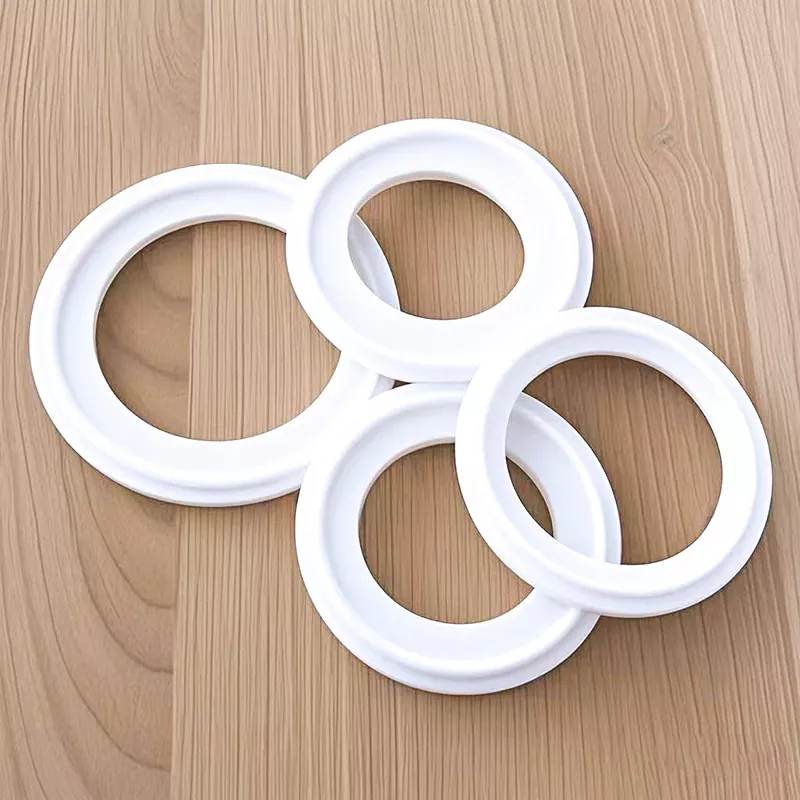
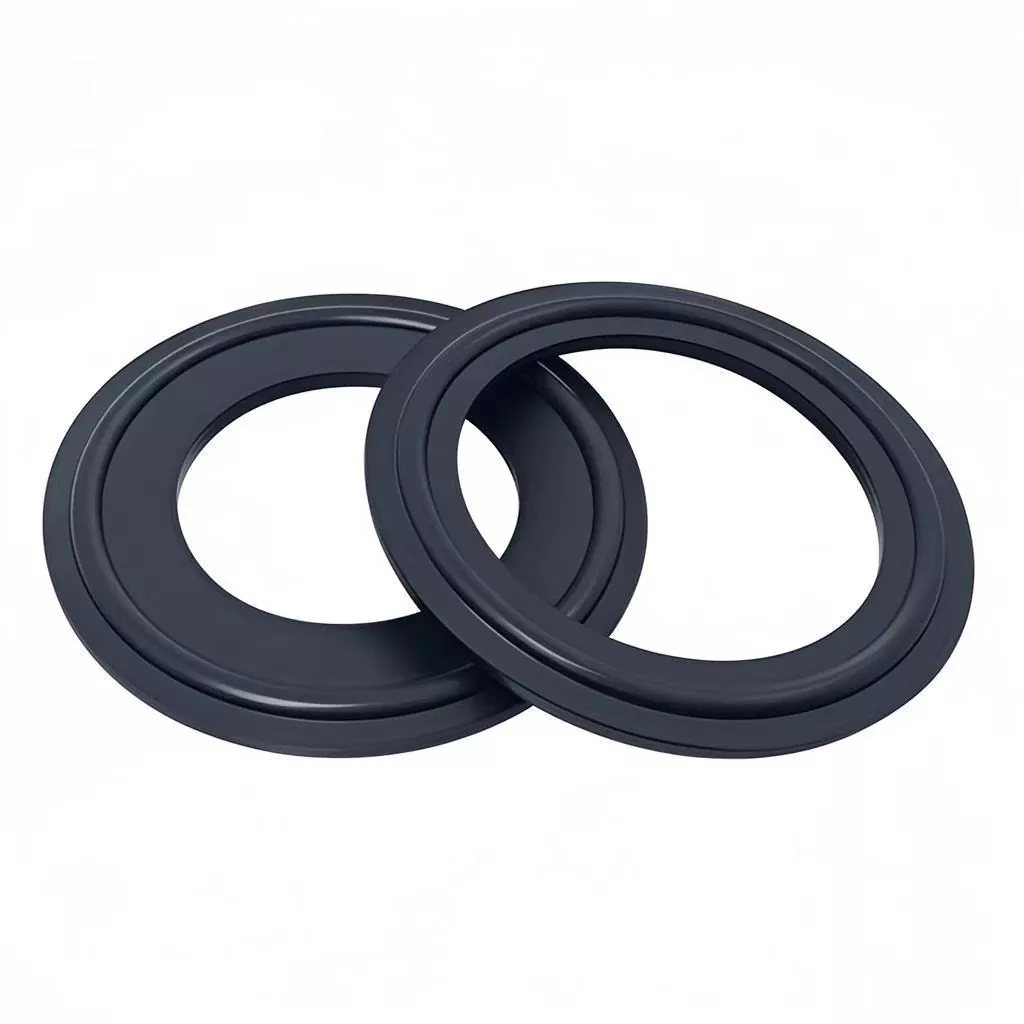
The gasket is a critical part of a sanitary connection. Even a well-machined stainless steel union can leak or become difficult to clean if its sealing material is incompatible with the process medium or if the gasket is damaged.
Depending on the configuration, available sealing materials may include EPDM, silicone, FKM, and PTFE. Their suitability varies according to chemical exposure, temperature, pressure, mechanical properties, and applicable food-contact requirements.
Do not choose a gasket solely by material name. Confirm the manufacturer's temperature and pressure limits, cleaning-cycle compatibility, and documentation for the intended application. Food-contact compliance should be verified for the exact material grade and formulation.
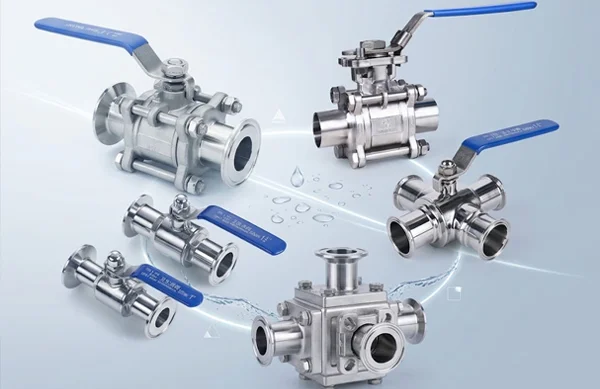
3A sanitary union fittings are useful wherever hygienic fluid handling and periodic access to pipe connections are important.
Dairy plants, beverage producers, breweries, and ingredient-processing facilities use sanitary connections in product transfer lines and equipment assemblies. Detachable unions can simplify maintenance around tanks, pumps, and valves.
Pharmaceutical and bioprocess systems require careful control of materials, cleaning procedures, and connection integrity. Stainless steel unions may be used in suitable process equipment and clean-fluid transfer systems when the complete installation meets the project's hygienic requirements.
Original equipment manufacturers integrate unions into skids, processing modules, tanks, and fluid-handling assemblies. Consistent dimensions and documented materials help reduce compatibility problems during assembly and replacement.
For related equipment, buyers can also review DINGYUE's sanitary stainless steel pipe fittings and sanitary gasket products.
Choosing a suitable fitting involves more than matching the nominal pipe size. Engineers and purchasing teams should confirm the connection geometry, operating conditions, and documentation before placing an order.
A complete specification reduces the risk of receiving parts that look similar but do not fit or seal reliably in the intended installation.
The following table summarizes key selection considerations. It is intended as a general engineering reference; final requirements must be confirmed against the exact product drawing and operating conditions.
| Selection Factor | Option or Consideration | Why It Matters |
|---|---|---|
| Stainless steel grade | 304 or 316L | Determines suitability for corrosion exposure and cleaning conditions. |
| Connection standard | 3A-compatible design | Helps establish dimensional and mating-interface compatibility. |
| Sealing material | EPDM, silicone, FKM, or PTFE, where offered | Must match process media, temperature, pressure, and compliance needs. |
| Connection design | Matching male part, liner, and nut | Supports correct assembly and reliable sealing. |
| Operating pressure | Specified for the exact assembly | Must remain within the verified rating at the operating temperature. |
| Surface condition | Finish specified by the application | Affects cleanability, inspection, and hygienic performance. |
| Documentation | Applicable material and conformity records | Supports traceability and purchasing verification. |
| Comparison | 304 Stainless Steel | 316L Stainless Steel |
|---|---|---|
| Typical use | General food and beverage processing | More demanding hygienic or corrosive environments |
| Corrosion resistance | Good for many common environments | Generally improved resistance to chloride-related localized corrosion |
| Cost consideration | Often the economical starting point | Typically costs more |
| Selection priority | Compatible media and cleaning conditions | Additional corrosion resistance where justified |
Neither grade should be selected on price alone. The appropriate choice depends on the actual environment, expected service life, and maintenance strategy.
Correct installation helps prevent leakage, premature gasket wear, and avoidable downtime. Follow the fitting manufacturer's instructions and the site's approved maintenance procedures.
Maintenance teams should monitor gasket condition, thread wear, surface damage, and signs of leakage. Replace worn sealing elements with compatible parts and investigate recurring failures rather than simply tightening the connection further.
Before opening a union, stop the process, isolate the relevant equipment, and verify that pressure and hazardous residual fluids have been safely controlled. Cleaning and reassembly should follow the site's validated hygiene procedures.
They connect compatible tubing and equipment in hygienic process piping. Their detachable construction supports inspection, maintenance, and replacement without cutting a permanently welded joint.
304 is commonly suitable for many general food and beverage applications. 316L is often preferred where greater corrosion resistance is needed. The final decision should account for the process medium, cleaning chemicals, temperature, and project specifications.
There is no single best gasket for every application. EPDM, silicone, FKM, and PTFE each have different performance characteristics. Select a material based on verified chemical compatibility, temperature and pressure limits, and applicable food-contact requirements.
Only when dimensional compatibility and sealing performance have been verified. Similar nominal sizes do not guarantee identical thread geometry, tolerances, or sealing interfaces. A matched assembly is generally the safer purchasing choice.
They may be suitable for specific pharmaceutical and bioprocess applications when their materials, surface condition, design, and documentation meet the system requirements. The fitting designation alone does not establish compliance with every pharmaceutical or sterile-processing requirement.
Provide the required standard, nominal size, stainless steel grade, gasket material, operating conditions, quantity, and any drawing or documentation requirements. For replacement orders, photographs and measurements of the existing components can help confirm compatibility.
Reliable hygienic piping depends on the correct combination of fitting geometry, stainless steel grade, sealing material, installation practices, and maintenance planning. 3A Sanitary Stainless Steel Union Fittings can provide practical access to process connections while supporting the cleaning and inspection requirements of food, beverage, and other hygienic production systems.
DINGYUE offers 304 and 316L stainless steel union options and gasket configurations for different system requirements. If you are sourcing fittings for a new project, replacing existing components, or standardizing sanitary connections across production equipment, review the product details and contact us with your specifications. Our team can help you clarify product compatibility, material selection, and documentation requirements so you can make a more informed purchasing decision.