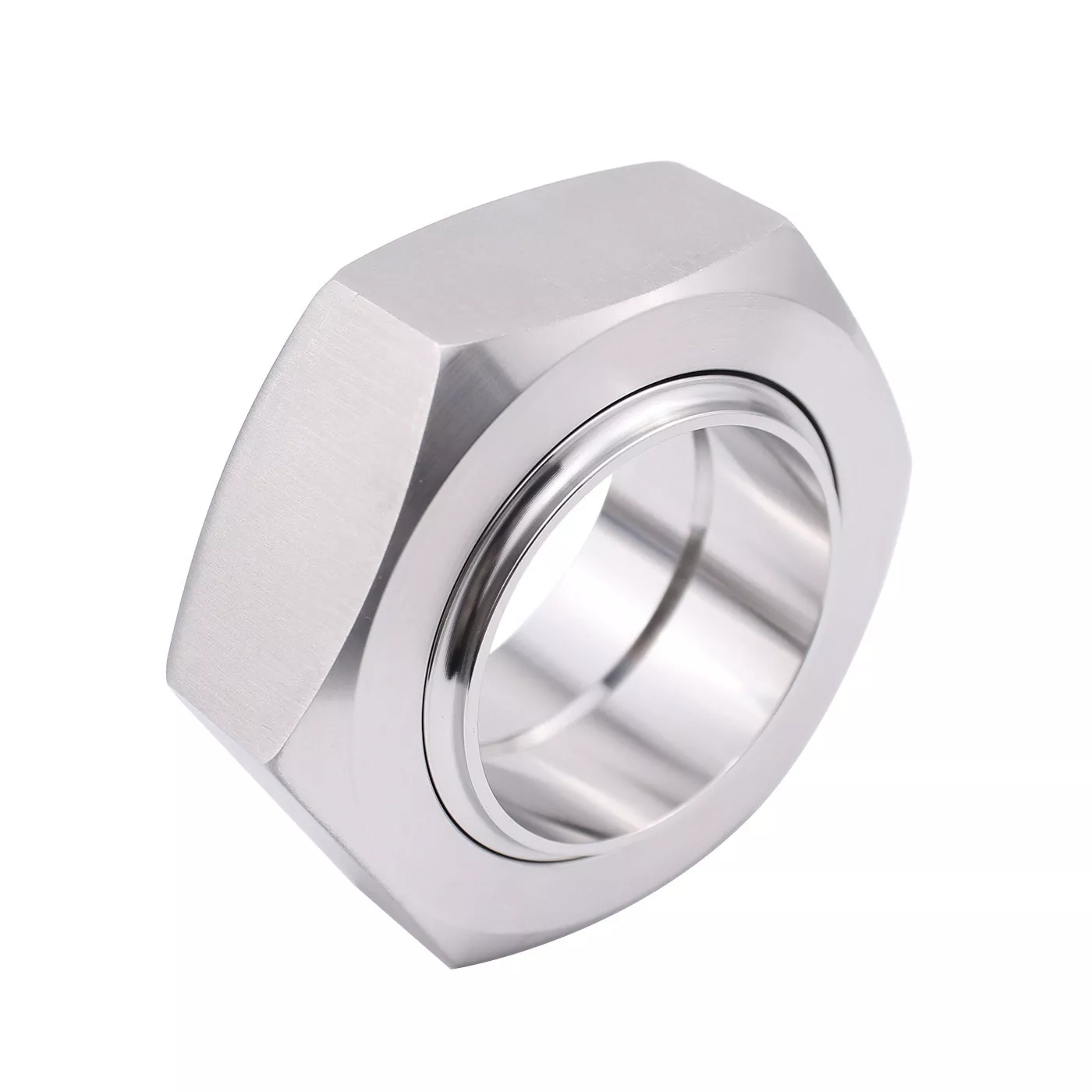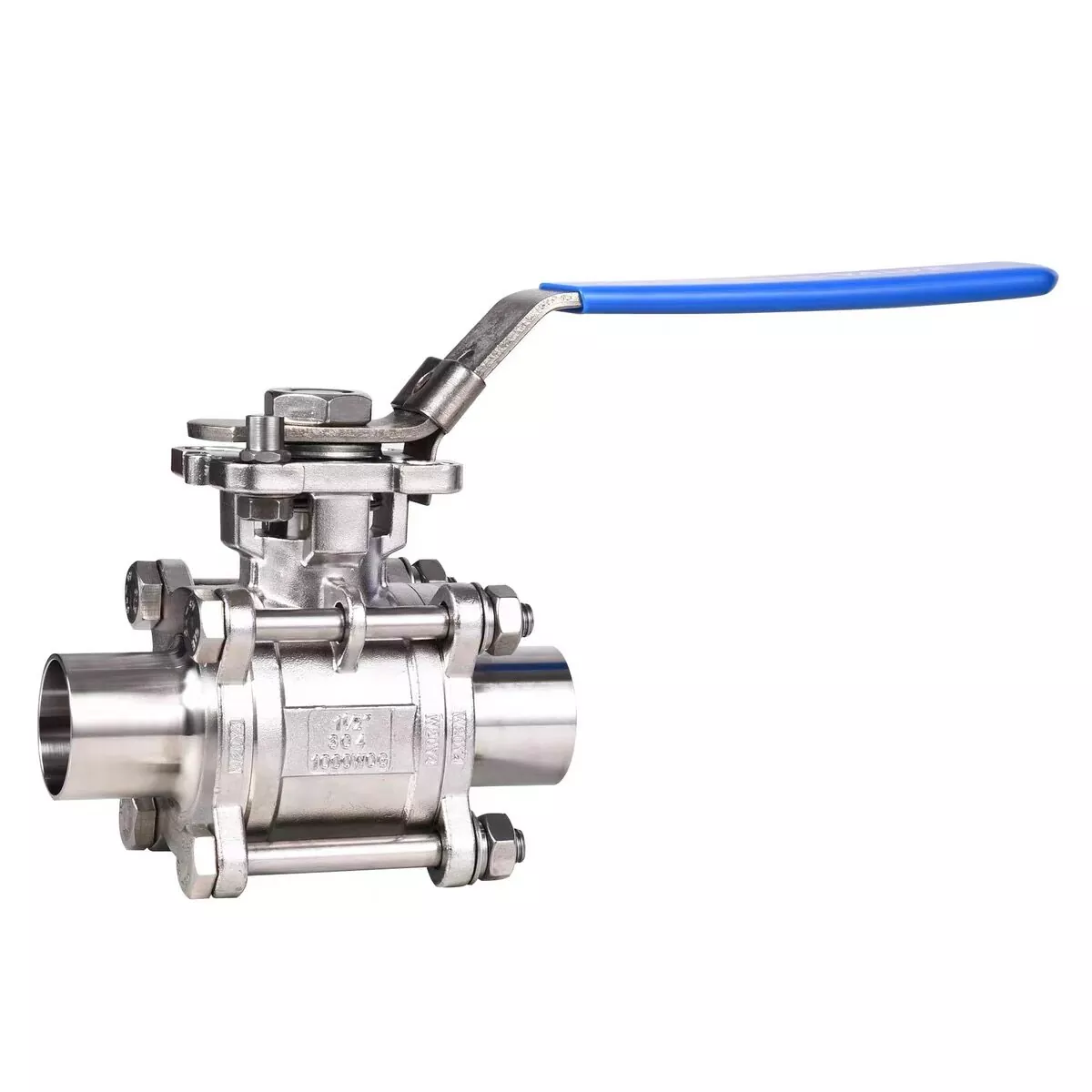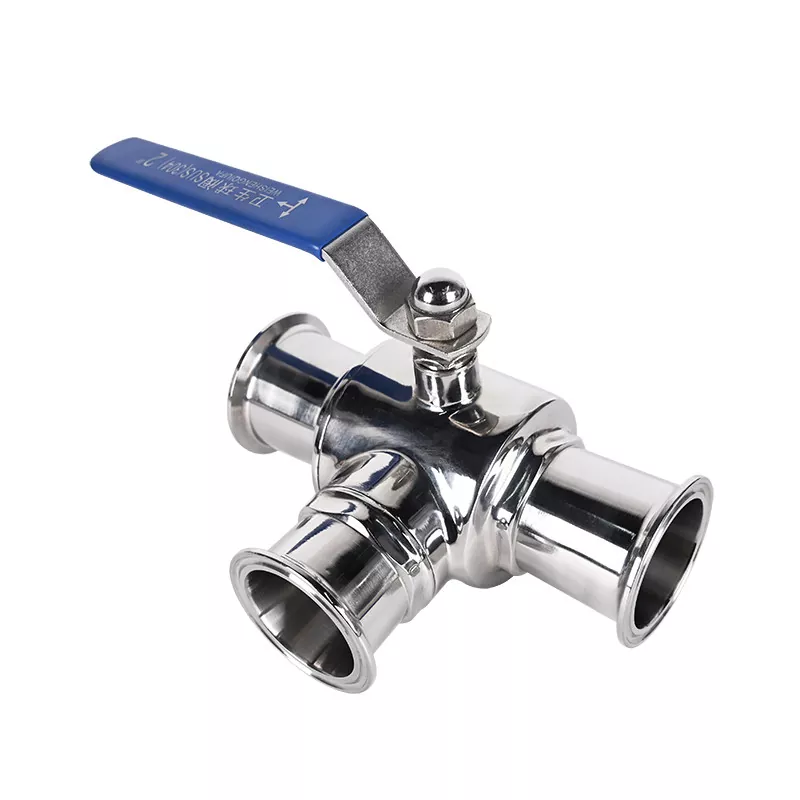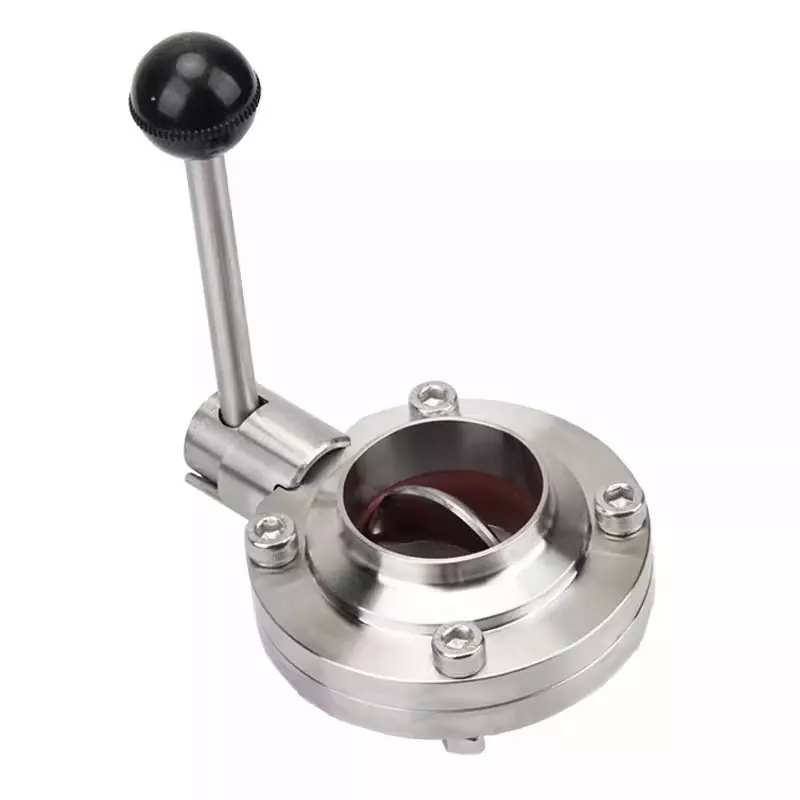

For food, dairy, beverage, and other hygienic fluid-processing applications, DINGYUE supplies SMS 1145 Sanitary Stainless Steel Union Sets designed for secure, cleanable, and service-friendly pipe connections. Manufactured from AISI 304 or 316L stainless steel, these union sets combine precise machining, hygienic geometry, and practical threaded assembly for demanding sanitary piping systems.
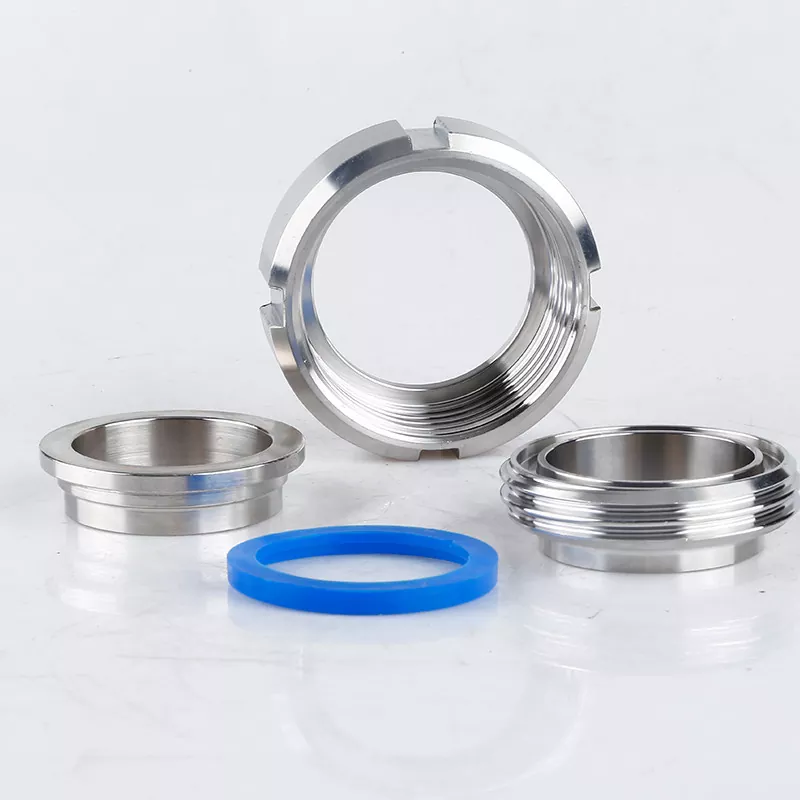
SMS 1145 sanitary unions are widely used where piping systems require reliable connections, efficient cleaning, and convenient maintenance. Based on the Swedish Metric Standard, these fittings typically consist of a slotted round nut, male threaded nipple, welding liner, and L-shaped elastomeric seal. Their compact construction helps simplify installation while the smooth internal transition reduces areas where residues or microorganisms can accumulate. Depending on process requirements, stainless steel grades and gasket materials can be selected for different media, temperatures, and chemical conditions. This guide explains their construction, technical characteristics, application areas, maintenance requirements, and key purchasing considerations so engineers, distributors, and processing-equipment buyers can make better-informed sourcing decisions.
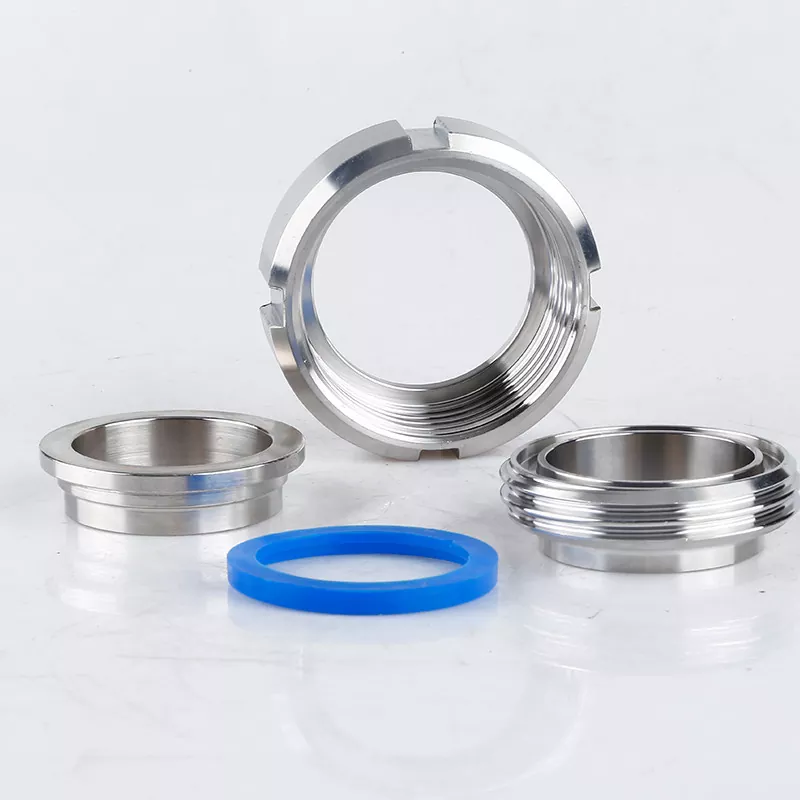
Table of Contents
- What Are SMS 1145 Sanitary Stainless Steel Union Sets?
- What Components Make Up an SMS 1145 Union?
- What Are the Key Technical Specifications?
- Why Choose SMS 1145 Sanitary Unions?
- Where Are SMS 1145 Union Sets Used?
- How Do SMS and DIN Sanitary Unions Differ?
- How Should Buyers Select the Right Union Set?
- How Should SMS Unions Be Installed and Maintained?
- What Manufacturing and Quality Factors Matter?
- Frequently Asked Questions
What Are SMS 1145 Sanitary Stainless Steel Union Sets?
SMS 1145 Sanitary Stainless Steel Union Sets are hygienic pipe connection assemblies developed according to the Swedish Metric Standard (SMS). They are commonly selected for sanitary process lines because they can be assembled and disassembled without cutting or permanently modifying the connected pipework.
A typical union consists of a slotted round nut, male threaded component, liner, and elastomeric sealing ring. When correctly assembled, the components form a secure connection while maintaining a relatively smooth internal fluid path.
This construction is particularly valuable in processing environments where piping must undergo frequent cleaning, inspection, product changeover, or maintenance. The removable design also makes the fitting practical for equipment integration and line modification.
For hygienic systems, connection geometry is more than a mechanical consideration. Smooth transitions can reduce turbulence and minimize crevices that could otherwise retain product residues, making appropriate sanitary fittings an important part of overall hygienic piping design.
What Components Make Up an SMS 1145 Union?
An SMS 1145 union is a coordinated assembly rather than a single piece of hardware. Each component contributes to mechanical connection, sealing, or hygienic performance.
- Slotted Round Nut: Provides the mechanical clamping force required to secure the union assembly.
- Male Threaded Nipple: Engages with the union nut and forms part of the threaded connection.
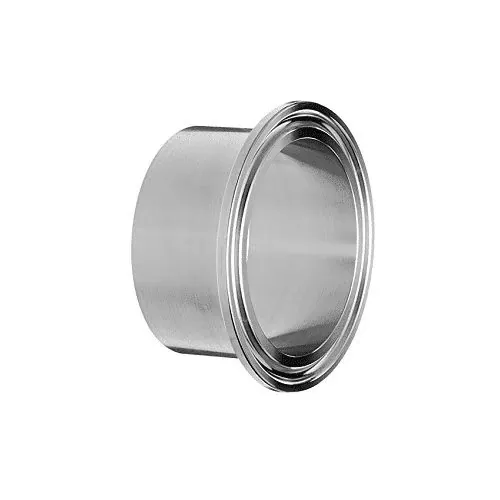
- Welding Liner: Provides the hygienic pipe interface and can be permanently welded into the process pipeline.
- L-Shaped Seal Ring: Creates the sanitary seal between mating components and helps prevent fluid leakage.
- Stainless Steel Body: Provides mechanical strength and corrosion resistance for demanding processing environments.
Because the seal is a replaceable component, routine gasket inspection can often be performed without removing the welded liner from the pipeline. This feature can reduce maintenance disruption and simplify scheduled servicing.
What Are the Key Technical Specifications?
Specification requirements should always be matched to the actual process conditions. Material grade, seal material, pressure, connection dimensions, and applicable certifications can all influence the final selection.
| Parameter | Typical Specification | Why It Matters |
|---|---|---|
| Material | AISI 304 / 316L Stainless Steel | Provides corrosion resistance and mechanical durability. |
| Dimensional Standard | SMS 1145 | Supports compatibility with corresponding SMS sanitary tubing systems. |
| Union Components | Nut, male thread, liner, seal ring | Creates a complete detachable sanitary connection. |
| Seal Options | EPDM, Silicone, FKM, PTFE | Allows selection according to media and process requirements. |
| Working Pressure | Up to 10 bar at ambient temperature | Provides a reference point for system design and application matching. |
| Documentation | EN 10204 3.1 MTC, 3-A, PED/CE options | Supports traceability and project-specific compliance requirements. |
Actual operating limits depend on the complete assembly, seal material, temperature, medium, installation conditions, and applicable engineering requirements. Buyers should confirm the required specification before ordering.
Why Choose SMS 1145 Sanitary Unions?
Sanitary piping connections must balance sealing reliability, hygienic performance, installation convenience, and maintenance efficiency. SMS union designs address these requirements through a compact detachable configuration.
Hygienic Internal Geometry
The mating structure is designed to provide a relatively smooth transition between connected pipe sections. Properly installed sanitary connections help reduce residue retention and simplify cleaning procedures.
Convenient Disassembly
The threaded union mechanism allows authorized maintenance personnel to disconnect the fitting without cutting the pipeline. This can be useful during equipment replacement, line inspection, and process modifications.
Corrosion-Resistant Construction
AISI 304 stainless steel is suitable for many general sanitary applications, while 316L can provide improved corrosion resistance for more demanding environments. The correct grade should be selected according to the process medium and cleaning regime.
Flexible Sealing Options
Different elastomers and sealing materials can be considered according to chemical compatibility, temperature, regulatory requirements, and process conditions. For food-contact applications, buyers should verify that the selected gasket complies with the required regulations.
Where Are SMS 1145 Union Sets Used?
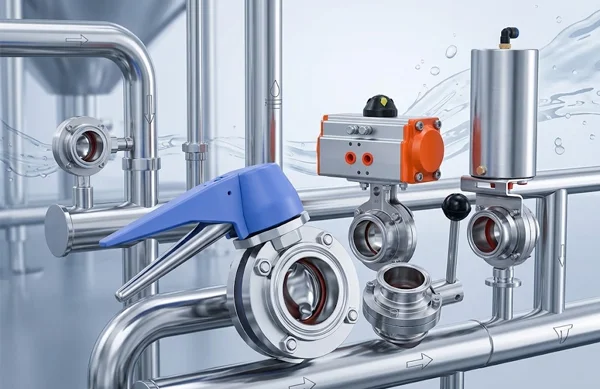
SMS sanitary unions are particularly relevant to processing systems where cleanliness and serviceability are important. Common application areas include:
- Dairy and Ice Cream Processing: Used around pasteurization loops, milk handling systems, cream processing equipment, and storage tanks.
- Brewing and Beverage Production: Suitable for process lines, transfer systems, brewing equipment, and beverage skids.
- Food Processing: Applied to pipelines handling sauces, syrup, liquid egg, edible oils, and other liquid food products.
- Personal Care and Cosmetics: Used in hygienic liquid handling systems for products such as shampoo, liquid soap, and creams.
- OEM Processing Equipment: Useful for machinery manufacturers that require detachable sanitary connections during equipment assembly and servicing.
In applications involving frequent CIP cleaning, repeated product changeovers, or regular equipment maintenance, a detachable union can provide practical advantages over permanently welded connections at selected service points.
How Do SMS and DIN Sanitary Unions Differ?
SMS and DIN sanitary unions are both established connection systems, but their dimensional standards and component geometries are different. They should not be treated as automatically interchangeable.
| Feature | SMS Union | DIN Union |
|---|---|---|
| Standard | Swedish Metric Standard | DIN 11851 |
| Thread Configuration | SMS thread profile | DIN metric/Rd-style configuration |
| Seal Design | Flat/L-shaped sanitary seal | D-section or stepped seal design |
| Liner Interface | Flat mating face | Conical mating face |
| Typical Use | Dairy and hygienic process systems | Process and industrial sanitary piping |
When replacing an existing fitting, buyers should verify the original standard, tubing dimensions, thread configuration, liner geometry, and gasket design instead of selecting a union based only on nominal pipe size.
How Should Buyers Select the Right Union Set?
Choosing a sanitary union should begin with the actual operating environment rather than simply the purchase price. A structured specification review can prevent compatibility and maintenance problems later.
- Confirm the Standard: Verify that the pipeline requires SMS 1145 rather than DIN, ISO, or another sanitary connection standard.
- Select the Stainless Steel Grade: Consider whether 304 or 316L is more appropriate for the fluid, cleaning chemicals, and environmental conditions.
- Check Tubing Dimensions: Confirm outside diameter, wall thickness, and connection size before ordering.
- Choose the Correct Gasket: Match EPDM, silicone, FKM, PTFE, or another approved sealing material with the process medium and temperature.
- Review Pressure and Temperature: Ensure the complete connection assembly is suitable for actual operating and cleaning conditions.
- Verify Documentation: For regulated or traceable projects, determine whether material certificates, hygienic approvals, or pressure-equipment documentation are required.
- Evaluate Supplier Capability: Look for controlled machining, dimensional inspection, material traceability, and appropriate packaging.
How Should SMS Unions Be Installed and Maintained?
Correct installation has a direct influence on sealing performance and service life. Even a precision-manufactured sanitary union can experience leakage or thread damage when improperly aligned or over-tightened.
Installation Considerations
- Clean the mating surfaces before assembly.
- Inspect the gasket for cuts, deformation, contamination, or other visible damage.
- Align the male component and liner axially before tightening.
- Engage the threaded components carefully to avoid cross-threading.
- Use an appropriate SMS hook spanner or approved installation tool.
- Avoid excessive tightening that could damage the thread or seal.
Routine Maintenance
During scheduled plant maintenance, inspect the gasket for swelling, hardening, cracking, or loss of elasticity. Threads should also be checked for wear or damage. Replacing worn sealing components at appropriate intervals can help maintain connection reliability.
For CIP and hygienic processing environments, cleaning procedures should be compatible with the selected stainless steel and gasket materials. The complete process system should be validated according to the facility's applicable procedures.
What Manufacturing and Quality Factors Matter?
The performance of a sanitary union depends not only on its basic material grade but also on dimensional accuracy, surface condition, thread quality, and sealing consistency. These factors are especially important when fittings are installed in automated or high-throughput processing lines.
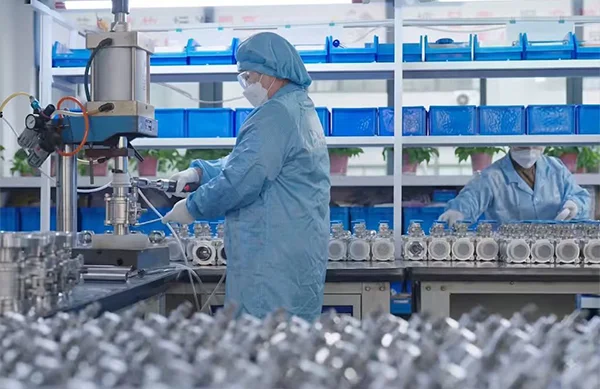
DINGYUE states that its SMS 1145 sanitary union sets are CNC-machined from forged stainless steel and undergo thread gauge testing, dimensional verification, and surface roughness inspection. Protective thread covers and scratch-resistant packaging are also used to help preserve fitting condition during transportation and installation.
For projects requiring documented traceability, material documentation such as an EN 10204 3.1 Material Test Certificate can provide useful information about the supplied material. Buyers should confirm the exact certificates and approvals required for their specific application before placing an order.
For additional sanitary piping components, buyers can also explore sanitary stainless steel pipe fittings and related sanitary pipe unions when designing a complete hygienic fluid-handling system.
Frequently Asked Questions
What is an SMS 1145 sanitary union?
An SMS 1145 sanitary union is a detachable hygienic pipe connection based on the Swedish Metric Standard. A typical assembly includes a slotted nut, male threaded nipple, welding liner, and sanitary sealing ring.
Are SMS unions suitable for dairy processing?
Yes. SMS sanitary unions are commonly used in dairy and food-processing piping because their detachable design supports maintenance, cleaning, and process-line modification.
What stainless steel is commonly used for SMS sanitary unions?
AISI 304 and 316L stainless steel are common material options. The appropriate grade depends on the fluid, cleaning chemicals, temperature, corrosion conditions, and applicable sanitary requirements.
Can the SMS union gasket be replaced without welding work?
In a correctly configured system, the union nut can be loosened to separate the connection while the welded liner remains attached to the pipe. This allows the removable gasket to be inspected or replaced without cutting the welded pipe section.
How do I choose between EPDM, silicone, FKM, and PTFE seals?
The selection should be based on chemical compatibility, operating and cleaning temperatures, product-contact requirements, and regulatory specifications. The gasket supplier should confirm suitability for the actual process conditions.
Can SMS and DIN sanitary unions be used interchangeably?
Not automatically. SMS and DIN unions use different dimensional and component configurations. Before replacement, verify the applicable standard, tubing dimensions, thread, liner geometry, and gasket design.
Build More Reliable Hygienic Connections with the Right SMS Union
Reliable sanitary piping begins with components that match the process, connection standard, material requirements, and maintenance strategy. SMS 1145 Sanitary Stainless Steel Union Sets provide a practical combination of hygienic connection design, detachable assembly, stainless steel durability, and flexible sealing options for food, dairy, beverage, cosmetic, and other sanitary fluid-processing systems.
Whether you are sourcing replacement fittings, planning a new processing line, or developing OEM equipment, DINGYUE can support sanitary connection requirements with stainless steel union assemblies, material traceability, customized solutions, and technical assistance. Contact us to discuss your SMS 1145 specifications, required sizes, gasket materials, documentation, and project requirements, and request a suitable quotation for your application.