In modern sanitary processing and industrial fluid handling systems, selecting the right sealing component is essential for preventing leakage, maintaining product purity, and reducing maintenance costs. DINGYUE, a professional manufacturer of sanitary fluid equipment and components, provides the Viton Clamp Gasket as a reliable sealing solution for demanding applications involving aggressive chemicals, oils, solvents, and elevated operating temperatures. Manufactured from fluorocarbon elastomer (FKM), this gasket combines excellent chemical resistance, thermal stability, and mechanical durability to support dependable performance in industrial processing environments.
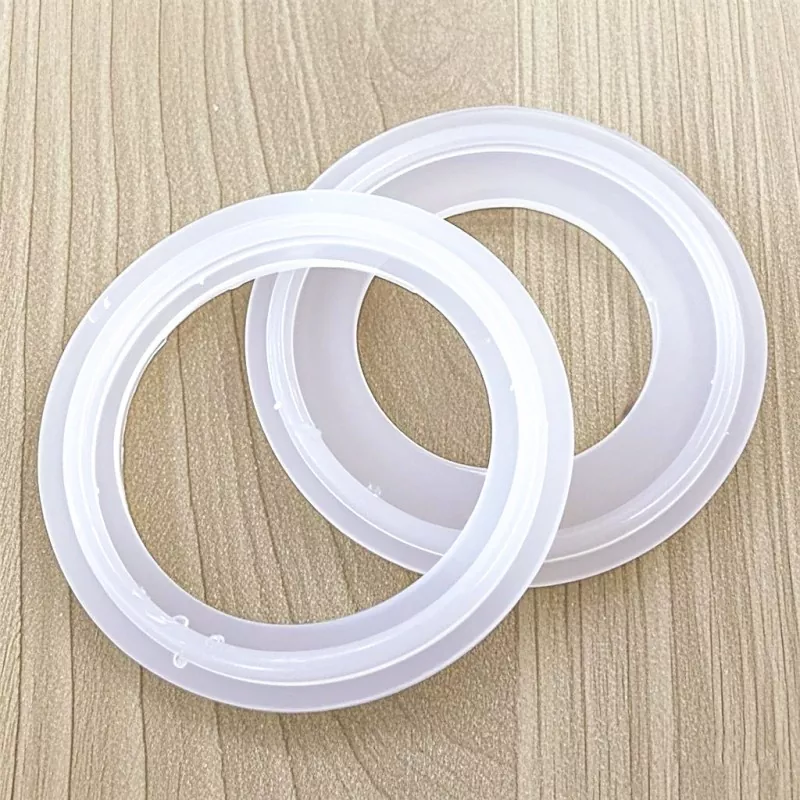
A Viton Clamp Gasket is a high-performance sanitary sealing component manufactured from fluorocarbon rubber (FKM), commonly known as Viton. It is designed for clamp-connected piping systems that require reliable resistance to oils, fuels, solvents, and various aggressive processing chemicals. Compared with conventional elastomer gaskets, Viton offers excellent thermal stability and resistance to chemical degradation in suitable operating environments.
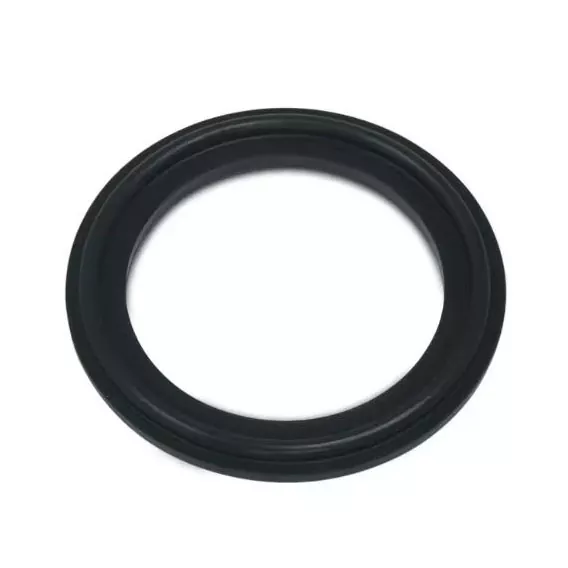
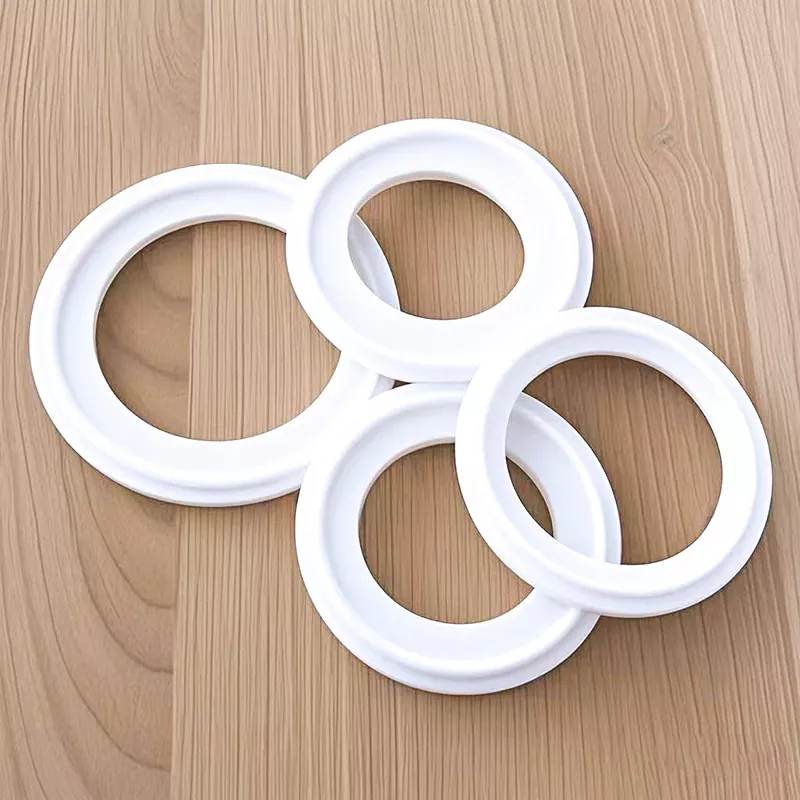
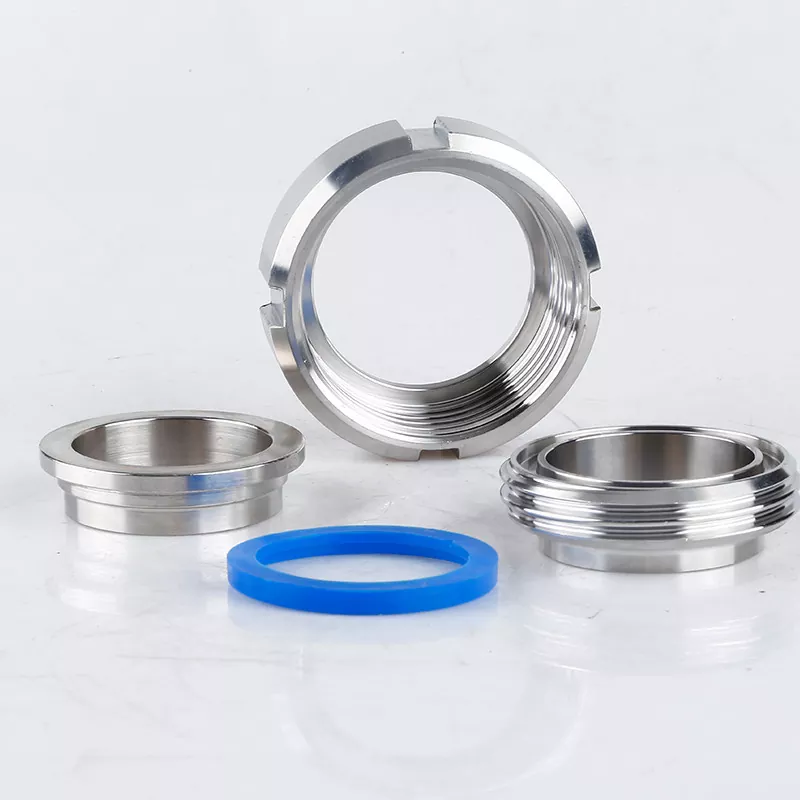
A Viton Clamp Gasket is a specialized sealing component made from fluorocarbon elastomer (FKM). It is commonly installed between two sanitary ferrules and secured using a stainless steel clamp assembly. When the clamp is tightened, the gasket is compressed between the mating surfaces to create a secure sealing connection.
Unlike ordinary rubber sealing materials, Viton is specifically valued for its resistance to petroleum-based substances, oils, fuels, and many organic solvents. These properties make it suitable for industrial environments where conventional elastomers may experience swelling, cracking, hardening, or premature deterioration.
The basic components of a sanitary clamp connection include:
Viton clamp gaskets are available in different configurations and dimensions to accommodate various sanitary piping systems. Depending on project requirements, manufacturers can also provide flange gaskets, O-rings, and customized molded sealing profiles.
For processing facilities that require dependable sealing under demanding chemical conditions, selecting the correct FKM gasket helps improve operational reliability and reduce unplanned maintenance.
The performance of a Viton Clamp Gasket is primarily determined by its fluorocarbon elastomer composition. Its molecular structure provides several advantages that make it suitable for challenging industrial sealing applications.
One of the most important advantages of Viton is its resistance to numerous aggressive industrial substances. It performs particularly well in contact with petroleum oils, fuels, aromatic hydrocarbons, and many organic solvents.
This characteristic helps reduce material degradation, swelling, and leakage risks in chemical processing and fluid transportation systems. However, compatibility must always be evaluated against the actual chemical concentration, temperature, exposure duration, and operating conditions.
Many conventional rubber materials lose their mechanical properties when exposed to elevated temperatures for extended periods. Viton offers improved thermal stability and can maintain useful sealing properties in demanding temperature environments.
This makes it an attractive option for processing lines involving heated oils, thermal fluids, and high-temperature industrial operations. Actual temperature limits depend on the specific FKM compound and service conditions.
A sanitary gasket must withstand compression and maintain contact with the mating surfaces throughout operation. A properly selected Viton compound provides useful mechanical strength and resistance to deformation under suitable service conditions.
Its durability can contribute to:
Viton is particularly suitable for applications involving oils, fats, fuels, and many non-polar chemical substances. This makes it valuable in food oil processing, petrochemical facilities, and specialty chemical production.
Different pipeline designs require different sealing configurations. Viton materials can be manufactured into several gasket profiles to accommodate various equipment and connection requirements.
Common configurations include:
Before purchasing a Viton Clamp Gasket, engineers and procurement professionals should review its material composition, dimensions, compliance requirements, and intended operating environment.
The following table summarizes the principal product specifications provided for DINGYUE's Viton gasket offering.
| Parameter | Specification |
|---|---|
| Product Name | Viton Clamp Gasket |
| Material Base | Fluorocarbon Elastomer (FKM / Viton) |
| Material Type | Fluororubber |
| Color Options | Black, Green, Brown, White |
| Connection Type | Sanitary Clamp Connection |
| Available Configurations | Tri-Clamp Seals, Flange Gaskets, O-Rings, Custom Molded Profiles |
| Compliance References | FDA 21 CFR 177.2600, USP Class VI, 3-A Sanitary Standards, EC 1935/2004 |
| Main Performance Characteristics | Chemical Resistance, Oil Resistance, Thermal Stability |
| Typical Applications | Food Oil Processing, Chemical Processing, Pharmaceutical and Biotech Systems |
Important compliance note: Regulatory requirements apply to specific material formulations and product configurations. Buyers should request the corresponding certificates and declarations for the exact gasket compound and intended application rather than assuming that every material automatically meets every listed standard.
In addition to the basic specifications, buyers should confirm the following information:
Accurate technical confirmation helps prevent installation problems and ensures that the selected gasket matches the actual piping configuration.
Because of its resistance to many oils, fuels, solvents, and elevated temperatures, a Viton Clamp Gasket is widely considered for industrial applications where ordinary rubber seals may not provide sufficient durability.
Oil processing facilities frequently transport vegetable oils, animal fats, and fatty acid derivatives through stainless steel pipelines. These substances can affect certain conventional elastomers over time.
FKM gaskets offer useful resistance to many oil-based substances, making them suitable for selected pipeline connections in oil extraction, refining, blending, and transfer systems.
Essential oil and flavor manufacturing involves concentrated aromatic compounds, alcohol extracts, and specialty ingredients. Material compatibility is particularly important because some aromatic substances can cause conventional rubber materials to swell or deteriorate.
Viton sealing components can provide a suitable solution for compatible processing fluids, helping maintain stable connections throughout production.
Chemical plants and petrochemical facilities often handle fuels, organic solvents, and other demanding substances. Pipeline leakage can lead to production interruptions, equipment damage, and safety concerns.
When the chemical compatibility is verified, Viton clamp gaskets can help establish reliable sealing connections in fluid transfer and processing equipment.
Pharmaceutical and biotechnology facilities require carefully controlled processing environments. Certain production operations involve organic solvents and extraction liquids that require specialized sealing materials.
FKM gaskets may be appropriate for compatible applications where chemical resistance is a priority. For direct product-contact applications, buyers must additionally verify the specific compound's regulatory documentation, extractables requirements, and suitability for the cleaning and sterilization procedures involved.
Industrial fluid handling systems require sealing components that can withstand repeated operating cycles and exposure to different process media. Viton gaskets provide an option for pipelines handling compatible industrial liquids, particularly where oil and solvent resistance is important.
Choosing the right gasket material requires understanding the differences between available elastomers and polymer materials. Viton, EPDM, silicone, and PTFE each offer distinct performance advantages.
| Material | Main Advantages | Typical Applications | Important Considerations |
|---|---|---|---|
| Viton (FKM) | Excellent resistance to many oils, fuels, and organic solvents | Petrochemical, oil processing, solvent handling | Limited compatibility with certain chemicals and steam conditions |
| EPDM | Good resistance to water, weathering, and many cleaning solutions | Water systems, beverage processing, selected CIP applications | Generally unsuitable for petroleum oils and many hydrocarbon fluids |
| Silicone | Good flexibility and broad temperature capability | Food processing, pharmaceutical and sanitary applications | Not ideal for many oils, fuels, and aggressive solvents |
| PTFE | Broad chemical resistance and low friction | Chemical processing and highly corrosive fluid systems | Different compression and sealing behavior compared with elastomers |
The most suitable material depends on the actual process environment rather than simply the purchase price.
For steam-intensive applications, particularly continuous high-pressure or superheated steam service, a suitable EPDM or steam-grade PTFE solution may be more appropriate. Always consult material compatibility data before finalizing a selection.
Selecting the correct Viton Clamp Gasket involves more than choosing a material. The gasket must match the mechanical dimensions, operating conditions, and regulatory requirements of the complete piping system.
Sanitary piping systems may use different connection standards, including Tri-Clamp, DIN, SMS, and other industry-specific configurations. Buyers should identify the exact connection type before ordering.
Even when nominal sizes appear similar, ferrule dimensions and sealing profiles may differ between standards.
The gasket must fit correctly between the mating ferrules. An incorrectly sized gasket may become displaced, experience uneven compression, or fail to establish a reliable seal.
Confirm the following dimensions:
FKM offers excellent resistance to many chemical substances, but it is not universally compatible with every fluid. Certain ketones, amines, hot water, and steam conditions may require alternative compounds.
Engineers should evaluate chemical concentration, operating temperature, exposure duration, and cleaning procedures together before selecting the gasket material.
Pressure and temperature directly influence gasket deformation and sealing performance. The maximum allowable operating conditions depend on the compound, gasket dimensions, clamp design, and installation quality.
Buyers should request application-specific technical data instead of relying on a general material temperature rating.
For food, beverage, pharmaceutical, and biotechnology projects, regulatory compliance is an important purchasing consideration.
Request relevant documentation, such as:
Even a high-quality Viton Clamp Gasket cannot guarantee reliable sealing if it is installed incorrectly. Proper installation and routine inspection are essential for achieving consistent performance.
Preventive maintenance helps identify potential sealing problems before they result in production downtime or fluid leakage.
The reliability of a Viton Clamp Gasket depends not only on its material composition but also on manufacturing consistency, dimensional accuracy, and inspection procedures.
DINGYUE focuses on sanitary fluid equipment and sealing solutions designed for demanding industrial applications. Its Viton gasket manufacturing and quality control processes emphasize material selection, dimensional consistency, and product inspection.
High-quality fluorocarbon elastomer is essential for obtaining the expected chemical and thermal performance. Raw material selection should consider fluorine content, compound formulation, hardness, and the intended service environment.
Accurate molding and controlled manufacturing processes help ensure that the gasket maintains its intended profile and dimensional characteristics. Consistent dimensions are particularly important for sanitary clamp connections because uneven geometry can affect compression and sealing contact.
DINGYUE's product quality control approach includes several important inspection activities:
Different industrial projects may require specific gasket dimensions, profiles, colors, and material documentation. Working directly with an experienced manufacturer can simplify technical communication and help buyers identify an appropriate sealing solution.
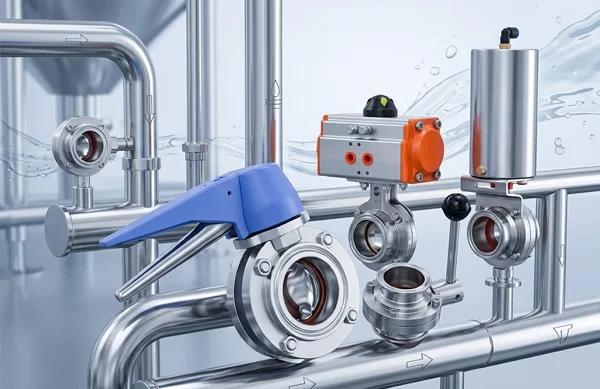
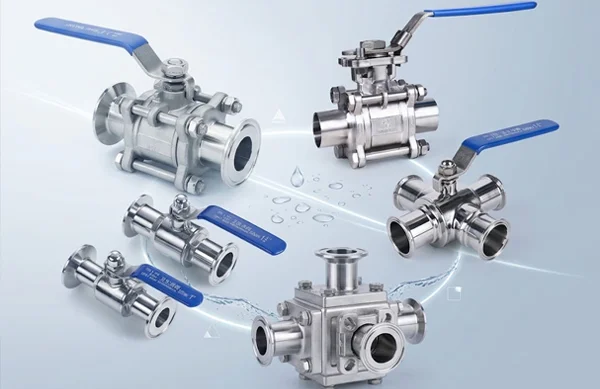
For more information about related sanitary components, explore DINGYUE's Sanitary Gaskets, Sanitary Butterfly Valves, and Sanitary Stainless Steel Pipe Fittings.
A: A Viton Clamp Gasket is used to create a secure seal between sanitary piping components connected by a clamp assembly. It is particularly suitable for compatible applications involving oils, fuels, organic solvents, and various aggressive industrial fluids.
A: Viton gaskets are manufactured from fluorocarbon elastomer, commonly identified as FKM. This synthetic rubber provides excellent resistance to many oils, fuels, chemicals, and elevated-temperature environments.
A: It depends on the chemical being handled. Viton generally performs better with many petroleum-based oils, fuels, and organic solvents, while EPDM is often preferable for water-based systems, weathering resistance, and selected steam and cleaning applications. The actual fluid and operating conditions should determine the final selection.
A: Yes. FKM is recognized for its thermal stability and can operate at elevated temperatures within the limits of its specific compound. However, the actual allowable temperature depends on exposure duration, pressure, chemical media, and gasket design. Buyers should request the manufacturer's technical data.
A: It can be suitable for selected food and pharmaceutical applications when the exact compound meets the relevant regulatory and process requirements. Buyers should verify applicable FDA, USP Class VI, 3-A, or EC 1935/2004 documentation for the specific product. Material compatibility and hygienic design must also be considered.
A: Viton may tolerate certain intermittent steam exposure conditions, but it is not automatically the best choice for continuous high-pressure or superheated steam service. EPDM or specialized PTFE materials may provide better long-term performance in suitable steam applications.
A: Check the piping connection standard, nominal pipe size, ferrule dimensions, gasket inner and outer diameters, and sealing profile. Providing these details to the manufacturer helps ensure that the replacement gasket fits correctly.
A: There is no universal replacement interval. Service life depends on chemical exposure, operating temperature, pressure cycles, compression, cleaning procedures, and installation quality. Regular inspections and replacement based on actual condition are recommended.
A: DINGYUE offers different gasket configurations and can discuss customized molded profiles and application requirements. Buyers should provide the required dimensions, connection type, operating conditions, and material documentation requirements when requesting a quotation.
A Viton Clamp Gasket is an effective sealing solution for industrial applications that demand excellent resistance to oils, fuels, many organic solvents, and elevated temperatures. Its fluorocarbon elastomer composition provides valuable performance advantages in chemical processing, edible oil production, essential oil manufacturing, and selected pharmaceutical and biotechnology applications.
However, achieving dependable sealing performance requires more than choosing the right material. Correct dimensions, chemical compatibility, temperature and pressure evaluation, regulatory documentation, and proper installation all play important roles in the overall reliability of a sanitary piping system.
DINGYUE combines sanitary equipment manufacturing experience with material selection, precision processing, and quality inspection to support customers seeking dependable sealing components. Whether you need standard sanitary clamp gaskets, specialized FKM sealing solutions, or customized gasket configurations, selecting a qualified manufacturer can help improve equipment reliability and reduce long-term operating costs.
Looking for a reliable Viton Clamp Gasket manufacturer for your next industrial project? Contact DINGYUE today to discuss your application requirements, confirm technical specifications, and request a competitive quotation. Our team is ready to help you identify a suitable sealing solution for your sanitary piping system. Visit our Viton Clamp Gasket product page or contact us for professional product information and purchasing support.