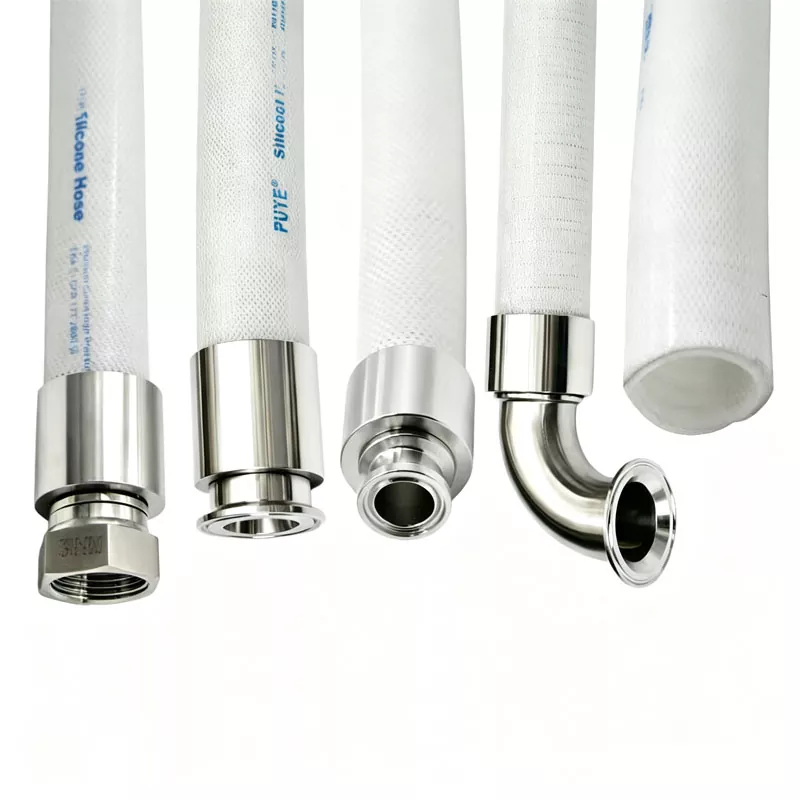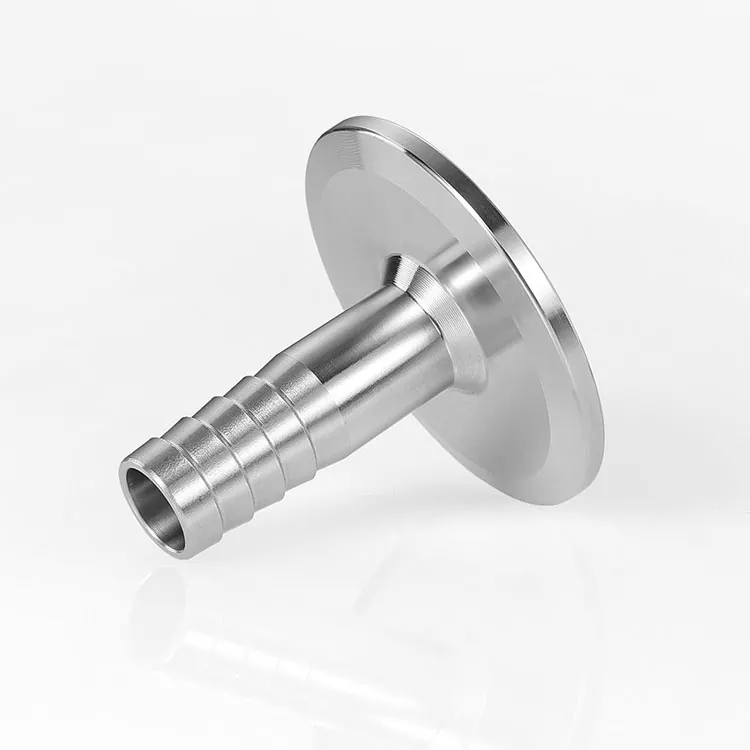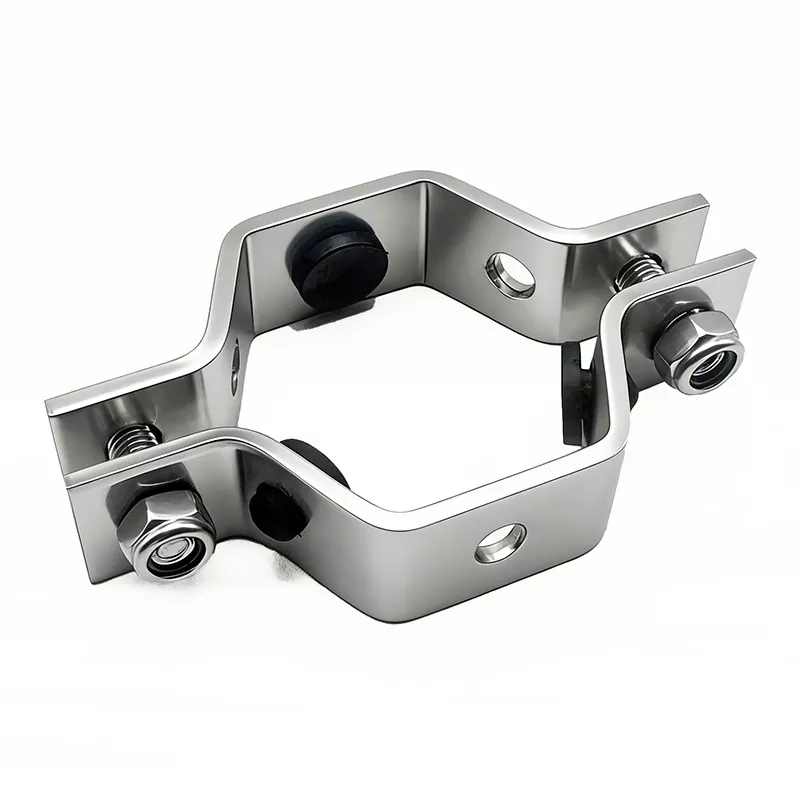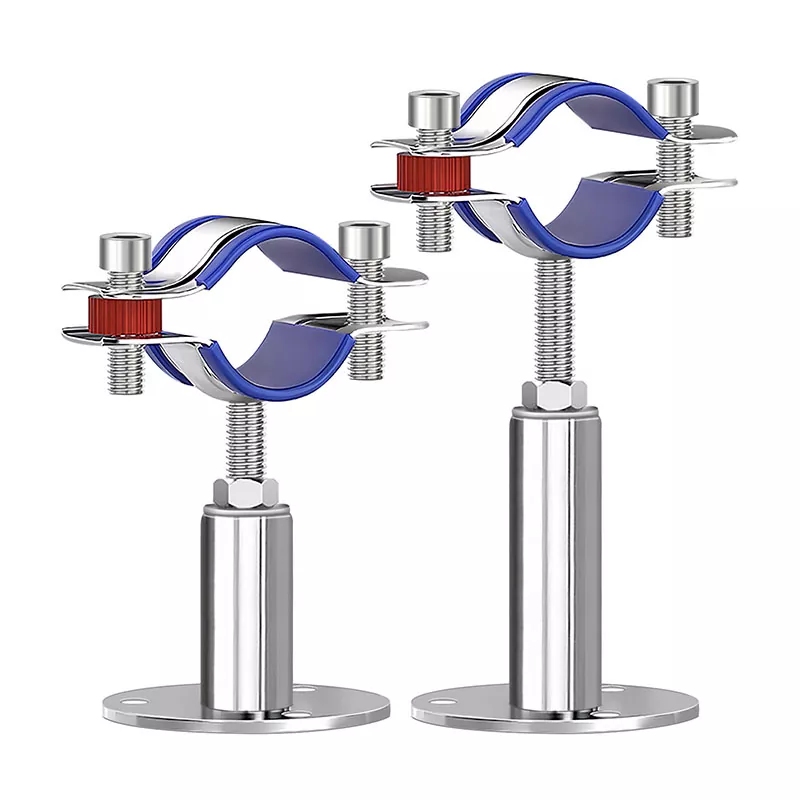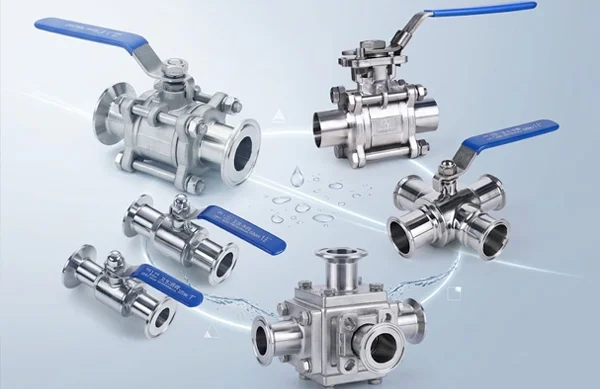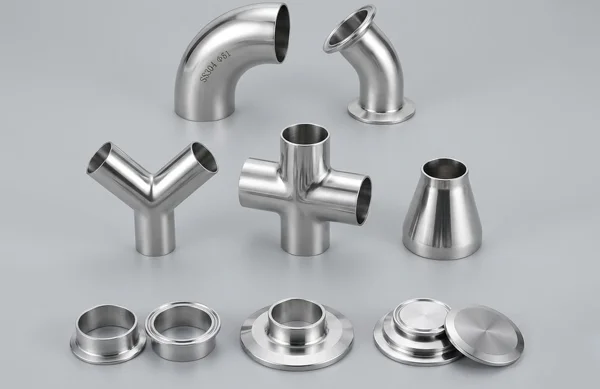
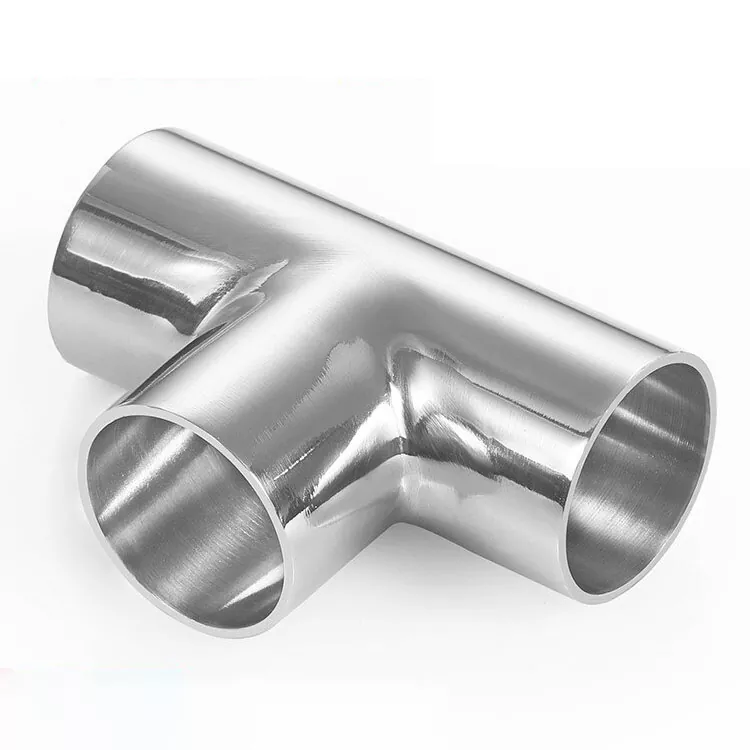
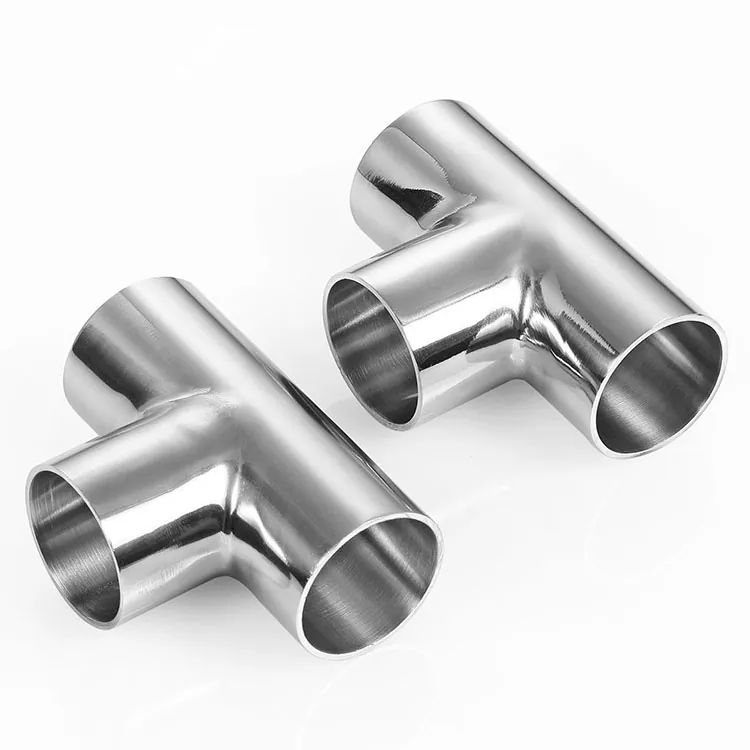
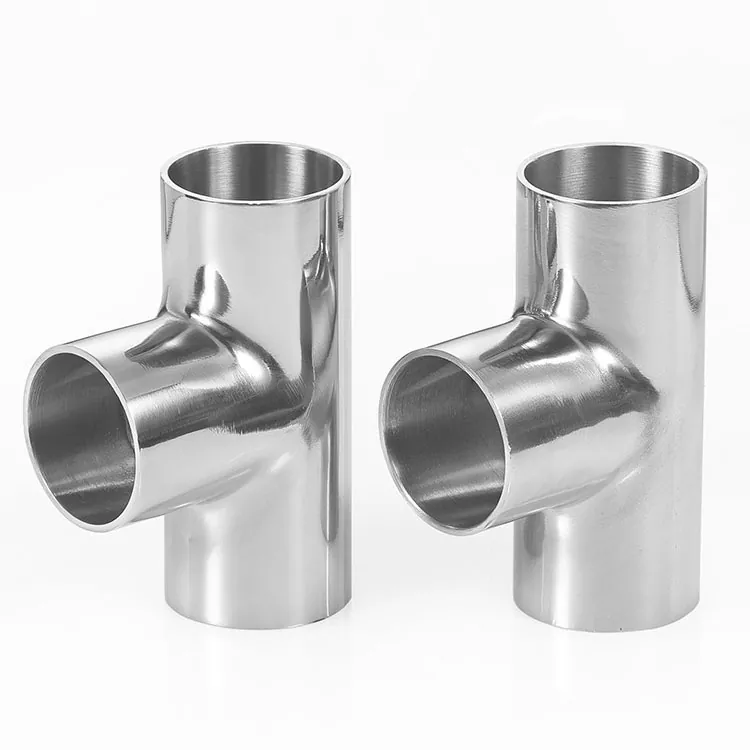
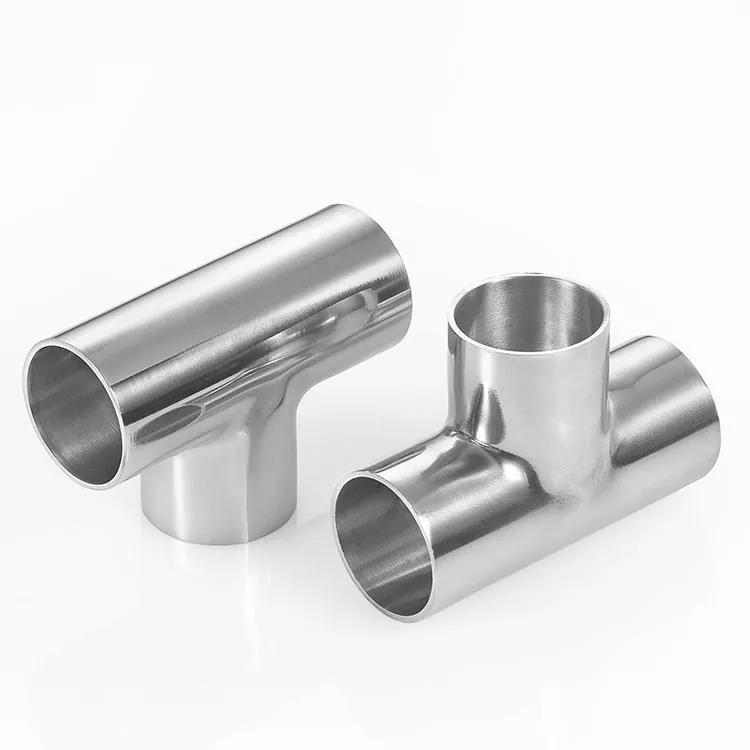
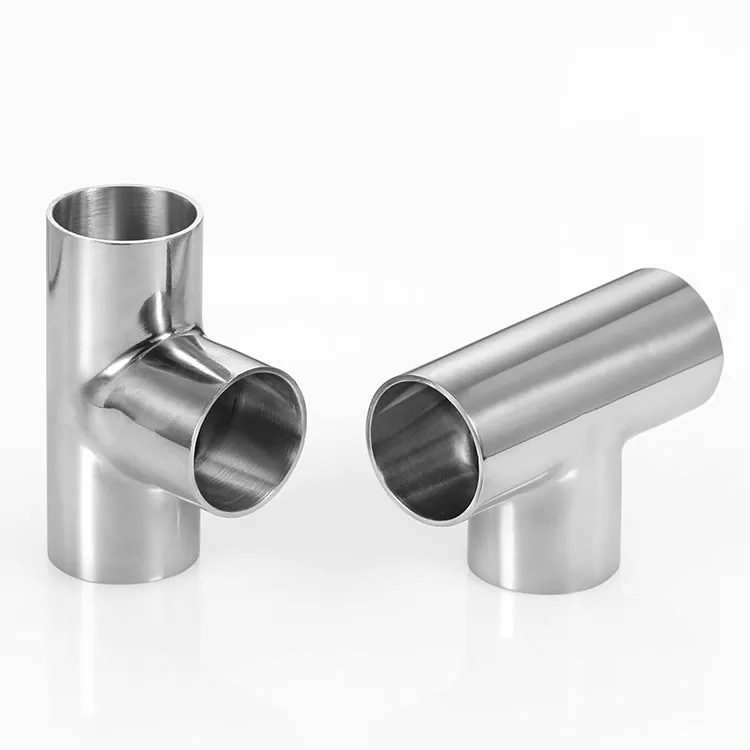
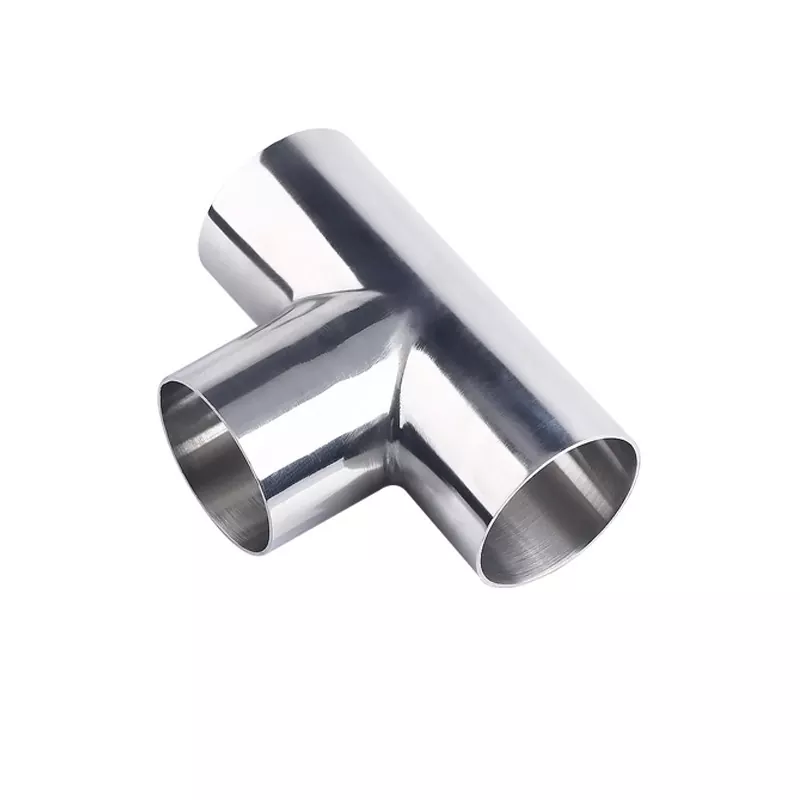
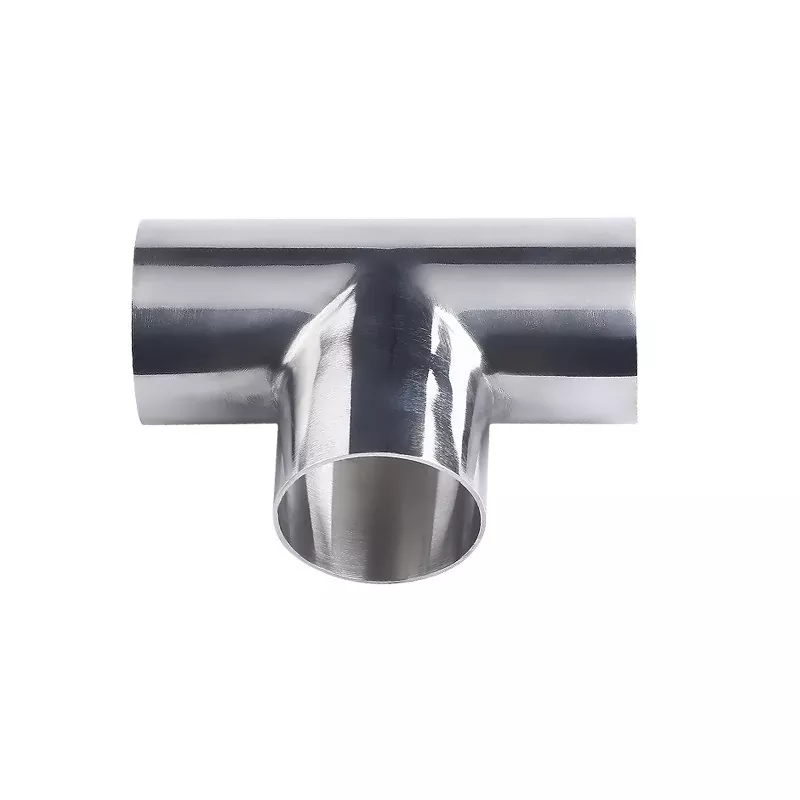
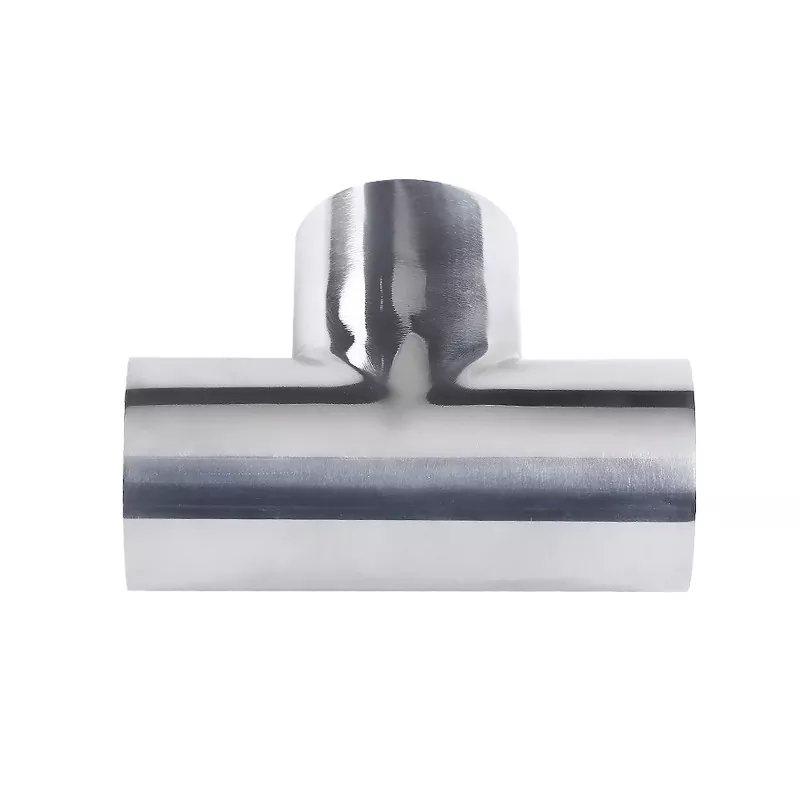
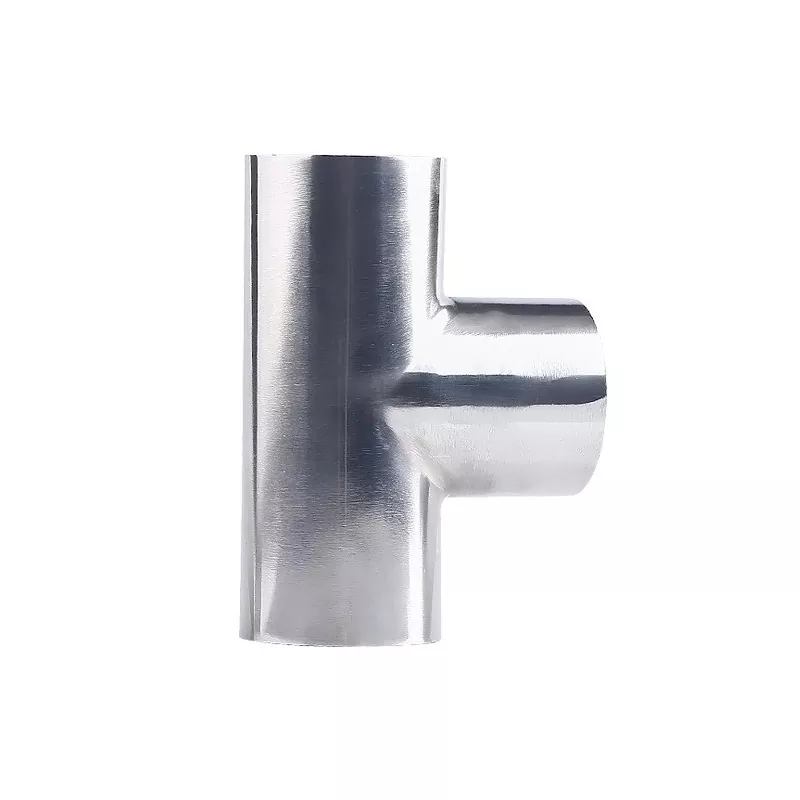
In sanitary piping systems, a reliable branch connection is essential for maintaining stable fluid distribution without affecting the cleanliness of the entire process line. DINGYUE sanitary tees are designed to create smooth three-way connections between pipelines, allowing fluids to be transferred efficiently between different sections of the system.
Made from 304 or 316L stainless steel with hygienic surface finishing, these fittings feature smooth internal walls that help minimize turbulence and reduce areas where product residue may accumulate. They are widely used in food and beverage processing lines, pharmaceutical equipment, bioprocess systems, and liquid cooling infrastructure where consistent pipeline performance and sanitary requirements are important.
|
Specification |
Standard Configuration |
Premium / Custom Option |
|
Material Grade |
SS316L (EN 1.4404) |
ASME BPE Compliant Premium Melts |
|
Size Range |
0.5" to 4.0" (DN15 - DN100) |
6.0" to 12.0" Large Format |
|
Surface Finish (Internal) |
Ra ≤ 0.5 μm (Mechanical Polish) |
Ra ≤ 0.375 μm (SF4 Electropolished) |
|
Connection Types |
Tri-Clamp (Ferrule), Butt-weld |
Threaded, Flanged, Custom Ends |
|
Compliance Standards |
3-A Sanitary, SMS, DIN 11850 |
ASME BPE, ISO 1127 |
If you look at modern AI data centers, supercomputing hubs, and high-density server rooms, you will notice that reducing tees (3-way pipe fittings where the side branch is smaller than the main run) are used everywhere.
For international buyers and project managers, understanding why engineers choose these fittings can help you make better purchasing decisions. Here is a simple, straightforward breakdown of why reducing sanitary tees are a must-have for liquid cooling systems.
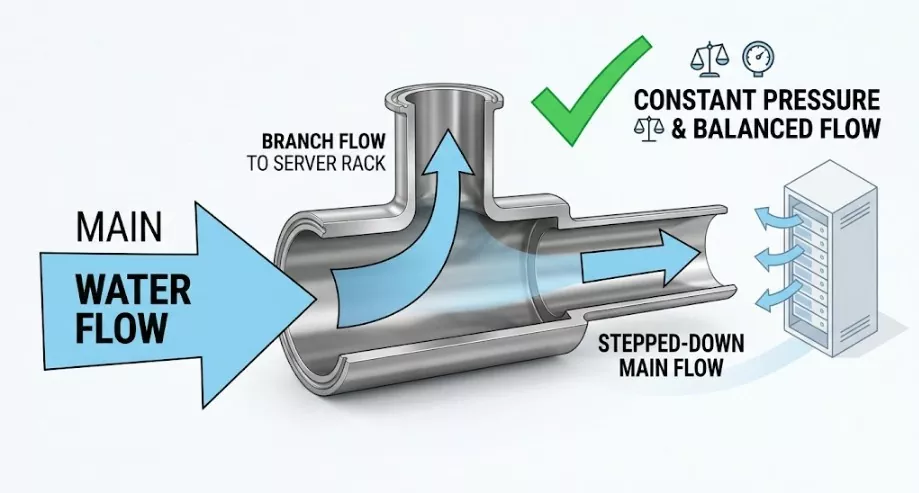
In a liquid cooling network, a main pipe carries cold water into a long row of server racks. The water needs to split off into dozens of individual servers to cool their processors.
The Problem with Regular Tees: If you use the same wide pipe from start to finish, the water pressure drops as the fluid travels down the line. The servers at the front get plenty of cooling water, while the servers at the very end don't get enough. This can cause expensive GPUs or CPUs to overheat and fail.
The Reducing sanitary tees Solution: As water leaves the main line to enter a server branch, the main pipe needs to narrow down to keep the water moving at the right speed. A reducing tee naturally shrinks the line step-by-step. This keeps the water pressure steady across the entire network, ensuring every single server gets the exact same amount of cooling fluid.
Data centers are judged heavily on their energy efficiency. Saving power on water pumps means lower operating costs and a better energy rating.
If engineers use standard equal-sized tees and then force them to fit small pipes by stacking multiple adapters and bushings together, it creates a lot of rough internal bumps and sharp corners inside the piping.
This creates heavy "fluid friction" (turbulence). The water pump has to work twice as hard to push the liquid through, which burns more electricity.
A smooth, single-piece reducing sanitary tees is shaped perfectly like a gentle stream. It lets fluid slide through with almost zero resistance, saving substantial energy costs on water pumps every single month.
Space inside an AI server rack is incredibly limited and expensive. Every inch counts.
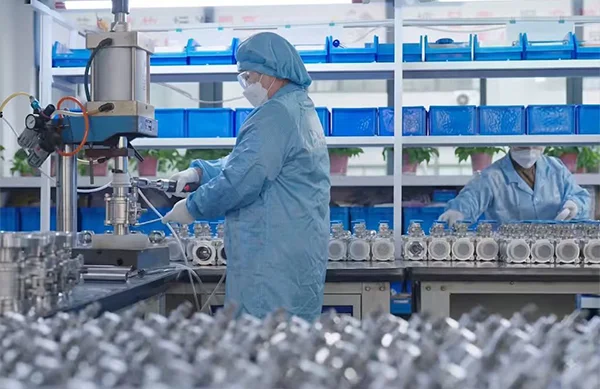
We do not cut corners. Our production lines combine automated forging with strict surface treatment protocols to deliver measurable benefits to your assembly line.
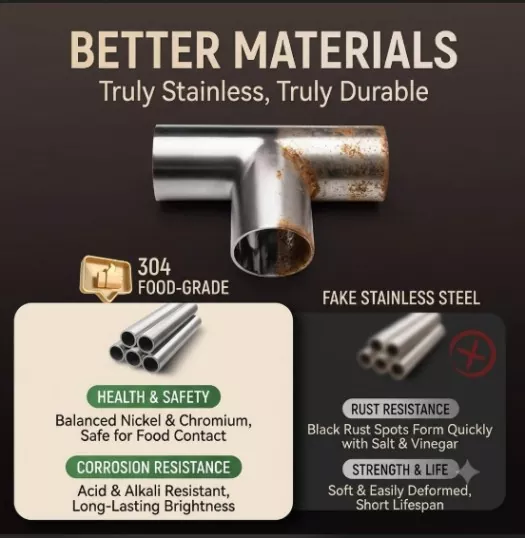
Our sanitary fittings undergo a high-precision full mirror polishing process to ensure the highest standards of safety and performance for your piping systems.
The internal walls are polished to a super-smooth, flawless mirror finish. This eliminates any "dead corners" or rough spots where bacteria, dirt, or residues could hide, ensuring 100% hygienic fluid transfer.

The choice between short and long tees depends primarily on your joining method:
|
Feature |
Short Outlet Tee |
Long/Standard Tee |
|
Space |
Extremely compact; ideal for tight valve manifolds. |
Requires more space between joints. |
|
Welding |
Not suitable for automated welding because the clamp head cannot grip the short neck. |
Essential for welding. The extra length provides space for the welding clamp and prevents heat from damaging nearby gaskets. |
|
Hygienic Pro |
Naturally minimizes dead leg length due to its compact profile. |
Allows for a permanent, crevice-free welded joint. |
An equal tee has all three port connections sharing the exact same diameter. A reducing tee features a smaller branch line diameter compared to the main flow line, which is used extensively to manage pressure differentials or feed fluids into individual equipment racks.
Mechanical polishing uses abrasives that leave microscopic directional scratches. Electropolishing is an electrochemical process that dissolves high points on the metal surface, resulting in a microscopic mirror finish. This eliminates micro-cavities, dramatically reduces fluid friction, and provides superior pitting corrosion resistance.
Yes. Our low-carbon SS316L construction provides outstanding resistance to common CIP chemicals, including hot caustic soda (sodium hydroxide) and nitric/phosphoric acid mixtures, provided the temperature and concentration levels stay within standard industry limits.
If you require specialized step files (.STP), CAD drawings, or an immediate bulk quote for an ongoing project, contact our technical sales desk today. We return technical proposals and pricing layouts within 24 hours.
Address
Building 1, No. 505, Binhai Erdao, Xinghai Subdistrict, Longwan District, Wenzhou City, Zhejiang Province, China.